By Green Dog Pet Supply
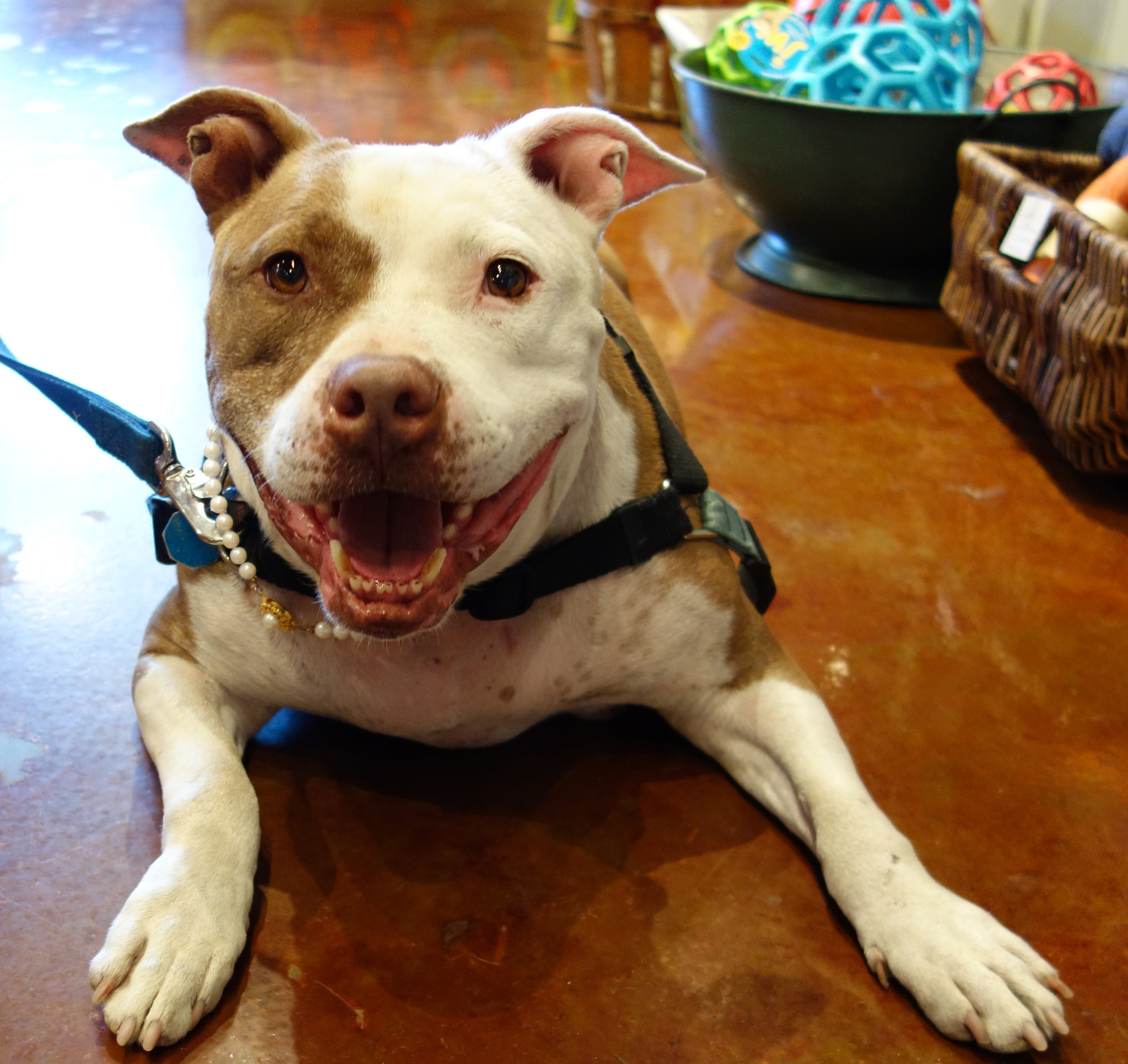
Photo Copyright Green Dog Pet Supply
The 4th of July is a bad time for many pets around the country, but in places like Portland where people seem to be very big fans of the larger illegal fireworks that are so easy to get, it’s often a complete nightmare for people whose pets are terrified of the noise. Some people choose to go camping in remote areas with their dogs, and one customer routinely gets in the car with her dog on the 4th and just drives and drives for hours, around and around the city’s highways to avoid the stress of the night. Here are a few tips that we hope can help if you’re staying at home this 4th of July.
BEFORE JULY 4th:
 – Are your ID tags current? Make SURE that every pet, perhaps even your indoor cats, are wearing their tags – fearful animals can often bolt for the door or out of a gate, and so many pets are lost every year! We sell great tags, guaranteed against wear in tons of styles, but in a pinch, many big box stores have machines where you can get tags engraved on the spot. If nothing else, a piece of duct tape wrapped around a collar and a sharpie will get the job done for the 4th of July.
– If you have a new dog, please don’t make plans to bring them to a fireworks display or party that might have exploding fireworks overhead. The crowds and the very big noise and smells of the explosives can all be very overwhelming to a dog, and could create a fear of fireworks or loud noises where they might not have had one before.
–As people generally start setting off a few fireworks in the days leading up to July 4th, you can use these 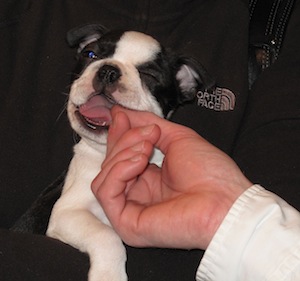 intermittent pops and bangs as opportunities! (You can also use YouTube videos of fireworks on your TV, starting with no volume and working up to louder fireworks noises)
Keep some very high value treats nearby and when you hear a pop, act like that’s a really great opportunity for your dog for fun and treats. Many dogs will start to feel more tolerant of noises if noises predict that good things will come to them. If nothing else, at least don’t act like you’re worried that they will be frightened by the noises or they might pick up on that and be frightened. Best to either ignore the noise or even better, act like you think it’s fun and treat-worthy. Other handy tools are plug-in devices that disperse a calming Pheromone (dog or cat) throughout a room. We also have a variety of calming treats in the store that are certainly helpful to many pets. We’ve had great results with each of them, but each pet responds differently to different formulas – now’s the time to try them to see how they affect your pets. Trying something ahead of time allows you to make sure it has a positive effect, and lets you to have time to return one and try another if it doesn’t help during those pesky “warm-up” days where people start setting fireworks off in the evenings before the 4th.
Our favorites are:
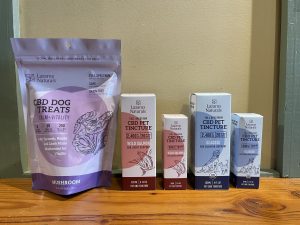
photo by Green Dog Pet Supply
CBD Treats or Tinctures:
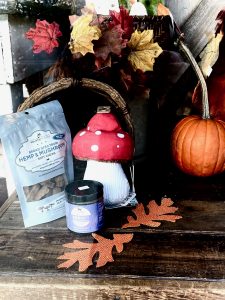
The beauty of CBDs (also referred to as Phytocannabinoid-rich (PCR) hemp oil) is that they’re very safe to try for all pets. Amazingly, all creatures on earth that have a spinal column (including you and all other mammals, birds, reptiles and fish) have Cannibinoid receptors in our bodies, suggesting that they play a crucial role in the functioning of all life. Our bodies manufacture the substances that bind to these receptors, helping to modulate many functions, such as inflammatory response, mood, neurological responses and immunity. Providing these substances can enhance these functions, often making a big difference for our pets with pain, inflammation, seizures, nausea, and other issues, most notably promoting calmness for anxious animals. Here’s a link from one of the companies that we carry that describes the endocannibinoid system and the benefits of CBDs. CBD’s are not Marijuana – they are derived from hemp and are not overly sedating nor are they psychoactive, meaning nothing about this will make your pet high! We carry several highly effective brands of CBDs: Green Element, Lazarus Naturals, Social, and Canna-pet .We carry CBDs for pets that come in treat form as well as tinctures. Cannapet comes in handy cookie versions (a good choice for CBDs if you think you’ll only use them occasionally). Lazarus Naturals CBD come in both tincture and treat versions (pictured above). One of their soft chew treats also contains medicinal mushrooms, helpful for immunity, allergies, and cancer. Green
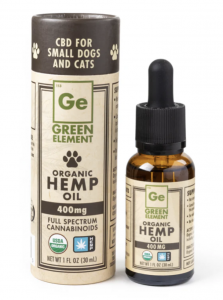
photo courtesy of Green Element
Element tinctures might be the best for cats and extraordinarily picky dogs as it has a tincture that is nearly tasteless making it easy to hide in foods and the dosing is a small amount. When we give Walter kitty CBDs, we put drops of the Green Element on his favorite freeze dried treats, as it easily soaks into them and still tastes delicious. Green Element also has delicious freeze dried treats in liver or cheese flavors that already have the CBDs in them!
Your best values are found in the amazing tinctures from Green Element and Lazarus Naturals, as these companies are dedicated to making a very high quality products that can be sold for very reasonable prices.
Don’t forget CBDs for vet visits, car rides, and for older pets with pain or anxiousness due to age related cognition changes that might cause panting and trouble sleeping.
Calming Treats Containing Valerian, Combined With Other Calming Substances:
Valerian is very effective for many pets as is it physically relaxing, and we’ve had great success with the formulas we carry. People often use valerian as a natural sleep aid. As we mentioned above, you should experiment with these formulas ahead of time. It’s very rare, but some calming herbs like valerian can occasionally have the opposite effect and make them more restless (this can occur with the occasional human taking it as well). It’s an amazingly effective ingredient for almost all pets, but you don’t want to find out you own that very rare pet when fireworks are exploding outside your windows! One should follow dosing instructions for valerian products, but CBDs can be safely added to these herbal remedies for more difficult cases of anxiety and noise phobia.
Valerian Calming Products:
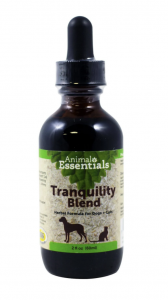
photo courtesy of Animal Essentials
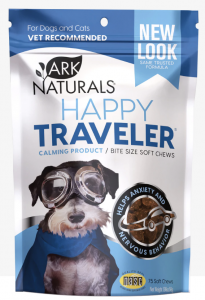
photo courtesy of Ark Naturals
Happy Traveler by Ark Naturals: Combines Valerian with L-Trytophan, Camomile and St. John’s Wort and comes in soft chews and capsules for dogs. We’ve had great success with this formula over the years, and they’re handy for car rides and vet visits.
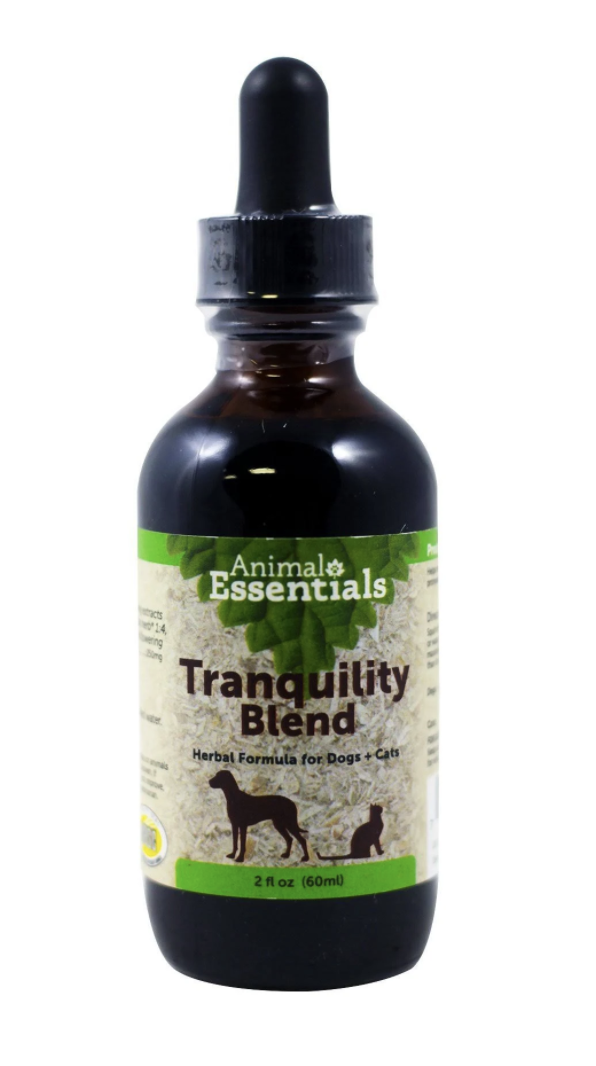
Tranquility Blend by Animal Essentials: Combines Valerian with skullcap herb (helps with nervous jitteriness), passionflower (helps with emotional upset) and oat flowering tops (helps to balance other calming herbs). It’s an alcohol-free, sweet tasting glycerin herbal tincture designed to safely calm animals during acute episodes of anxiety without diminishing alertness. For dogs and cats.
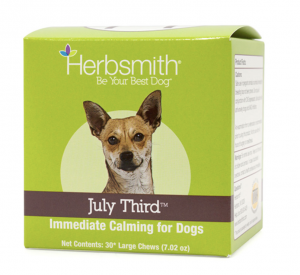
photo courtesy of Herbsmith
July 3rd by Herbsmith: Valerian is combined with Chamomile, Tryptophan, Passion Flower, Thiamine Monohydrate, and Magnesium (read more about these in the link). It comes in a soft chew for dogs, and comes in convenient smaller packages for those that are only using them for the holiday.
Other Calming Products:
Calming Chews by Pet Naturals, these are very useful calming supplement chews designed to support relaxation especially during times of increased stress, and are non sedating. They use L-Theanine, an amino acid that’s found in green tea, which induces calming, tranquilizing effects while simultaneously
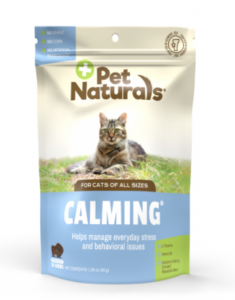
photo courtesy Pet Naturals
improving alertness. (L-theanine is great for people too, available at New Seasons or your local health food store.) Pet naturals combines L-theanine with Thiamine (vitamin B1) and Colostrum Calming Complex. These tasty chews are often accepted by cats and picky dogs, and have been remarkably effective for many animals. Can be added to other types of calming products if necessary, and is useful for those few pets that aren’t relaxed by valerian.
Sometimes You Need a “Cocktail”:
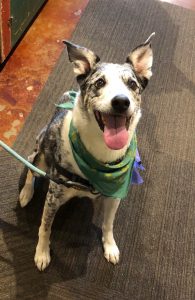
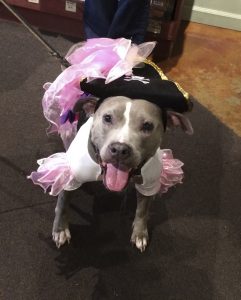
Very frightened dogs may do well with a multi-pronged approach; one of our managers used a combination of Cannapet cookies, Tranquility blend tincture and a Thundershirt (see below), with a healthy dose of exercise in the afternoon for Dundee (the dog in the photo at the top of the page who really had a hard time with the fireworks) and he finally could make it through the night with minimal stress! Try one product at a time before adding another, to see how they’re working.
*******NOTE*****: do NOT use the sedative Acepromazine for noise phobias as it can heightens noise sensitivity! See this video for more information.
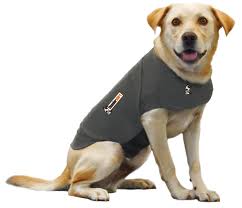
– Thundershirts can be a very useful tool. These snug wraps can really help to calm and reassure dogs in stressful situations, like swaddling a baby. Click here for a blog post about the Thundershirt, how it works, with a few great testimonials.
On July 4th day:
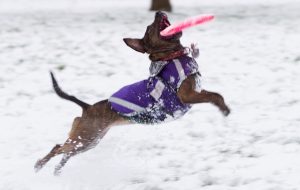
- Make sure to get all of your pets lots of exercise (don’t forget to play with the kitties).
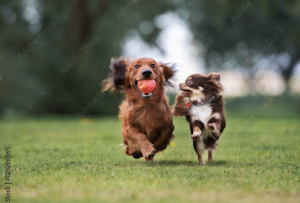
photo licensed from Adobe Stock
Getting them tired will help them not to be so amped-up over noises. Burn off that nervous energy!
- Keep them inside on the 4th – don’t leave them outside as they can panic and run off, or be injured accidentally or purposely (especially cats) by people playing with fireworks.
- Offer dogs something new and exciting to lick or chew on that night – chewing
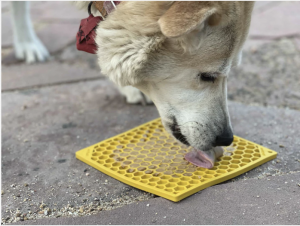
Photo courtesy of Soda Pup
often helps dogs deal with stress and gives them something to distract them from the strange noises. Other wonderful tools are various forms of Licky Mats, textured rubber mats that you can smear soft things on (peanut butter, applesauce, yogurt, canned dog food, etc) and they can lick it off. Licking can be very soothing for dogs.
– Close the blinds and do what you can to minimize the intensity of the stimulus. Turning on some white noise or music, a movie on the TV, or even the clothes dryer or a dishwasher that they’re already used to hearing all the time can be helpful to drown out the fireworks noise. (Be careful about the stereo and TV that they’re not broadcasting fireworks noises themselves!) There are even recordings out there that are designed to calm dogs, such as “Through A Dogs Ear” CD’s for soothing any animal – available on iTunes. Let us know if you try them and whether it makes a difference.
– Consider staying home that night – your presence does a lot to calm and comfort your pet. It’s OK to  hold your pet if she needs comfort, as long as you are very calm and happy as well. A few of our customers have told us that they’re already feeling anxious about the 4th – your pets will pick up on that! Make sure you do things to calm yourself like exercising that afternoon, drinking chamomile tea that evening, or taking some CBDs or Rescue Remedy yourselves. Be positive!
If you’re having a barbecue, be careful of allowing pets to interact with matches, tiki torch oil, lighter fluid, charcoal, sparklers and insect coils, or you may face a trip to the emergency clinic. Make sure they’re not able to get into the garbage/compost and gorge on meat scraps or corncobs, etc. Keep glow sticks away from dogs – they may want to chew them. Don’t let them interact with the BBQ grill after it’s used – a major cause of summertime pancreatitis is when dogs get into the grease trap.
– If you must go out that night please make sure your pets are in a secure location without access to the outdoors.
– Check your yard the next day for used fireworks before letting your pets outside. They may contain toxins like arsenic and potassium nitrate that can make your pet sick if consumed. (watch out for these on walks the next day too).
Here’s wishing you a fun and safe Fourth of July!





 You may know that cod liver oil has been used for centuries to relieve joint pain and to treat rickets, a disease that causes fragile bones in children, but it actually has a myriad of other benefits.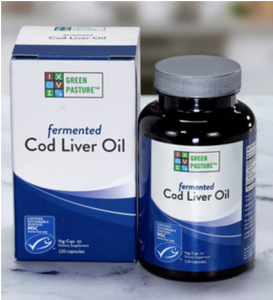

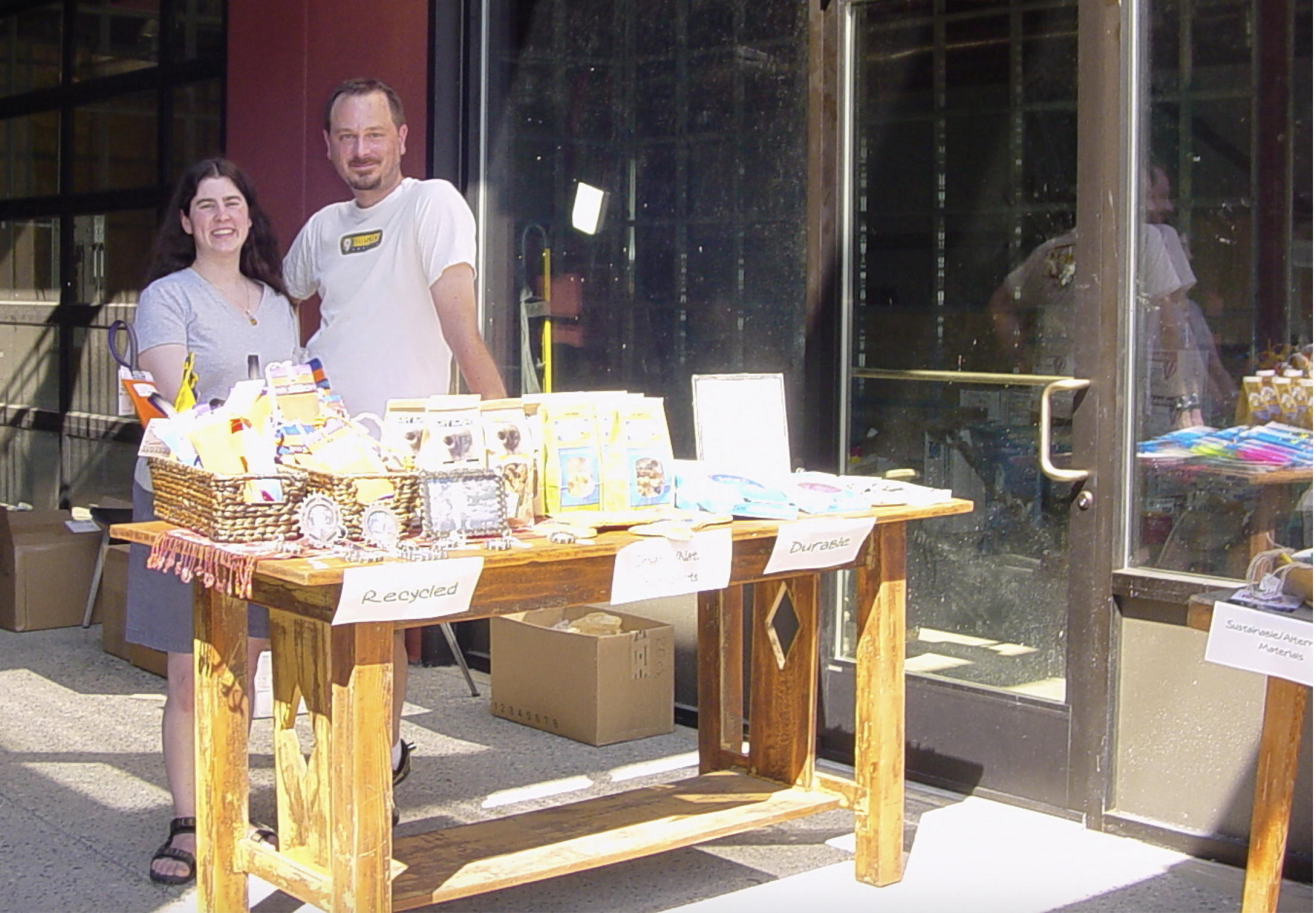
 We do want to tell you about a potentially valuable resource we’d like to share with you. We’ve donated our booth to Force Free Oregon,”A safe, reliable place for Oregon communities to find credentialed animal care professionals who use scientifically-proven force-free training, behavior modification, and animal handling techniques”. Trainers will be staffing the booth, including the amazing Lorena Jasis-Wallace, a trainer at Synergy Behavior Solutions, a veterinary behavior practice and training facility in NW Portland. They specialize in reactivity, aggression, phobias, anxieties, and other behavior issues. Another trainer, Hayley Martinez, owner and trainer of Nakama Dog Training will also be there. She works with puppies, newly adopted dogs, adult dogs in need of basic manners, as well as some reactivity and shy dog cases. There may even be other Force Free member trainers that spend some time in the booth.