
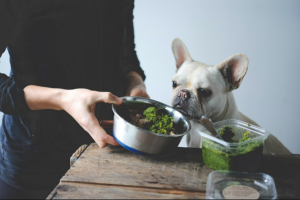
Whole Food Toppers are Important

Screen Shot 2016-12-07 at 11.04.27 AM(updated 9/18)

We try to carry the best dry foods on the market, but it’s important to realize that even the best ones are still heavily processed food. Some ingredients are put through multiple layers of processing, and the whole batch is baked or most often extruded, which is a high heat, high pressure process that can damage nutrients, enzymes, and valuable amino acids that have important jobs to do in the body.

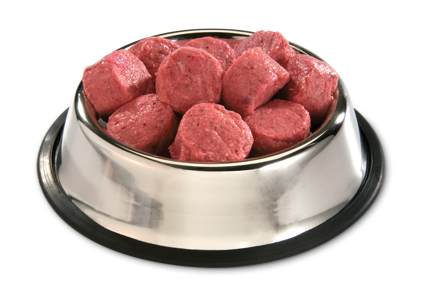
Most pet owners find one kibble that works and just stick with it, but this really limits the number of nutrients available to your pet. Some pet food companies say you should never ever  switch your dog’s food, but that doesn’t make much sense (they just don’t want you to feed someone else’s food!). Why should you sometimes switch your pet’s food? No matter what, even the best brands of kibble are highly processed foods that lack whole food nutrients and enzymes that can help their bodies thrive. Topping off their kibble diets with a little whole food can make a huge difference for their health! Even the nicest raw food diets can be lacking nutrient diversity – no matter how thoughtful and knowledgeable we are, we couldn’t make a single meal for ourselves that we could eat every single day of our lives and not have a deficiency or excess of something for our individual nutritional needs. We can certainly say the same for our pets! Variety over time creates nutritional balance. Adding whole food toppers are a great way to help to round out their meals, especially if you rotate through different ones!   Just like for people, a diet for pets made entirely of processed foods with no fresh whole food nutrients is a recipe for chronic illness. With the rapid rise in chronic illnesses like cancer, we should (in our opinion) be doing everything we can to boost the diets of our precious, short lived pets to try to take advantage of whole food nutrients. But what to give?

(more…)

Safety First – A Reminder When it Comes to Pet Food

We really try very hard to carry products that we trust from companies who have rigorous safety protocols for their manufacturing facilities and who source good ingredients. These pet food companies are pretty big companies though, providing a lot of product nationally to a great number of pets. Problems are fairly uncommon, though they are still possible. Remember, we can’t report problems to the company unless we have the date codes and lot numbers. If your pet’s food seems to have changed, or your pet suddenly doesn’t want to eat something they usually like, or you open a new bag and your pets suddenly start having issues, here are 4 things you should do:

(more…)

Cat Nutrition

IMG_5020_2By Green Dog Pet Supply

Nutrition can be the key to keeping your kitty healthy, avoiding chronic illness and ultimately saving lots of money at the vet. We might be called Green Dog, but the owners and staff of Green Dog are actually made up of some pretty serious cat people. We know there’s a lot of info in here, but after 10 years of serving the cat community of Portland, our hearts are often heavy from the overwhelming numbers of cats with chronic illness, much of which we feel could have been prevented with better nutrition. Whether you’ve gotten a kitten or an adult cat, we hope that these tips will come in handy for you:

(more…)

Tips for New Puppy Owners

10329266_10152016183111761_227844732552835172_n

By Green Dog Pet Supply

(This was written as a handout for customers, and we thought it might be useful to others as a blog post. If you share it, please give credit to Green Dog Pet Supply. Thank you)

Congratulations on your new puppy!DSC01291

What a fun time you’ll have! We very much want your new baby to live a long, healthy, happy life, so we thought we’d compile some of the nitty-gritty dos-and-don’ts of puppy care. We want to be a resource for you as you take this journey, so please don’t hesitate to ask questions if you have them, and if you live nearby feel free to visit often just to say hi, get treats and love from our staff, and to socialize your puppy – we love to see you!
Here are a few tips that we hope will come in handy for you:


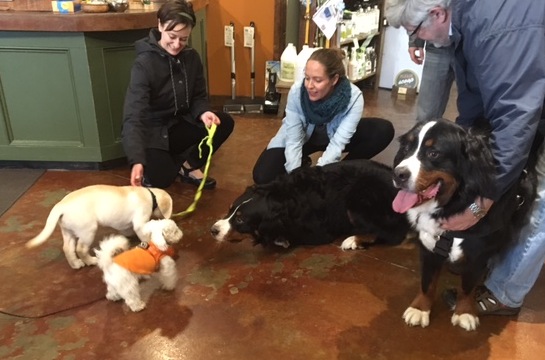
it's very nice when big dogs get low to meet puppies. Hold the adult dog in one place on a leash and allow the puppy to approach and retreat as they gain confidence.

It’s very nice when big dogs get low to meet puppies. Hold the adult dog in one place on a leash and allow the puppy to approach and retreat as they gain confidence.

Socialization is of utmost importance. Though we realize that it’s important to keep your puppy physically healthy, there are definitely also big behavioral risks to keeping your puppy away from the world for too long. Puppies only have about a 4 month window of opportunity for their primary socialization to occur. Beyond that, it becomes harder to convince them that the world is a fun and inviting place. One of the primary reasons that dogs are given up to shelters is for difficult behavioral issues. Fear aggression towards strangers, reactivity around other dogs, and trouble relating to children are issues that may be prevented with better socialization early in life. Well socialized dogs are a pleasure to bring out into the world and lead calmer, less fearful lives. If you’ve adopted an older puppy and they’re a little nervous about the world, don’t worry – significant strides can be made with positive reinforcement training! Your major goal with all new dogs is to try and create as many positive experiences with new things (or with things they already find worrisome) as you can, and to not push them into anything they don’t feel comfortable with. Be their cheerleaders and they’ll gain confidence.
We strongly recommend a puppy class, whether this is your first or your 10th puppy. Classes are a wonderful way to expose this new puppy to the many other shapes and sizes of dogs, and give them early positive playtime experiences with other dogs under the watchful eye of a trainer in a clean environment. If you do a class together as a family, everyone in the household gets to hear the same instructions (which is great for preserving family harmony) and everyone can work together as a team to work on new behaviors (great for kids to have a mission). Best of all, you have access to the same trainer for the duration of the class – a great resource for the little problems that can pop up. A class also gives you the unique opportunity to work on behaviors in a distracting environment (if they can practice focusing on you with puppies and people all around them, they can learn to do it anywhere!) Most puppy classes allow a puppy to enter class by about 10 weeks of age as long as they are current with their vaccinations for their age, and we say the sooner the better. It’s far easier to prevent problems than to try to fix them later, and it’s often a big help to have the advice of a trainer in the early weeks where patterns of behavior in the home are being established. Ask us for referrals to great classes in our area. There are also a few places in town that have socialization play groups just for puppies!

(more…)

Claiming Raw Foods are Dangerous Isn’t Backed Up With Data

Screen Shot 2013-11-15 at 2.27.36 PM

By Green Dog Pet Supply

The FDA and the AVMA seem to have mounted a significant campaign against raw foods for pets, and we’d like to speak to that, as sometimes their information seems strangely skewed.

Last August (2012), the AVMA issued a statement warning against the safety of feeding raw food due to the risk of salmonella. The biggest problem we have with this is that this implies that there are no risks of salmonella exposure with other pet foods like kibbles. In fact a remarkable number of kibbles, chews and treats for dogs have been recalled for salmonella contamination.

Most concern about salmonella contamination is for the health of the humans involved, as humans are more susceptible to illness from handling salmonella contaminated food than the pets who eat them. What is never acknowledged is that to date, the Centers for Disease Control and Prevention have no confirmed cases of human illness linked to raw pet foods. In stark contrast to this, the same year that the AVMA issued this warning, one of the largest salmonella recalls for kibble occurred in Gaston SC at the Diamond Manufacturing facility, shutting down the production of at least 15 brands of pet food, and resulting in 49 confirmed human cases of Salmonella Infantis linked to kibble pet food manufactured at Diamond’s facility. At least 10 of these people were hospitalized, though reporting is poor for this, so it may have been more.

The Centers for Disease Control and Prevention reported in the journal Pediatrics that an outbreak of salmonella in 79 people between 2006 and 2008 was caused by contaminated dry pet food. The infections, half of which struck children, were the first known human salmonella cases linked to dry dog and cat food (from Mars Pet Care)

(more…)

Carageenan and Our Quest to Change the World One Ingredient at a Time

carrageenan

By Green Dog Pet Supply

At Green Dog, we have some rules about what food we do and don’t carry. However, sometimes there are ingredients that we learn about along the way, and when we do more research, the time comes to evaluate whether we want to keep the products that contain it. We never want to take away a popular item, but we want every food we carry to promote the health of the animals that eat it, not to undermine it. Some stores might just drop a line of products that they don’t care for, but it’s always been our policy to try hard to present the case to the company that makes the product first, to see if they might be willing to consider our request to remove the ingredient in question.Dropping the line protects our customers, but convincing a company to change the ingredient helps to protect all pets that might be feeding it nationwide, and allows us to keep a food item in stock for our customers.

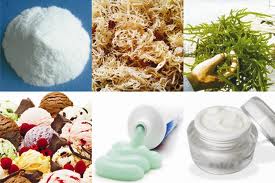
Carrageenan (a thickener made from red seaweed that is used in many canned pet foods and in some moist and chewy treats) is one of those ingredients. It’s an ingredient that might or might not cause obvious problems for animals right away, but it could have negative effects over time, especially if the animal is eating it every meal of every day. It’s also in a lot of human foods, so if you or someone you know has chronic GI problems, read on. Unfortunately, carrageenan is in several brands we carry, including in one of our most popular brands of canned cat foods. (Note: we did remove all foods containing carrageenan from our shelves shortly after this article was written).  Cats are tricky sometimes, and they want what they want – we’d rather keep the brand for them if we can. When we ask companies that use this thickener about it, they always respond that the carrageenan that they use is “food grade” which is safe, as opposed to “degraded” carrageenan which is not. However, we had read other opinions about that, and some interesting research studies to back them up. So, at the end of May we wrote to the 3 companies that we carry that use it, and to one company that we don’t carry yet, but were considering. Here’s the general letter, which we adapted to each company. This letter contains the disturbing things we found in our research into whether or not carrageenan can be dangerous or detrimental to those that consume it regularly.  Note: this particular company makes an organic line of pet food:

Hello – I’m writing today to ask about the use of carrageenan in your organic canned foods. Though I realize that the carrageenan used is “food grade” and not “degraded”, there are quite a few people advocating for a closer look into whether food grade carrageenan is in fact causing similar worrisome health effects to degraded carrageenan and whether it should indeed be used in human and animal foods at all.

(more…)

A Discussion of Sustainable Choices in Foods for Pets


By Green Dog Pet Supply

As a Green store, we of course are dedicated to sustainability, but that can be a real challenge with pet food.
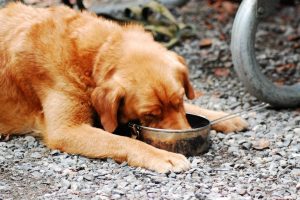
The larger a company is, the more difficult and expensive it is for them to source the most sustainable ingredients on a large enough scale to meet national demand. One might expect that we would source only Organic foods, but this is more of a challenge than you might expect – many pet foods that are certified organic are not, in our opinion, necessarily suitable nutritionally for carnivores; organic meats are expensive, and often a very large percentage of the protein is derived from less expensive organic grains. (more…)

Your Bag of Kibble Might Have Pretty Pictures, But Do You Know What’s Inside?

By Green Dog Pet Supply

We all love our pets as members of our families and want to do the very best we can to keep them healthy and happy, but many of us overlook the very foundation of health for our pets – their nutrition. Just as our own health is affected by our daily nutrition habits, dogs and cats can develop chronic health issues like diabetes, skin allergies, inflammation issues such as arthritis, yeast overgrowth, bowel issues, urinary infections or crystals, and even cancer. We often don’t realize that chronic issues are developing at a cellular level, and of course many pets seem “fine” until a crisis occurs. Of course, the very best way to support our own health and the health of our companion animals is for all of us to eat more whole foods and cut out processed foods as much as we can.

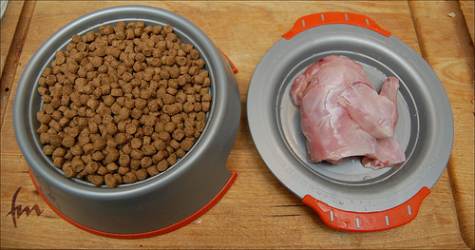
However, processed kibbles have come quite a long way in the past 10 years, and there is a great disparity between what you might find on the pet aisle of your local grocery store and what might be available at your local independent pet retailer. It is not legally required (it is actually prohibited) for manufacturers to use language on a pet food label that would help a consumer to know if the quality of the ingredients on a label are similar to the ingredients you might use to cook your own dinners or are simply waste products that were inappropriate for use in human foods, though there are some things to look out for on kibble labels that will give you a good idea. I hope to empower you to recognize some of these “red flag” and “green flag” ingredients that might help you to determine the quality of the ingredients in any dry kibble you’re feeding to your pets.
(more…)

Saying No to Poor Quality Pet Food… Even When It’s Recommended by Your Vet

By Dr. Becker

Recently the American Animal Hospital Association (AAHA) added a fifth ‘vital health assessment’ for veterinarians in determining the health status of their cat and dog patients.

The four existing assessments are: temperature, cardio function, respiratory health, and pain.

The new “5th Vital Assessment”1 is nutrition.

Per Michael Cavanaugh, DVM, and executor director of the AAHA:

“Incorporating nutritional assessment into the routine examination protocol for every patient is important for maintaining optimal health, as well as their response to disease and injury.

The goal of the new guidelines is to provide a framework for the veterinary practice team to help make nutritional assessments and recommendations for their patients.”

Integrative and holistically-oriented vets have always done nutritional assessments on our patients.

In fact, I view species-appropriate nutrition as the first and most influential of the three pillars of health – the other two pillars being a sound, resilient body and a balanced, functional immune system.

And while I applaud the traditional veterinary community’s addition of a nutritional assessment in determining the well-being of dogs and cats, I’m a little concerned with where this initiative could be headed.

Here is how the AAHA introduced their new “5th Vital Assessment” initiative in October 20102:

DENVER — Nutrition is integral to optimal pet care. However, the American Animal Hospital Association (AAHA) found through its Compliance Study that only seven percent of pets that could benefit from a therapeutic food were actually on such a regimen.

The compliance discrepancy along with the many factors considered in assessing the nutritional needs of a healthy dog or cat, as well as the pet with one or more medical conditions, led to the development the AAHA Nutritional Assessment Guidelines.

The phrase ‘therapeutic food’ gives me pause, especially when I see that a major manufacturer of ‘therapeutic’ pet food has provided an educational grant to print the AAHA Nutritional Assessment Guidelines for Dogs and Cats3 in several languages.

Coming Soon to a Veterinarian Near You …

… a big push to switch your pet to a ‘therapeutic’ dog or cat food.

My discomfort with the therapeutic food angle grew when I came across a PetfoodIndustry.com article in January of this year.

According to the article, the same pet food manufacturer who provided an educational grant to the AAHA “… will make regular visits to more than 22,000 veterinary hospitals and clinics to help build support for and implement nutritional recommendations as the ‘5th Vital Assessment’ in pet healthcare.”

To accomplish this the pet food company plans, among other things, to add sales staff to call more frequently on vet offices across the country in order to sell more therapeutic pet foods.

Then I came across another PetfoodIndustry.com news item, also from January, announcing that a pet health insurance provider is adding coverage for therapeutic pet food.

According to the article, “… coverage now includes half the cost of therapeutic pet foods purchased through a veterinarian to assist in care of a pet for two months.”

‘Therapeutic’ Pet Food Ingredients Revealed

The following is a list of the first five ingredients in some of the therapeutic pet foods you may hear a sales pitch for the next time you take your pet to the vet for a wellness exam.

A can of cat food marketed as capable of improving feline bladder health:

  • Pork By-Products
  • Water
  • Pork Liver
  • Chicken
  • Rice

A bag of kibble advertised as good for feline gastrointestinal health:

  • Chicken By-Product Meal
  • Brewers Rice
  • Corn Gluten Meal
  • Whole Grain Corn
  • Pork Fat

A can of dog food to improve cardiac health in senior dogs:

  • Water
  • Corn Flour
  • Pork Liver
  • Rice Flour
  • Beef By-Products

Dry dog food marketed for canine renal health:

  • Brewers Rice
  • Pork Fat
  • Dried Egg Product
  • Flaxseed
  • Corn Gluten Meal

Regular readers here will immediately recognize the remarkably inferior, species inappropriate ingredients in these pet foods.

For the uninitiated:

  • By-products are what are left after all the good stuff is harvested for the human food industry. Beaks, feet, feathers, wattles and combs are chicken by-products. There could be something beneficial thrown in, like the heart or gizzard, but because there’s such potential for undesirable pieces and parts in ‘by-products,’ it’s better to avoid them altogether.
  • Corn in any form (including corn gluten meal, whole grain corn, corn flour, etc.) is an extremely allergenic food and difficult to digest. It’s also one of the three crops most highly contaminated with aflatoxins.
  • Brewers rice is a low quality ingredient that also happens to be a by-product. In addition, it’s a grain. Grains are not species-appropriate nutrition for carnivores.

Read here for the secret to cracking the code on your dog’s (or cat’s) pet food label.

Just Say No to ‘Therapeutic’ Pet Foods

Unfortunately, veterinary students don’t learn much about nutrition in their coursework. They graduate, go into practice, and become easy targets for pet food companies eager to fill their reception areas and storage closets with inferior quality ‘prescription’ diets for dogs and cats.

Now that the AAHA has added nutrition as the 5th vital assessment of a pet’s health, I think many pet owners will be hearing more about diets during vet visits. I also suspect many of these conversations will end with a recommendation to buy a ‘prescription’ (therapeutic) pet food to take home with you.

I absolutely do not recommend the extremely low quality, species-inappropriate pet food formulas being sold through vet practices as ‘therapeutic.’

I encourage my Natural Pet clients and all of you reading here to learn everything you can about the vital importance of biologically appropriate, high quality nutrition to the health and longevity of your pet.

I believe the more informed pet parents are about the type of food dogs and cats need to thrive, the less vulnerable they’ll be to a sales pitch for low quality pet food – even when it’s recommended by a veterinarian.


References:


Why Dry Food is Not the Best Food for Your Cat

raw-and-kibble-cat-food


Here’s another great article by Holistic Veterinarian, Dr. Karen Becker:

By Dr. Becker

More evidence has emerged linking dry food diets and feline lower urinary tract disease (FLUTD).

A study was conducted at The Hebrew University of Jerusalem’s Koret School of Veterinary Medicine to evaluate urethral obstruction (UO), which is an extremely common, life-threatening condition in cats.

The urethra is a small tube through which urine flows from your cat’s bladder to the outside of the body.

Urethral obstructions are usually mineral crystals or stones, or plugs of inflammatory material that form in the kidneys (a process known as urolithiasis), pass down into the bladder, and get stuck in the urethra, blocking the passage of urine from the body.

The urethra in male cats is longer and narrower than in females, so obstructions are more often seen in males.

Once a blockage develops in the urethra, the kidneys continue to produce urine and the urine starts building up in the bladder.

This is not only painful for the cat, it can also quickly interfere with kidney function.

The job of the kidneys is to flush waste from the body, and when they aren’t working properly, toxins accumulate in the bloodstream.

Feline urethral obstructions, if not treated promptly, can result in death in a matter of days.
(more…)