 By Green Dog Pet Supply
February is Dental Health Month, so it seems a good time to address the health and maintenance of your pet’s mouth.
Dental health is so important to the health of your pets, and if you’re doing a good job maintaining healthy teeth and gums, your pet’s life could be extended. Gum disease can cause bacteria to enter the bloodstream, causing damage to organs, so just like us, pets need regular checkups and occasional cleanings. Luckily, there are definitely other ways to maintain the health of the teeth and try reduce the number of cleanings necessary.
Diet: A fresh, species appropriate whole food diet goes a long way towards keeping the teeth cleaner. Foods whose proteins are primarily derived from grains are high glycemic (quickly releases sugars into the bloodstream) and high carb diets put weight on your pet. They also are hard on the teeth, as the starches adhere to the teeth, becoming plaque if they aren’t cleaned off. Grains are also high in phytic acid, which inhibits mineral absorption during digestion – the minerals that are needed to maintain healthy teeth and bones. Raw foods do not have all of the starches that can adhere to the teeth, they aren’t generally sources of phytic acid, and they contain natural enzymes that help to break down bacteria in the mouth. Check out what happened when this veterinarian realized that “Since he had become accustomed to seeing drastic improvements in dental health with the change from kibble and commercial pet foods to a raw diet, he wondered “How quickly will healthy dogs start to deteriorate if we feed them ‘junk food’ ?” It’s alarming, but not surprising, as we see the differences every day in dental health between dogs who are kibble fed and those that are raw fed and include meaty bones.
It’s a myth that kibble cleans teeth – First, because cats and dogs are carnivores, their teeth are not designed for chewing or grinding like ours are; they’re designed to shear through meat, bone and organs like scissors. The best they’ll do is crack a kibble and swallow it, which does not clean the teeth. Even though we humans have teeth that chew and grind, really crunchy human foods don’t clean our teeth either, actually.
No matter what, we have to help our pets keep their teeth clean, and the best ways to clean them is with chews and brushing. There are also a few supplements worth mentioning, but manual removal of the biofilm (the sticky layer of bacteria that turns into plaque) that forms on teeth is critical to maintaining a healthy mouth, for us and for our pets.
Chewing
All puppies need to chew, but throughout a dog’s lifetime chewing remains an important activity for both physical and behavioral reasons. Chewing helps to keep teeth and gums healthy and clean, and is a form of exercise that comes in handy on bad weather days to keep boredom at bay and relax a hyper dog. Coyotes and bobcats eat a diet that’s mainly meat, bones and organs. Their teeth are scraped clean by crunching through little bones and shearing meat and tendons with their back teeth. Coyotes and other canids (dog type animals) also gnaw on larger bones after their main meal is done. We can replicate this to a degree with many kinds of recreational chews available for pets.
We have come to realize that all forms of chews for dogs have some kind of benefit, and they all carry some type of risk. Risks depend on not only the quality of the chew, but also the dog’s chewing style. All hard chews are more durable, long lasting and less likely to be choking hazards, but do carry the risk of a weak tooth breaking if a dog is trying to break the chew instead of just gnawing it. Senior dogs are even more at risk of breaking a tooth. Chews that soften as they chew and are ingested as they go (like bully sticks, tendons, and rawhide) are very beneficial for gum health (as they soften and get in between the teeth) but carry the risk of choking and in some cases (like rawhides) impaction if they were to swallow too much at one time. The general rule of thumb is that you need to watch dogs (especially puppies) with every new thing that you give them, and realize that they’ll become more proficient at destroying things as they get older. Throughout a dog’s life, it’s important to supervise them the first few times they get a new kind of chew. Once you feel comfortable that they’re handling the new item well, then you can make the judgement call to leave them alone with it.
A Few Chews for dogs we like:
* Bully sticks – Bully sticks are natural beef chew sticks that are like a thick tendon that softens and is eaten as they are chewed. They are valuable because they are so much more digestible (safer) than rawhides when swallowed, they soften and get between teeth like floss so help to keep gums and teeth healthy, and they are apparently super delicious, so they hold a dog’s attention. They can get a little stringy, and you probably don’t want them to swallow a big piece at the end of the stick, so we recommend using bully sticks and other tendons while you’re with your puppy, perhaps while you want them to relax while you watch a movie. You can even hold one end while they work on the other. Some bullies are stinky and some are not, depending on the store’s standards for sourcing. Other types of tendons (like achilles) have similar benefits and might come smaller than bully sticks if you have tiny dogs.
* Raw Meaty Bones – Raw meaty bones from the freezers of retail pet supply stores (safest, as they were produced and handled with the intention of animals eating them raw) or very fresh from a good butcher can keep a dog very busy for a long time, can have nutritional benefits, and can be very effective at cleaning teeth. Enzymes from the raw meat help to break down bacteria in the mouth, and the bones help to scrape it away. Raw bones are generally not as hard as smoked bones and so are less likely to splinter or to break teeth, though teeth can be broken on any hard chews if the dog is prone to trying to break it instead of gnawing it. Starting puppies earlier on raw bones gives them more experience with how to handle them. As a rule, recreational bones are best if they’re bigger – ideally for safety (bearing down on a hard chew causing tooth damage) it would be a knuckle bone the size of their head, as they’d be less likely to be able to fit it all the way between their back teeth. Marrow bones are the hardest (as they are weight bearing bones), and you want to pick one that has no chance of fitting over their bottom jaw/lower canines when emptied of marrow (we don’t think it’s at all common, but we have seen a photo online of a dog with one stuck this way). Marrow and knuckle bones are fairly easy to find, not that expensive, and aren’t as messy as you think they might be. Good tip – some owners teach their dogs to chew bones on a blanket or towel by making a rule that if they leave the blanket, they lose the bone. Marrow can be a little rich at first, so you can either thaw a marrow bone and give it to your dog for 15 or so minutes and then put it back in the fridge for the next day, or you can scoop some of the marrow out at first until you know they do well with it digestively.
* Chicken necks, duck necks, and turkey necks can be very good teeth cleaning chews as well, and though they don’t last as long as a marrow bone, they are safer for the teeth, and are packed with nutritional and behavioral benefits. It is true that cooked poultry bones can be very dangerous, but raw poultry necks have lots of collagen/cartilage (and therefore a great natural source of glucosamine and chondroitin) and have more pliable bones than weight bearing bones. Check the Green Dog Blog for a post called, “Chicken Necks for Cats and Dogs” for videos of both a cat and a dog eating necks and for more tips and info.
NEVER FEED HOME COOKED BONES OF ANY KIND – THEY COULD BE SPLINTERY AND DANGEROUS! (Slow smoked knuckle and marrow bones in pet stores are less likely to splinter than home cooked bones, but they do become extra hard when cooked, and could conceivably splinter).
* Antlers: Antlers are interesting – they’re fairly sustainable, as they’re naturally shed every year and they regrow, and even people who are vegan that have trouble with the concept of animal chews can rest easy with these as the animals are unharmed. They don’t stink or stain the carpet, and they’re less likely to splinter than bone. They also won’t be consuming anything that would stimulate their need to potty (like a full Kong might) and as long as an appropriate size is chosen, they won’t be able to choke on or swallow one, so we feel these make safe appropriate chews to leave alone with a puppy in a crate. They’re an animal product, so they are very interesting and hold their attention much better than something like a Nylabone. They’re also a great value, as they last such a very long time compared to any other chew. They wear away slowly and should be discarded when small enough to swallow. Though this is another hard chew, we’ve sold thousands of antlers in the last 10 years and have heard only 2 or 3 reports of cracked teeth. We believe that split antlers (cut longwise to expose the “marrow”) are great for gentle chewers, but carry a greater risk of slab fractures than round (whole) antlers, due to the flat surfaces on a split antler that are easy to bear down on with the back teeth.
* West Paw Zogoflex toys: Though rubber doesn’t generally clean the teeth as well as some other chews do, sometimes for allergy reasons or damaged teeth, they start to become one of the only options. These USA made rubber toys are far more durable than any other we’ve found – they often stand up to dogs that can chew up Kongs. They come in good shapes – especially the Hurley (stick) and Tux (has a hole for stuffing), and best of all are guaranteed against chewing damage. There’s no toy or chew that’s invincible though, so if you have a dog that can get a piece off, you can bring it straight back to the store and we’ll swap it out for something else (or send it back to the company). Best of all, we mail the pieces back to them and they melt them down and make new toys.
Beams: These dried fish skin chews are also great for puppies, older dogs and those with a history of tooth damage. Remarkably, these chews seem to be well chewed even by dogs who usually gulp things (they sort of chew them like gum, switching sides with a big piece in their mouth). Even if they’re gulped, they are very digestible.
Chews for cats: There aren’t as many options for cat chews, but our favorites are one inch pieces of raw chicken necks (some cats might even do well with whole chicken necks if they’re good chewers). Remove the skin before giving, as it’s very high in fat. Pieces of chicken gizzard are also abrasive and chewy. Check out the blog posting about chicken necks for a video of our cat Otis eating a piece of chicken neck. Otis generally chews a chicken neck piece about 40-80 times before swallowing it. We’ve also known a few cats that will chew dried fish skin treats like Honest Kitchen’s “Beams”.
Brushing Your Dog’s Teeth
People sometimes seem intimidated by brushing a dog’s teeth, or think that it’s a little silly. Brushing is a very good way to help keep plaque at bay, and can save you big money at the vet as a result. (Nothing’s silly about that). And it’s not that hard! Luckily doggie toothpaste is yummy and makes the job easier.
Some Tips:
* A puppy’s mouth is changing rapidly, and vigorous brushing is not recommended, but now is the time to get them used to the routine and getting them used to you investigating their mouths and and touching and rubbing their teeth and gums. First, get them used to you opening and looking at their whole mouth. This will be very valuable to you later in life, where noticing changes in the color of the gums, or noticing a new spot that has developed could be the key to catching a developing condition. Perhaps each night when you brush your teeth, you call the puppy in for an inspection of the mouth and then reward them with a little treat. This will help you to set up a routine with them for brushing later.
* For any dog, to get them used to brushing, start with letting them have a lick of the toothpaste. It’s important not to use human toothpastes, as those are designed not to be swallowed (dogs won’t spit). They come in yummy flavors like chicken, peanut butter, and vanilla to help you make the experience positive for them. Once they’re loving the taste, you can simply rub your finger with toothpaste over their gum line on the outside (most plaque builds up in the back on the outsides of teeth). Once they’re OK with this, wrap a piece of gauze around your finger and rub the teeth along the gum line – even this will help to remove food particles and starches that adhere to the teeth. As the dog gets older you can move on to finger toothbrushes and then when adult teeth are in place, a doggie toothbrush will do the best job.
* A few customers have told us that brushing the dog’s teeth at the same time of day that you brush yours helps them to keep a routine – brushing for everyone!
Tips for brushing your cat’s teeth:
It can be done! If you have a kitten, we’d recommend following the steps for puppies outlined above. Take it slowly and do not force them into anything. Reward it well, and you might just be able to do more than you think. Check out this great post by Dr. Karen Becker, DVM on how to brush a cat’s teeth. Note: some cats who won’t allow brushing (like our Otis) might very well be willing to just bite down on the bristles of a toothbrush with kitty toothpaste pushed into the bristles. We let Otis chew on the brush facing up, and then facing down.
Supplements:
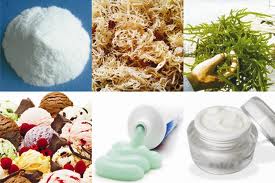
Plaque Off – We like supplements like Plaque Off which use a species of kelp that has been proven with clinical trials to reduce plaque in the mouth. When ingested each day, it changes the saliva a little bit to make food less likely to adhere to teeth (it interrupts the biofilm). Within 2 weeks we see better breath and within 6-8 weeks we often see noticeable changes in the amount of visible plaque on the teeth. They have a human version as well, which Mike and I both use – we definitely had measurable results at the dentist after 6 months of being on it. It’s pretty economical as well, the smaller 60g size sells at our store for $23.99, and lasts a cat or small dog over a year. The only animals (or people) that shouldn’t be on it have hyperthyroid disease, as kelp naturally contains some iodine, which can stimulate the thyroid. If it’s already over stimulated, it’s not advised to eat foods high in iodine. Otherwise, sea vegetables have nice nutritional benefits for healthy animals and people.
Petzlife – a gel or spray that can be applied topically to reduce tartar build-up. We think it works but haven’t had too much luck with palatability, as they’re all pretty minty, but they’re worth trying.
DentaTreat from Wysong – a cheesy powder that pets generally looove the taste of has lots of digestive enzymes and probiotics that help with bacteria in the mouth, and apparently some cheeses have unique properties that help to prevent tooth decay. Check out the link at the bottom of that page that says “product monographs” for an excellent description of how diets and tooth decay are intertwined, as well as a good description of each component of DentaTreat. Makes a good food topper for picky animals and makes a really nice “toothpaste” – dip your brush into the powder and use it to brush the teeth. Yummy!
Remember, visiting the vet for preventative care, including occasional dentals to check for damage and clean below the gum line are important, but if the dog’s nutrition is solid, they’re chewing a lot, and their teeth are getting brushed, you can avoid a lot of extractions and the expense of frequent surgical cleanings and treatments. And it’s not that hard!



 We all want to make sure we’re supporting our senior pets as they get older, but there are a few myths that persist about what is nutritionally appropriate for senior dogs.
 have, so when they did study this question in dogs, it was determined that no amount of protein can hurt a healthy kidney. Mary Straus of dogaware.com says , “In fact, senior dogs fed high protein diets live longer and are healthier than those that are fed low protein diets, even when one kidney has been removed. Studies conducted at the University of Georgia in the 1990s demonstrated that feeding protein levels of 34 percent (on a dry matter basis) to older dogs with chronic kidney failure and dogs with only one kidney caused no ill effects. The mortality rate was greater for the dogs fed 18 percent protein than for the dogs fed 34 percent protein. Another study done on dogs with only one kidney showed that protein levels up to 44 percent of the diet had no harmful effect on the remaining kidney.” For a more comprehensive discussion of protein in dog diets, see this link

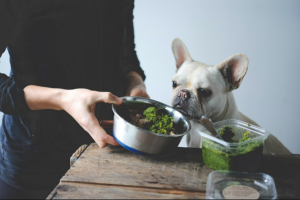
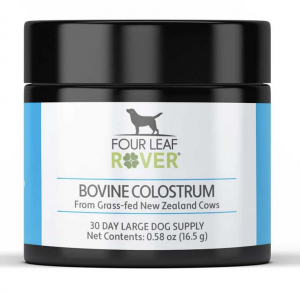 For the first few days after giving birth, all mammals produce something called colostrum in their milk. This amazing substance is critical for the early development of newborns, as it serves as a concentrated source of proteins, growth factors, and antibodies. Its properties have been revered for thousands of years across many cultures, as it is a powerhouse of nutrition and tools for healing and protecting the body. Many human health benefits have been attributed to bovine colostrum including: increased energy levels, lower risks of upper respiratory illnesses, reduced risk of intestinal damage from anti-inflammatory drugs, increased ability of the body to burn fat and increase muscle, and the acceleration of injury healing.
It contains:
For the first few days after giving birth, all mammals produce something called colostrum in their milk. This amazing substance is critical for the early development of newborns, as it serves as a concentrated source of proteins, growth factors, and antibodies. Its properties have been revered for thousands of years across many cultures, as it is a powerhouse of nutrition and tools for healing and protecting the body. Many human health benefits have been attributed to bovine colostrum including: increased energy levels, lower risks of upper respiratory illnesses, reduced risk of intestinal damage from anti-inflammatory drugs, increased ability of the body to burn fat and increase muscle, and the acceleration of injury healing.
It contains:
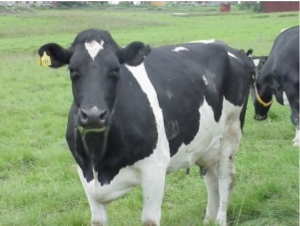 The good news is that the benefits of colostrum are not species specific – the colostrum produced by cows is just as beneficial to humans and pets as it is for cows. When cows are born, their needs are met first, as calves will likely die or have serious health issues without colostrum in the first hours of life. Luckily, the mother continues to produce enough extra colostrum that it can be collected for use in supplements. The other piece of good news is that colostrum has been proven to be safe and therapeutic. Colostrum is food and should be thought of as such. There have been no significant side effects from supplementation with bovine colostrum reported in the abundant literature. It is best taken on an empty stomach with liquid – you could also add it to a small spoonful of food, like yogurt, cooked sweet potato, etc, or even better, added to Answers brand of probotic-rich goat’s milk! When shopping, look for colostrum that is from grass fed cows, ideally organically raised.