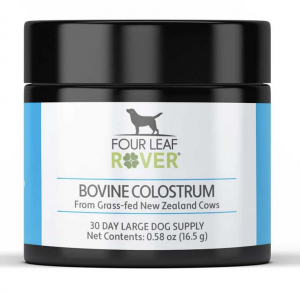
 For the first few days after giving birth, all mammals produce something called colostrum in their milk. This amazing substance is critical for the early development of newborns, as it serves as a concentrated source of proteins, growth factors, and antibodies. Its properties have been revered for thousands of years across many cultures, as it is a powerhouse of nutrition and tools for healing and protecting the body. Many human health benefits have been attributed to bovine colostrum including: increased energy levels, lower risks of upper respiratory illnesses, reduced risk of intestinal damage from anti-inflammatory drugs, increased ability of the body to burn fat and increase muscle, and the acceleration of injury healing.
It contains:
For the first few days after giving birth, all mammals produce something called colostrum in their milk. This amazing substance is critical for the early development of newborns, as it serves as a concentrated source of proteins, growth factors, and antibodies. Its properties have been revered for thousands of years across many cultures, as it is a powerhouse of nutrition and tools for healing and protecting the body. Many human health benefits have been attributed to bovine colostrum including: increased energy levels, lower risks of upper respiratory illnesses, reduced risk of intestinal damage from anti-inflammatory drugs, increased ability of the body to burn fat and increase muscle, and the acceleration of injury healing.
It contains:
Immunoglobulins: Immunoglobins in colostrum have specific immune system activity against many common pathogens and viruses such as E.coli, Cryptosporidium, Salmonella, Staphylococcus, and Rotavirus. These immune boosters also help to coat bacteria and viruses in the digestive tract so they don’t enter the body.
PRPs: Another of the many beneficial attributes in colostrum is that it is rich in “Proline-Rich Polypeptides” which are specifically designed to modulate the activity of the immune system, stimulating its activity when needed to fight off an infection or quelling its activity to prevent tissue damage once the infection has been defeated. PRPs have also been shown in studies to be potent stimulators of natural killer (NK) cell activity (cancer fighters).
Lactoferrin: This protein is antiviral, antimicrobial, antifungal and antiparasitic. It helps eliminate pathogens that trigger inflammation. It also has anti-tumor effects.
MSM: Methylsulfonylmethane is often in joint supplements. It’s a micronutrient that supports wound healing. It can maintain cartilage and manage pain. MSM is also used in cancer treatments. It has been shown to reduce breast cancer tumors in studies and has helped manage prostate and liver cancers.
Allergies: We have heard amazing stories from users that have been able to get off of medicationslike apoquil after using colostrum. Allergies are an overactive immune response. The PRPs in colostrum help moderate that response. Colostrum also helps manage inflammation that causes rashes, itching, and discomfort for your dog. One of the most important things that colostrum can do is to help seal the lining of the gut. The gut lining (ours and those of our pets) is fragile, and can be damaged easily by the many stresses of life which include a poor diet, chemical exposure, vaccines, medications (especially NSAIDS), and adrenal stress. The lining is naturally permeable to allow tiny nutrients to enter the blood stream, but when the lining is damaged, larger gaps are created, allowing things like toxins, microbes and waste materials to travel into the blood stream. The immune system is designed to spring into action to prevent these things from hurting the body, but when this condition is chronic, it can cause the immune system to become over reactive. This condition is often called “Leaky Gut” or Increased Intestinal Permeability. Holistic vets and Naturopathic doctors believe that it can lead to a host of symptoms, such as seasonal allergies and asthma, skin issues, yeast overgrowth, chronic problems with stool quality, food intolerances, and IBD. Colostrum has a unique ability to help to seal and heal the lining of the gut and calm and support the immune system. It also helps probiotics to work more efficiently, preventing their loss through that leaky gut, and providing the soil for the seeds of probiotics, so to speak.
Help for Diarrhea: Studies show it can help reduce many different kinds of diarrhea. This includes chronic, acute and even infectious diarrhea.
Supports Oral Health: John Ellis DVM PhD suggests colostrum can reduce the bacteria that cause gum disease. Growth factors in colostrum may also repair damaged tissue.
Colostrum can also be used topically: On the VCA Hospital’s website it says that it’s “useful for accelerating the healing of insect bites, wounds such as abscesses or ruptured cysts, warts, and surgical incisions”.
Canine Flu and Kennel Cough: Colostrum can help prevent upper respiratory diseases. It can also prevent the flu in humans better than flue vaccines. In fact, a 2007 study showed that colostrum was “at least 3 times more effective than vaccination.” A 2013 study found that a lactoferrin-whey protein supplement can cut down on colds. Only 48 of the participants got sick vs 112 in the placebo group. And patients who did get colds were sick for shorter periods. Another study in 2013 showed that dogs’ immune function improved with colostrum. And if he’s vaccinated, the same study suggested colostrum may improve the vaccine response. So, if your dog goes to daycare or boarding, give him colostrum to prevent flu or kennel cough.
Mediate Side Effects from Conventional Drugs: Some drugs such as antibiotics and NSAIDS can have serious side effects and cause permanent damage to your dog’s gut health, including creating or contributing to leaky gut. Several studies show that colostrum can help repair gut damage from pharmaceutical drugs. Keep colostrum in mind if your dog ever needs conventional drugs in an emergency.
Aging: Research shows colostrum can have anti-aging effects on your dog in several ways. It can help preserve lean muscle mass and bone density in older adults. This could mean better mobility and strength as your dog ages. Colostrum also improves recovery from exercise, helping prevent oxidative stress. And studies show it may prevent cognitive decline as well.
Yeast Overgrowth: Lactoferrin and its peptides have strong antifungal activity. Along with colostrum’s immune-boosting properties, it can help fight your dog’s stubborn yeast infection.
Cancer: Immunoglobulins in colostrum help support your dog’s immune system. They also help fight viruses and bacterial infections. Lactoferrin’s anti-inflammatory effects may also help treat and prevent cancer. And the cytokines in colostrum can help the body fight cancer as they activate special white blood cells that can find and kill cancer cells. Colostrum also contains a special protein called Lactalbumin. Researchers report that Colostrum lactalbumin can cause apoptosis (death) of cancer cells … but leaves the healthy cells to thrive.
Lyme Disease: A new study at the University of New Haven has found that lactoferrin, a milk protein in colostrum, can help treat Lyme disease. The study shows it’s more effective than the antibiotic doxycycline, the standard treatment for Lyme disease. Lyme disease comes from the bacterium Borrelia burgdorferi. Previous studies have shown that B burgdorferi often appears in biofilm form. Biofilms are structured colonies of bacteria which hide the bacteria from the immune system and protects them from antibiotics. Studies show biofilms can increase B burgdorferi antibiotic resistance up to 1000 times compared to individual spirochete forms of the bacterium. This makes Lyme disease very difficult to treat. And it’s not just Lyme bacteria. The National Institutes of Health (NIH) estimates that 80% of human bacterial infections have biofilms. Lactoferrin lowered the viability of B burdorferi biofilm by 15%. Lactoferrin may work because it absorbs minerals like iron and manganese from biofilms. B Burgdorferi uses manganese for biological processes, so this deprives the bacteria of their essential nutrients. Colostrum has ample concentrations of lactoferrin. If your dog has Lyme disease symptoms (or if you do!), colostrum is a low cost, safe supplement to help fight this stubborn bacterial infection.
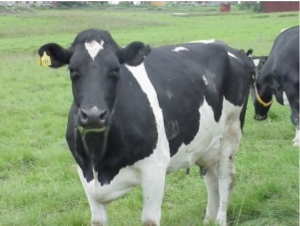 The good news is that the benefits of colostrum are not species specific – the colostrum produced by cows is just as beneficial to humans and pets as it is for cows. When cows are born, their needs are met first, as calves will likely die or have serious health issues without colostrum in the first hours of life. Luckily, the mother continues to produce enough extra colostrum that it can be collected for use in supplements. The other piece of good news is that colostrum has been proven to be safe and therapeutic. Colostrum is food and should be thought of as such. There have been no significant side effects from supplementation with bovine colostrum reported in the abundant literature. It is best taken on an empty stomach with liquid – you could also add it to a small spoonful of food, like yogurt, cooked sweet potato, etc, or even better, added to Answers brand of probotic-rich goat’s milk! When shopping, look for colostrum that is from grass fed cows, ideally organically raised.
We carry Four Leaf Rover’s brand of colostrum, and you might look at their customers’ reviews to read about their experience with colostrum (scroll down on the page). (much of the text above was borrowed from their website and from Dog’s Naturally Magazine’s article on the benefits of colostrum)
Though we doubt you’ll have any problems, with every new supplement, we encourage people to start with a pinch and build up to the full dose.



 We all want to make sure we’re supporting our senior pets as they get older, but there are a few myths that persist about what is nutritionally appropriate for senior dogs.
 have, so when they did study this question in dogs, it was determined that no amount of protein can hurt a healthy kidney. Mary Straus of dogaware.com says , “In fact, senior dogs fed high protein diets live longer and are healthier than those that are fed low protein diets, even when one kidney has been removed. Studies conducted at the University of Georgia in the 1990s demonstrated that feeding protein levels of 34 percent (on a dry matter basis) to older dogs with chronic kidney failure and dogs with only one kidney caused no ill effects. The mortality rate was greater for the dogs fed 18 percent protein than for the dogs fed 34 percent protein. Another study done on dogs with only one kidney showed that protein levels up to 44 percent of the diet had no harmful effect on the remaining kidney.” For a more comprehensive discussion of protein in dog diets, see this link

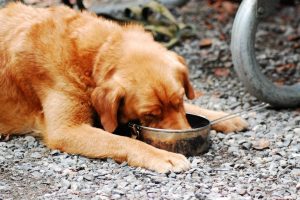 We all love our pets as members of our families and want to do the very best we can to keep them healthy and happy, but many of us overlook the very foundation of health for our pets – their nutrition. Just as our own health is affected by our daily nutrition habits, dogs and cats can develop chronic health issues like diabetes, skin allergies, inflammation issues such as arthritis, yeast overgrowth, bowel issues, urinary infections or crystals, and even cancer. We often don’t realize that chronic issues are developing at a cellular level, and of course many pets seem “fine” until a crisis occurs. Of course, the very best way to support our own health and the health of our companion animals is for all of us to eat more whole foods and cut out processed foods as much as we can.