July 4th Tips for Pet Owners!

By Green Dog Pet Supply

Photo Copyright Green Dog Pet Supply

The 4th of July is a bad time for many pets around the country, but in places like Portland where people seem to be very big fans of the larger illegal fireworks that are so easy to get, it’s often a complete nightmare for people whose pets are terrified of the noise. Some people choose to go camping in remote areas with their dogs, and one customer routinely gets in the car with her dog on the 4th and just drives and drives for hours, around and around the city’s highways to avoid the stress of the night. Here are a few tips that we hope can help if you’re staying at home this 4th of July.

BEFORE JULY 4th:

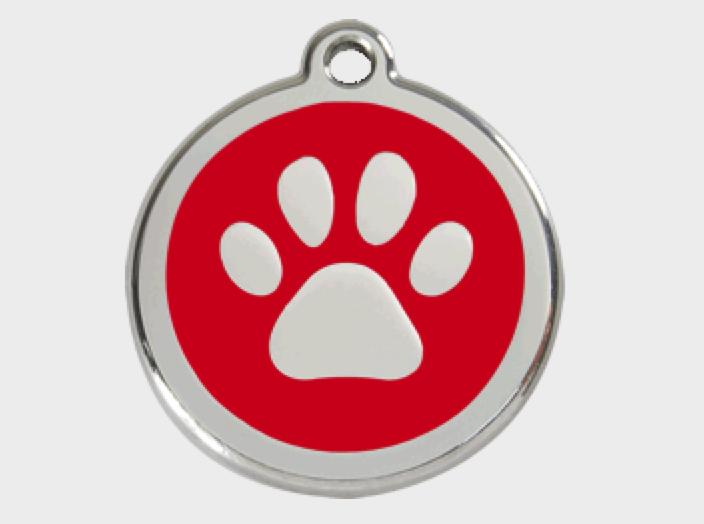
Screen Shot 2014-06-15 at 2.31.05 PMAre your ID tags current? Make SURE that every pet, perhaps even your indoor cats, are wearing their tags – fearful animals can often bolt for the door or out of a gate, and so many pets are lost every year! We sell great tags, guaranteed against wear in tons of styles, but in a pinch, many big box stores have machines where you can get tags engraved on the spot. If nothing else, a piece of duct tape wrapped around a collar and a sharpie will get the job done for the 4th of July.

If you have a new dog, please don’t make plans to bring them to a fireworks display or party that might have exploding fireworks overhead. The crowds and the very big noise and smells of the explosives can all be very overwhelming to a dog, and could create a fear of fireworks or loud noises where they might not have had one before.

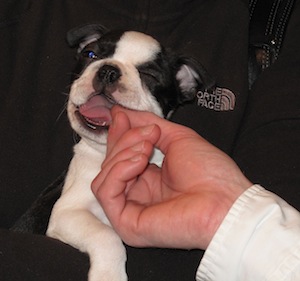
As people generally start setting off a few fireworks in the days leading up to July 4th, you can use these IMG_2636intermittent pops and bangs as opportunities! (You can also use YouTube videos of fireworks on your TV, starting with no volume and working up to louder fireworks noises)
Keep some very high value treats nearby and when you hear a pop, act like that’s a really great opportunity for your dog for fun and treats. Many dogs will start to feel more tolerant of noises if noises predict that good things will come to them. If nothing else, at least don’t act like you’re worried that they will be frightened by the noises or they might pick up on that and be frightened. Best to either ignore the noise or even better, act like you think it’s fun and treat-worthy. Other handy tools are plug-in devices that disperse a calming   Pheromone (dog or cat) throughout a room. We also have a variety of calming treats in the store that are certainly helpful to many pets. We’ve had great results with each of them, but each pet responds differently to different formulas – now’s the time to try them to see how they affect your pets. Trying something ahead of time allows you to make sure it has a positive effect, and lets you to have time to return one and try another if it doesn’t help during those pesky “warm-up” days where people start setting fireworks off in the evenings before the 4th.

Our favorites are:

photo by Green Dog Pet Supply

CBD Treats or Tinctures:
The beauty of CBDs (also referred to as Phytocannabinoid-rich (PCR) hemp oil) is that they’re very safe to try for all pets. Amazingly, all creatures on earth that have a spinal column (including you and all other mammals, birds, reptiles and fish) have Cannibinoid receptors in our bodies, suggesting that they play a crucial role in the functioning of all life. Our bodies manufacture the substances that bind to these receptors, helping to modulate many functions, such as inflammatory response, mood, neurological responses and immunity. Providing these substances can enhance these functions, often making a big difference for our pets with pain, inflammation, seizures, nausea, and other issues, most notably promoting calmness for anxious animals. Here’s a link from one of the companies that we carry that describes the endocannibinoid system and the benefits of CBDs. CBD’s are not Marijuana – they are derived from hemp and are not overly sedating nor are they psychoactive, meaning nothing about this will make your pet high! We carry several highly effective brands of CBDs: Green Element, Lazarus Naturals, Social, and  Canna-pet .We carry CBDs for pets that come in treat form as well as tinctures. Cannapet comes in handy cookie versions (a good choice for CBDs if you think you’ll only use them occasionally). Lazarus Naturals CBD come in both tincture and treat versions (pictured above). One of their soft chew treats also contains medicinal mushrooms, helpful for immunity, allergies, and cancer.  Green

photo courtesy of Green Element

Element tinctures might be  the best for cats and extraordinarily picky dogs as it has a tincture that is nearly tasteless making it easy to hide in foods and the dosing is a small amount. When we give Walter kitty CBDs, we put drops of the Green Element on his favorite freeze dried treats, as it easily soaks into them and still tastes delicious. Green Element also has delicious freeze dried  treats in liver or cheese flavors that already have the CBDs in them!
Your best values are found in 
 the amazing tinctures from Green Element and Lazarus Naturals, as these companies are dedicated to making a very high quality products that can be sold for very reasonable prices.

Don’t forget CBDs for vet visits, car rides, and for older pets with pain or anxiousness due to age related cognition changes that might cause panting and trouble sleeping.

Calming Treats Containing Valerian, Combined With Other Calming Substances:
Valerian is very effective for many pets as is it physically relaxing, and we’ve had great success with the formulas we carry. People often use valerian as a natural sleep aid. As we mentioned above, you should experiment with these formulas ahead of time. It’s very rare, but some calming herbs like valerian can occasionally have the opposite effect and make them more restless (this can occur with the occasional human taking it as well). It’s an amazingly effective ingredient for almost all pets, but you don’t want to find out you own that very rare pet when fireworks are exploding outside your windows! One should follow dosing instructions for valerian products, but CBDs can be safely added to these herbal remedies for more difficult cases of anxiety and noise phobia.

Valerian Calming Products:

photo courtesy of Animal Essentials

photo courtesy of Ark Naturals

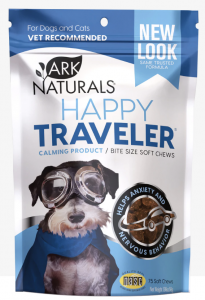
Happy Traveler by Ark Naturals: Combines Valerian with L-Trytophan, Camomile and St. John’s Wort and comes in soft chews and capsules for dogs. We’ve had great success with this formula over the years, and they’re handy for car rides and vet visits.

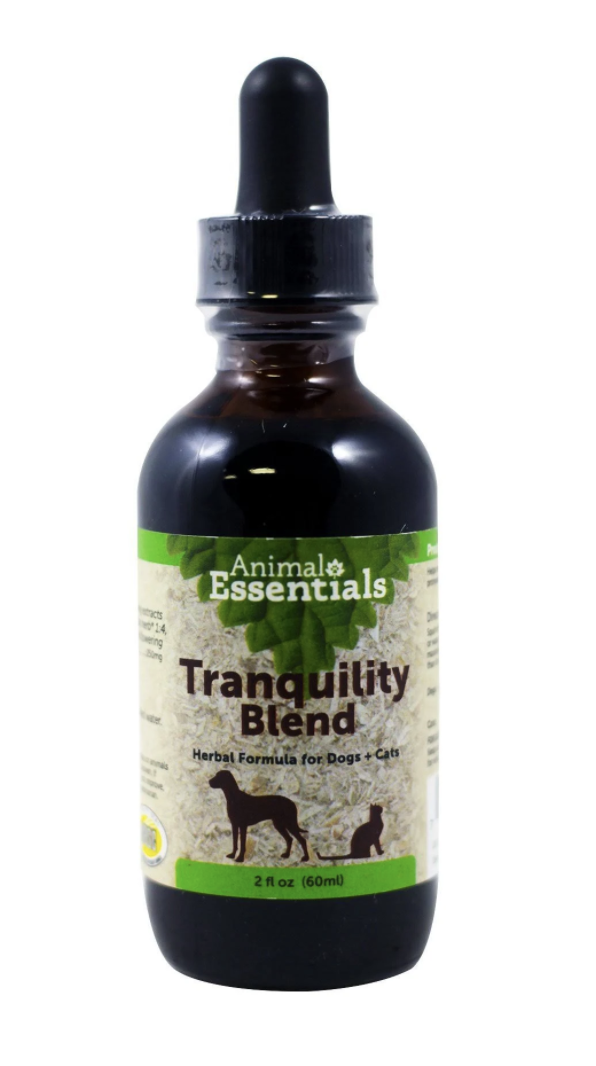
Tranquility Blend by Animal Essentials: Combines Valerian with skullcap herb (helps with nervous jitteriness), passionflower (helps with emotional upset) and oat flowering tops (helps to balance other calming herbs). It’s an alcohol-free, sweet tasting glycerin herbal tincture designed to safely calm animals during acute episodes of anxiety without diminishing alertness. For dogs and cats.

photo courtesy of Herbsmith

July 3rd by Herbsmith: Valerian is combined with Chamomile, Tryptophan, Passion Flower, Thiamine Monohydrate, and Magnesium (read more about these in the link). It comes in a soft chew for dogs, and comes in convenient smaller packages for those that are only using them for the holiday.

Other Calming Products:
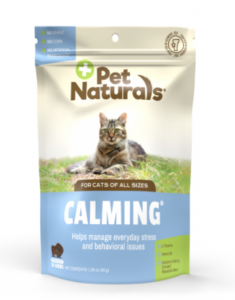
Calming Chews by Pet Naturals, these are very useful calming supplement chews designed to support relaxation especially during times of increased stress, and are non sedating. They use L-Theanine, an amino acid that’s found in green tea, which induces calming, tranquilizing effects while simultaneously

photo courtesy Pet Naturals

improving alertness. (L-theanine is great for people too, available at New Seasons or your local health food store.) Pet naturals combines L-theanine with Thiamine (vitamin B1) and Colostrum Calming Complex. These tasty chews are often accepted by cats and picky dogs, and have been remarkably effective for many animals. Can be added to other types of calming products if necessary, and is useful for those few pets that aren’t relaxed by valerian.

Sometimes You Need a “Cocktail”:
Very frightened dogs may do well with a multi-pronged approach; one of our managers used a combination of Cannapet cookies, Tranquility blend tincture and a Thundershirt (see below), with a healthy dose of exercise in the afternoon for Dundee (the dog in the photo at the top of the page who really had a hard time with the fireworks) and he finally could make it through the night with minimal stress! Try one product at a time before adding another, to see how they’re working.

*******NOTE*****: do NOT use the sedative Acepromazine for noise phobias as it can heightens noise sensitivity! See this video for more information.

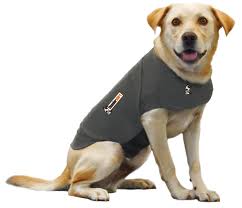
thundershirt

Thundershirts can be a very useful tool. These snug wraps can really help to calm and reassure dogs in stressful situations, like swaddling a baby. Click here for a blog post about the Thundershirt, how it works, with a few great testimonials.


On July 4th day:


  • Make sure to get all of your pets lots of exercise (don’t forget to play with the kitties).

photo licensed from Adobe Stock

Getting them tired will help them not to be so amped-up over noises. Burn off that nervous energy!

  • Keep them inside on the 4th – don’t leave them outside as they can panic and run off, or be injured accidentally or purposely (especially cats) by people playing with fireworks.
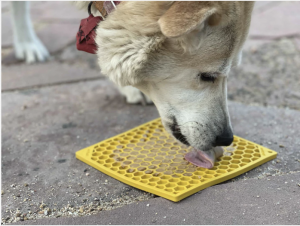
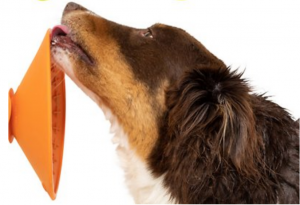
  • Offer dogs something new and exciting to lick or chew on that night –         chewing

Photo courtesy of Soda Pup

often helps dogs deal with stress and gives them something to distract them from the strange noises. Other wonderful tools are various forms of Licky Mats, textured rubber mats that you can smear soft things on (peanut butter, applesauce, yogurt, canned dog food, etc) and they can lick it off. Licking can be very soothing for dogs.

Close the blinds and do what you can to minimize the intensity of the stimulus. Turning on some white noise or music, a movie on the TV, or even the clothes dryer or a  dishwasher that they’re already used to hearing all the time can be helpful to drown out the fireworks noise. (Be careful about the stereo and TV that they’re not broadcasting fireworks noises themselves!) There are even recordings out there that are designed to calm dogs, such as  “Through A Dogs Ear” CD’s for soothing any animal – available on iTunes. Let us know if you try them and whether it makes a difference.

Consider staying home that night – your presence does a lot to calm and comfort your pet. It’s OK to 10388217_803182376070_7026452719631730471_nhold your pet if she needs comfort, as long as you are very calm and happy as well. A few of our customers have told us that they’re already feeling anxious about the 4th – your pets will pick up on that! Make sure you do things to calm yourself like exercising that afternoon, drinking chamomile tea that evening, or taking some CBDs or Rescue Remedy yourselves. Be positive!

If you’re having a barbecue, be careful of allowing pets to interact with matches, tiki torch oil, lighter fluid, charcoal, sparklers and insect coils, or you may face a trip to the emergency clinic. Make sure they’re not able to get into the garbage/compost and gorge on meat scraps or corncobs, etc. Keep glow sticks away from dogs – they may want to chew them. Don’t let them interact with the BBQ grill after it’s used – a major cause of summertime pancreatitis is when dogs get into the grease trap.

If you must go out that night please make sure your pets are in a secure location without access to the outdoors.

– Check your yard the next day for used fireworks before letting your pets outside. They may contain toxins like arsenic and potassium nitrate that can make your pet sick if consumed. (watch out for these on walks the next day too). 

Here’s wishing you a fun and safe Fourth of July!

Happy Halloween – a Few Tips

By Green Dog Pet Supply

10626878_10152327038381761_2622935969487730386_n

Photo courtesy S. Spromberg

Happy Halloween!

Halloween can be fun, but there are a few important things to keep in mind to help keep pets safe.

Beware of Toxic Things on Halloween

Don’t forget to be on guard for dogs getting into that Halloween Candy stash! Chocolate isn’t the only thing that’s toxic to dogs; macadamia nuts, raisins, and especially the sweetener xylitol are all on the list of things that can be very poisonous and sometimes deadly to dogs. The wrappers and other decorations can also cause problems when ingested. 

Behavioral Tips

Make sure that if your dog is stressed out by strangers to have them in a secure area of the house where they won’t be plagued by constant scary monsters ringing the doorbell. Conversely, if you’re up for it this is a great time to work on door manners with a dog that isn’t frightened, just excited. The doorbell rings, dog on leash sits, door opens, dog and costumed kid both get their own treats. Lots of repetitions available on Halloween equals lots of chances to practice how to act when people come to the door.

Hints:

-Practice this a day or two beforehand with someone familiar that rings the doorbell, rehearsing the routine 8 or 10 times of sitting quietly before the door opens, and staying calm with the help of treats to keep attention on you and reward the good behavior (the first time is hard, then it gets easier as they’re seeing the same person over and over. This lets the dog get better and better at the behavior because you’ve removed the novelty of someone at the door)
– work on a leash for control, but reward the sitting calmly without lots of yanking. Remember, the familiar person can hang out on the step for a few minutes while you work on achieving a sit or at least calm attention before you open the door. Perhaps switch places with your helper and practice the same way with you as visitor.
– On Halloween, have two people work the door, one for kid treats and one for working with the dog
– When the doorbell rings, don’t jump up. Walk calmly to the door, and practice these skills of staying calm while people are greeted.

If you have a new puppy this can be a good socialization exercise: monsters = good treats for puppy! First put on masks or hats several times in the few days before Halloween, but don’t act scary, just be yourself and encourage your puppy to come get treats and interact with you in this strange get-up. Do multiple repetitions at different times until your puppy isn’t reacting fearfully. On Halloween night, encourage them to say hi to the funny monsters, but don’t force them into it – you want socialization exercises to be positive. Offer your puppy really delicious treats like bits of cheese while they interact with the people in costumes, and if you feel like it’s safe, have the monsters offer the puppy some yummy dog jerky or pieces of cheese. Soon the puppy will think people in costumes are a good thing!

Other things to keep in mind:

– Make sure all of your pets are wearing i.d. tags, even your indoor cats. That door is opening and closing many times during that evening, giving opportunities for your pets to slip out.

– Watch out for candle flames – often there are decorations that might be novel to the pet who wants to investigate them.

– Keep indoor/outdoor cats inside for the night – you do hear strange and terrible stories sometimes of cats who are the victim of cruel treatment on this night.

Fun Stuff
check out this link to cute dog breed stencils for your pumpkin carving! Each one can be downloaded by clicking a link under the description.

We’re looking forward to seeing some of you in your costumes when you come trick or treating between 4-6pm!

Come!

The “Come!” command is one of the very most important things we can teach our dog. A reliable recall is imperative to get them quickly to safety, to recover them if they happen to get out the door, and to proactively remove them from a situation at the dog park that might evolve into trouble. It’s also a wonderful luxury when you are in a safe quiet place to be able to have your dog off leash and know you can get him right back when you want to.
Green Tip – please be very conscious of the negative environmental impact of off-leash dogs in some habitats (forests, dunes, etc) Read more here

Like the command “Drop It!”, it’s easy to accidentally make mistakes when training this behavior that can undermine your success. Let’s look at what might commonly happen:

*Let’s say your dog doesn’t really like bath time. He’s chewing on a bone and you say “Come!” and you remove him from his chew and bring him straight to the bathtub.
*Your dog is playing at the park with his buddies, and you decide it’s time to go. You say “Come!” and drive him away from the park – playtime is over.
*Your dog gets out the door. You’re very frightened when you see it happen as your dog darts right out to the busy street. Nightmare pictures flash in your mind of your baby hit by a car. You’re shouting at your dog to come, but he doesn’t listen. By the time you catch him you’re beside yourself and you’re very angry with him, and you tell him he’s bad and drag him back to the house and put him in time out.
See a pattern? From your dog’s perspective, that word “come” is becoming a pretty bad word. When he hears it, his heart might sink. He thinks, “Bad things might be starting, “My fun might be ending”, or “I’m about to be punished”. You don’t want him to hear that word and weigh his options, or worse, you don’t want to say that word and have him take off on you in the other direction! Don’t “poison” your cue. Protect this word!

Here’s your best road to success:
You want that word come to be the very most awesome thing your dog hears from you. “Come!” means opportunity, you’d better hurry over! “Come!” means dinnertime! “Come!” means you might have a fun new toy for him! “Come!”means good things are starting! “Come!” means his favorite friends are here to see him! “Come!” means delicious things are possible! You want his heart to LIFT when he hears that word. You want him to hurry over to see what it is so he doesn’t miss out!

Here’s How To Start:
First, keep your recall command consistent (I’ll be referring to it as “Come!” but it can be whatever you like), and of course ONLY use it for good things (for now). And remember: always end training sessions on a high note!
Start by inviting him to come to you from a foot away inside the house when he’s not occupied with anything exciting. Say “Come!” and then pat your legs, get lower to the ground, make kissy noises, or whatever will prompt him to come closer and when he does, say “yes!” And give him a great treat. Back up a few feet and do it again. Show him a treat, say “come” and run a few feet away from him, getting him to run along with you a little. When he does, say “yes!” and give him a treat and a party. What fun! If it’s dinner time, use the word “come!”. If you have a new toy you bought, don’t waste the opportunity – maybe tuck it into the back of your pants, call him to “come” and when he gets there, say “yes!” And give him a party, whipping out the new toy as a surprise bonus! Wow! Cool! What a fun word!

On leashed walks when everything is calm and boring, suddenly get animated and bouncy and say “Benny, come!” And get him to run for a few yards with you while you’re unexpectedly fun. Reward him with pets and a treat, then let everything get boring again. When he’s forgotten about that, do it again. Having a little fun starting up during a quiet time and running along with you are both reinforcing for this behavior.

If you have a helper or three, recall games are fun for everyone! Start somewhere like a hallway indoors or a big room. First have one person hold your dog by his leash. You get a good treat and let him sniff it. Then while your helper continues to hold him, you run 10 or 15 feet away, then turn back around and enthusiastically say, “Benny, Come!” The person holding him releases him right away when you say that command and you continue to cheerlead him the whole way to you. When he gets to you, reach towards him under his chin, gently take his collar with one hand and and give him the treat with the other hand (with big praise).
-The reason that person holds him until you stop running and turn around to call him is to build up anticipation – they love to chase!
– The reason you take his collar when he gets to you is that by making it a regular part of the recall, you’re sure to have him securely when he is frightened or startled in the real world and might dash away. He’ll also be so used to it that he won’t be startled if someday a stranger takes him by the collar.
-The reason you have him drag his leash and you vocally cheerlead/encourage him as he comes to you is that the world is a distracting place. When you move this game to new places, you’ll want the whole thing to be fun and keep him engaged in the game. If he stops and sniffs stuff or spots a squirrel, you can say “Oops!” and get his leash and encourage him to finish running along with you the rest of the way on the leash and reward that.

Step Two: As he gets better at this game and is pretty reliably racing towards you indoors, bring him out to the yard. 
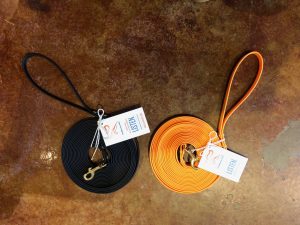
A long line is an incredibly handy thing to have for outdoor exercises – these are light leashes that are 20 or more feet long. If you don’t have one, have him drag his leash. You’ll especially want a long line later when you start  to work in more distracting areas like a park. “Come” should always be positive and fun, but it shouldn’t be optional. This does not mean anything about punishment but it does mean something about follow-through. You don’t want to inadvertently reinforce a chase game if your dog decides to ditch your game and run off! Getting him to finish the task and get the reward is an important step. If he does get distracted, work in an easier area with fewer risks of distraction and for shorter periods of time. End with a successful run to you before it becomes any sort of chore. You want this to be a fun game that he wishes wouldn’t stop!
Note: (IF for some reason he is collar-shy, work on that issue separately for now. Slowly desensitize it in a quiet setting by reaching towards him, perhaps towards his chest at first but not touching him and rewarding this until it’s not scary, then scratching him under his chest for a reward with the other hand, working slowly with good treats closer to gentle touches to the collar, etc. Watch for stiffening of his body or a glimpse of “Whale Eyes” and go back to what was easier.


Third Step: Practice the same indoor chase-me exercises outdoors, with better treats.
Then if you have a third person (or more), space out in a rough circle, not too far away from each other, and take turns calling the dog to come, so he’s bouncing from one person in the circle to another. Remember each time to use his name, call him to come and cheerlead him as he comes, and take his collar and give a treat. Then the next person does the same.
Sometimes when he does a really good recall, take a break and play a game as a reward. Fetch is good if he’s into that, or a have a game of tug. Fun things happen when you come!

Forth Step: if you have three people, have a person be a (minor) distractor. Use better treats, and perhaps have your dog drag his leash or be on a long line. If you and one other helper are calling him back and forth, have the third person stand to the side of the recall path while he runs by, or casually walking across the path. Reward well for ignoring that distractor. Then maybe that distractor does something slightly playful: hop from foot to foot nearby, or stand holding a ball, bouncing it lightly in your hand. The person calling should be animated. If the dog is distracted, the caller should scoop up his leash and encourage him to run along with them to the end point, and get a little reward. Don’t increase the challenge until he does well ignoring that level of distraction. If the dog does well, the next step will be to make the distractions harder. Tossing a favorite toy into the air, or running across the path, etc. If he veers, the caller could use a marker word if you already have one “Oops!, or “nope!” Or “Uh-uh” and see if you can cheerlead him to bring him back on course. If you’re able to convince him with your enthusiasm to change course back to coming to you without having to use the leash, make a big deal out of it. Give him a jackpot! Jackpot means you give a series of treats, one at a time with a slight pause between treats. This feels like a lot of treats to a dog (as opposed to a handful of treats, which = ONE handful.) What you’re showing him is that he gets the best/most rewards when he makes the decision to ignore a distraction.
Another good addition is making “Sit!” be part of the recall. As he approaches, stand tall and ask for sit, perhaps with a slightly exaggerated hand signal if you’ve got one, then take his collar and reward well.

Almost There! Once he’s a rockstar in your yard, bring him to a more public park and use your long line. Start closer together at first in a quieter area, and work up to a more distracting area. Remember to end on a good note!

Work on Calling Him Away From Fun: Once you’re doing well with the park, a very good exercise if you happen to frequent an enclosed dog park is to go with a few treats in your pocket. When your dog has already been playing and then it’s one of those quiet moments maybe just sniffing the ground, call his name from a short distance away and if he even looks towards you, say “Yes!” and give him a treat and then tell him to “Go Play!” again. Then wait a bit and call him to “Come!” during another quiet-ish moment, and cheerlead him as he comes. Reward this very well, maybe even with a jackpot moment, and then tell him to “Go Play!” again. This is a great way to show him that “Come” doesn’t necessarily mean fun is over, and also works on coming with distractions around. Maybe when you leave you can use the “Want to Go For A Ride?” or “Want to Go To Green Dog?”  to continue the fun instead of just ending it.

Important Tip: 
If in real life he decides not to come in the face of something too exciting, try not to punish him when you do get him back. Remember that a reward or a punishment is always associated with what happened right before, meaning punishing him when he lets you finally catch him will be punishing him for getting caught/coming to you. These are things you don’t want to discourage.

Instead: Try to see if he’ll come to you as you run away a bit, like your exercises. Reward it very well if he comes!  A strange but effective tactic that works on many dogs in an emergency is if you drop to the ground, perhaps making a high pitched noise. If you’ve ever watched Funniest Home Videos, you could make a drinking game out of the number of people falling and then a dog racing right to them from off screen! Even getting on your hands and knees and pretending to look intensely at something in the grass can be irresistible to some dogs. Try it in your yard! 

If your dog is off leash and doesn’t come to you, go back to using a long line for a while. Don’t let them have too much practice ignoring this cue – just go back a step or two and work near distractions on a long line to  better solidify the behavior.
You might ask:
“But what about all those other times I listed in the beginning of this article where I want to call him away from something he’s enjoying or towards something that’s not so fun?”  The good news is that the English language has loads of great words, like “Bath time!” “Let’s Go!” “Want to go for a ride?”, etc. Make sure you reward these words well too, especially early in life, and work on making those experiences more positive.
For example, if bath time is scary, can you come up with ways to make it less so? You could put a rubber mat in the tub to make it less slippery, you could smear peanut butter along the inside edge of the tub (or we have rubber textured licking surfaces that adhere to the tile or tub that they can lick stuff off of to distract them from the activity), you could have a second person holding a frozen treat to lick, or you could try to do it outdoors on a hot day. Bath time (or other un-favorite activity) could also always end in a super awesome favorite treat/chew that is reserved for bath or grooming sessions, (or is hidden in the car for when he came away from the dog park fun) making it at least a begrudging acceptance of the task in anticipation of that great thing.

Happy Recall, Y’all!

By Christine Mallar, Co-owner, Green Dog Pet Supply. Christine has 30 years of positive reinforcement training experience with dogs, cats and captive exotic animals.

Other articles in this puppy series:

Tips for New Puppy Owners
Congratulations on your new puppy! What a fun time you’ll have! We very much want your new baby to live a long, healthy, happy life, so we thought we’d compile some of the nitty-gritty dos-and-don’ts of puppy care. Socialization, nutrition, our favorite chews, tips on potty training, etc!

Raising a Puppy (Or Any New Dog) During Covid19
All of us feel frightened and unsure of how long we’ll be living in this strange, suspended, frightening reality. A new dog is not just a delightful distraction from boredom- that little soul can really be a life raft for your psyche. But, this new-puppy-during-quarantine situation does come with a few unique challenges. How to work on socialization and help to prevent separation anxiety once you go back to work.

What Do They Want? How Should They Get It? (Foundational Thinking For Creating Good Behavior in puppies and kittens! Part One) Often we hapless humans try our best to tell our puppies (and kittens) what we want them to do or especially not do, yet the bad behaviors increase and we struggle to get them to be what we wish they would be, especially when it comes to attention-getting behaviors. I’m here to offer a few rules of thumb for most any behavior you don’t like.

To Treat Or Not To Treat?  (Foundational Thinking For Creating Good Behavior In Dogs Part 2 : Choose Your Methods of Training Carefully, especially with Reactive/Fearful Dogs.
This is the second article in the series that I call “foundational thinking”, as once you understand how dogs think and learn, and the concepts behind why you use certain methods, you can train just about any behavior you like! I think this article contains what I believe to be some of the most important information I can give you about why we use positive reinforcement, and the dangers of using dominance theory and aversive methods especially when dealing with situations that are uncomfortable for dogs.

Do I Always Have To Use Treats? (Foundational Thinking For Creating Good Behavior In Dogs Part Three) A lot of people worry about training with treats.
* Do I have to keep giving them treats for everything for the rest of their  lives?
* Aren’t I bribing them?
* I want them to do things because they want to please me.
* I want them to do things right away and I don’t want to have to show them a treat to get them to listen.
 These are all good questions. Here’s how to help your dog be able to do what you ask of them the first time you ask, while continuing to build a good relationship.

Drop It!
We’re continuing our puppy series with discussions of common training challenges. It’s so easy to accidentally create a dog that runs away from you when they get a hold of something they shouldn’t have. Wouldn’t you rather they spit something out of their mouth when you approach? You can do it!

Drop It!

Note: this is an article in a recent series of puppy training articles – see the bottom of this page for links!
We know many people during Covid may lack a lot of options when it comes to puppy classes. They do exist in Portland, but these days they are often filled up too quickly, as there are SO MANY  new puppies right now.  Even if you can find open classes, maybe you don’t feel that comfortable about leaving the house right now. Whatever the reason, I’m hoping to help you along with some specific handy behavior basics. Stay tuned for more!

Drop It!

A recent customer brought home his 8 week old puppy, and was shocked the second day when he went to take something from her and his tiny little angel growled at him. He came straight into the store very worried that he had adopted a Cujo puppy with a vicious streak. I want to reassure you: protecting resources is a very natural behavior for dogs, and actually for all animals including people. Lions aren’t keen on hyenas stealing their hard-won meal. Think about how much you have to actively teach and remind your toddlers to share – it doesn’t exactly come naturally. Even though our mommas might have taught us well, think about how you might react if a stranger walked by your table in a restaurant and took a handful of your french fries! However, don’t despair, there’s absolutely no reason you can’t teach your new puppy to happily surrender what’s in their possession to their humans!

First I’d like you to consider what normally happens: The puppy (who naturally puts absolutely everything in her mouth that she encounters) chews on something like your shoe. You gasp and run over, yank the shoe away and leave her with nothing. Then she’s chewing on an absolutely delicious bully stick but you notice it’s getting floppy and short enough to swallow, so you approach her hastily and take it away.  Hmmm. Not so fun. Maybe next time she finds a sock and as you rush over to take it away from her, she runs away with it. She’s starting to understand that if she has something and you rush over saying “no”, you’re going to take it away for sure, and maybe she doesn’t want to lose that fun thing.  As she runs away with it, you chase her around (perhaps pretty fun, actually) and when you get the sock in your hand she tugs against it (really fun!) And then she loses it. (Boo. Game over. No fun at all.) 
You are in fact actively teaching her not to let you get something she wants to keep, or perhaps that if she’s bored, grabbing something that elicits a chase and tug game is a pretty great idea. If you’re ripping away her most delicious chew, she’s very much NOT going to be motivated to give that up next time, and may even start to get defensive about you “stealing” it away from her. She’s no dummy. She can see patterns in your behavior and learn from them, but unfortunately you might be inadvertently teaching her behaviors that might infuriate you.

Here’s the recipe for success:

Instead of teaching her that “drop it” means she always loses things she likes, make it a neat opportunity for a reward. The strategy is to start frequently removing easy things that she ultimately doesn’t lose. You’ll just be borrowing them for a moment and giving them back. You’ll want to do many of these tiny exercises a day.

Tip: During this time you’ll want to manage her environment tightly, keeping things like shoes and socks, etc very well put away.

Step One, choose your command and your reward marker. Your command can be anything that you choose such as, “Can I have it?” “Can I borrow this?” “Drop It”. Your reward marker could be “Yes” or “thank you” or “good”. Whichever words you choose should be something that easily springs to your mouth, and it should stay consistent.
Then for this first exercise, lets say she’s laying on her bed and a ratty stuffed toy that she’s not playing with is laying next to her. (You want to start with low value items in calm situations). Get a yummy treat, calmly approach her and put it right to her nose, asking her, “can you Drop It?” or whatever your command is. (With your other hand, casually take the item from the bed, say “yes!!” Or “thank You” (whatever reward marker you have chosen) and give her the treat while you’re holding the toy. When she finishes the treat, praise her and give her the toy right back. 
Try to find excuses to practice this very easy exercise a lot, as  you’re just establishing a pattern. You can also do random exercises where you present her with some toy that’s hers (that’s not that exciting) and ask her if you can have it right back with the command you’ve chosen, showing her a treat if she leaves the toy laying next to her or perhaps putting it right at her nose if the toy’s in her mouth, calmly removing the item you just gave her, rewarding her with that treat, returning the toy and walking away. If she tries to make a tug game with it, just say “Oops”, drop the toy and walk away with your treat. (If you want to play tug in a different circumstance, present the tug and invite her to get it. You don’t want her to try turn other situations into tug games like when you’re folding laundry).

Tip: You want to show her that 99 times out of 100, when you approach calmly and ask her if you can have what she has, she gets a reward and she also gets the thing right back. Starting with easy things first lays down a valuable precedent. This exercise takes all of 30 seconds, so try to sprinkle it in throughout the day.

Step Two: You can start to try this same exercise with a lower value toy that she’s actively enjoying, whether it’s in her mouth at the moment or not. Work it in a lot of times a day.

Step Three: When she has something of medium value in her mouth, get two really good treats, calmly approach her and press one treat right up against her nose, while you’re calmly reaching for the toy that’s in her mouth with your other hand, asking her with your command to give it up. When she drops it to get the treat, say your reward marker, give the treat to her, and then give her the second treat, praise her, and give her her toy right back into her mouth and walk away. Practicing this a lot with low and medium value toys will likely start to turn your dog into someone that when she has a toy in her mouth and you approach, she’s going to spit it out in anticipation of a treat. If she does release it before you’ve even asked, praise her heartily, ask her with your regular command if you can have it and go through the regular motions, treating and returning her toy to her. You’re almost there!

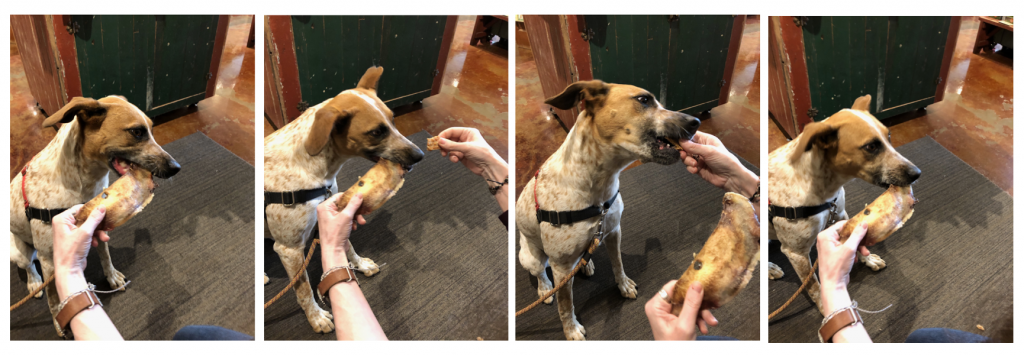
Step Four: Next, you’re going to present her with something really exciting and ask for it back for just a moment. Get a higher value chew like a bully stick (something that’s easy for you to hang on to for a minute and that you plan to let her have at the end). Be ready with a high value treat. Present her with the bully stick and invite her to “Take It”, but continue to hold it while she chews it a little. Then put your high value treat right up to her nose and ask with your command for the drop it. Ideally she’ll release it to get her treat, and you should also praise her well and give her the bully stick right back, leaving her alone to chew it. You’re showing her that it’s safe to give up even a really good thing for a moment. For a little while, this is how you might present all things to her that she loves – hand it to her, ask her for a quick drop it for a treat and then give it back to her and leave her with it. You’re really showing her that it’s safe to let someone take things, even good things, and that it doesn’t mean she’ll undoubtedly lose it forever.
Step Five: Taking away a high value item that she’s been working on for a while: This exercise gets harder when they’re really “dug in” to a high value chew. Before you ever progress to step Five, you should feel confident about her being happy with the steps so far (especially step 4) and they have become easy. You’ll want to escalate to a crazy good treat that she never gets (a real piece of meat, or biggish cube of cheese, a piece of deli ham, or whatever would blow her mind) to reward her with for the first time you try, and do return the chew to her right away and leave her be. Getting her solid on this exercise will help you with real life situations.

Real Life : Sometimes she’ll get an object that you have to take away. Hopefully you’ve used management to prevent these incidents with household items, but life happens, like the stringy floppy thing she might choke on, or whatever she’s found in the world that might be dangerous to her if she ate it. Do NOT get worked up and run towards her to take it. Remember that you’ve created a great precedent of calmly approaching her and removing something, so keep a cool head and recreate this exercise. Keep a Tupperware container handy in common areas containing really good special treats and something delicious to trade for the item that you can leave her with handy in common areas for just such an occasion (it’s an excellent bully stick opportunity).  Remember: don’t make a fuss, no matter whether she’s decimating something you love (just whack your own nose with a rolled up newspaper for letting her have access to that valued item). Just calmly approach, put the good treat right up her nose (Of course I’m not suggesting you put anything actually up her nose, but by pressing it a bit against her nose, sometimes it distracts her from the fact that she’s letting something go to be able to take that treat), ask for and take the item as you praise her and instead of returning the item to her, this one time out of a hundred she’s going to get something else instead. Give her that bully stick and I doubt she’ll be too affected by the loss.

Tip: Remember, 99 times out of 100 when you approach and ask her to drop it, she gets a reward and gets the thing right back. Why wouldn’t she want you to borrow things from her? It’s a cool deal. If you’re doing these exercises several or more times a day, she’s going to feel incredibly secure about you taking stuff from her.

Tip: Remember, that one time out of a hundred where she has something she shouldn’t have is a valuable moment that shouldn’t be squandered. Be prepared for it, be calm and reward it well, and trade the item for something else (hopefully something good).

Tip: Be practicing this outdoors too. On a walk, bring your treats and one good trade just in case. if she picks up a stick, calmly ask if you can have it, with a treat at her nose, give her the treat and return the stick right back to her to carry. Or if she loves to fetch it, throw it for her after the drop it. This is a good way to phase out the lure (the treat at the nose thing), as the start of a game is great reinforcement for a good drop it. If it’s something she shouldn’t have and is exciting (ie: dead squirrel) make sure your good treat and good trade is handy. Getting her to be good about drop it can be a lifesaver for her in the future if she gets something dangerous. Rewarding it well is a good way to solidify the behavior. Eventually of course she’ll be so secure with the drop it that you won’t always need the lure or the reward, though it’s always a good idea to randomly reinforce behaviors you like to keep them strong.

Note: Resource guarding between dogs is a bit more tricky. If you have multiple dogs, management is important. Perhaps separating the dogs is a good idea when there are valuable items they might squabble over (raw bones, etc). Make their crates a great spot to get high value chews. Practice rewarding the crabby dog for leniency when it comes to the puppy. If they’re both sitting in front of you for treats, give crabby dog the first one, then give the puppy a quick treat and immediately give crabby dog two treats, one at a time. If crabby dog gets paid for allowing puppy to get treats, you’re helping crabby dog to develop more patience and impulse control when it comes to the puppy getting things. If crabby dog blows it, he should be calmly but efficiently removed from the opportunity. “Too bad!”. You don’t want to be unfair to crabby dog for the way he feels, so separation before high value food stuffed toys or bones are presented might be kinder in these situations, so he isn’t made anxious about losing his stuff.

You Can Do It!


Tips for New Puppy Owners
Congratulations on your new puppy! What a fun time you’ll have! We very much want your new baby to live a long, healthy, happy life, so we thought we’d compile some of the nitty-gritty dos-and-don’ts of puppy care. Socialization, nutrition, our favorite chews, tips on potty training, etc!

Raising a Puppy (Or Any New Dog) During Covid19
All of us feel frightened and unsure of how long we’ll be living in this strange, suspended, frightening reality. A new dog is not just a delightful distraction from boredom- that little soul can really be a life raft for your psyche. But, this new-puppy-during-quarantine situation does come with a few unique challenges. How to work on socialization and help to prevent separation anxiety once you go back to work.

What Do They Want? How Should They Get It? (Foundational Thinking For Creating Good Behavior in puppies and kittens! Part One) Often we hapless humans try our best to tell our puppies (and kittens) what we want them to do or especially not do, yet the bad behaviors increase and we struggle to get them to be what we wish they would be, especially when it comes to attention-getting behaviors. I’m here to offer a few rules of thumb for most any behavior you don’t like.

To Treat Or Not To Treat? Foundational Thinking For Creating Good Behavior In Dogs Part 2 :  Choose Your Methods of Training Carefully, especially with Reactive/Fearful Dogs.
This is the second article in the series that I call “foundational thinking”, as once you understand how dogs think and learn, and the concepts behind why you use certain methods, you can train just about any behavior you like! I think this article contains what I believe to be some of the most important information I can give you about why we use positive reinforcement, and the dangers of using dominance theory and aversive methods especially when dealing with situations that are uncomfortable for dogs.

Do I Always Have To Use Treats? (Foundational Thinking For Creating Good Behavior In Dogs Part Three) A lot of people worry about training with treats.
* Do I have to keep giving them treats for everything for the rest of their  lives?
* Aren’t I bribing them?
* I want them to do things because they want to please me.
* I want them to do things right away and I don’t want to have to show them a treat to get them to listen.
 These are all good questions. Here’s how to help your dog be able to do what you ask of them the first time you ask, while continuing to build a good relationship.

Drop It!
We’re continuing our puppy series with discussions of common training challenges. It’s so easy to accidentally create a dog that runs away from you when they get a hold of something they shouldn’t have. Wouldn’t you rather they spit something out of their mouth when you approach? You can do it!

Come!
The “Come!” command is one of the very most important things we can teach our dog. A reliable recall is imperative to get them quickly to safety, to recover them if they happen to get out the door, and to proactively remove them from a situation at the dog park that might evolve into trouble. It’s also a wonderful luxury when you are in a safe quiet place to be able to have your dog off leash and know you can get him right back when you want to. Like the command “Drop It!”, it’s easy to accidentally make mistakes when training this behavior that can undermine your success. Here’s how to succeed in training a reliable recall.

Do I Always Have To Use Treats?

Photo by Heather Ohmart

(Foundational Thinking For Creating Good Behavior In Dogs Part Three)

A lot of people worry about training with treats.

  • * Do I have to keep giving them treats for everything for the rest of their  lives?
  • * Aren’t I bribing them?
  • * I want them to do things because they want to please me.
  • * I want them to do things right away and I don’t want to have to show them a treat to get them to listen.

These are all good questions.

Tiny high value treats are a great way to teach new behaviors to any animal.
Learning something new can be challenging for all of us, and for dogs it can be both physically and mentally challenging. It can also be emotionally challenging for them when working on behaviors that will help them combat the discomfort or outright fears they might have about strangers or dogs or loud noises, etc. Yummy treats can make those more difficult things easier, and the fact that they’re sprinkled though the activity fairly regularly and appear when they do the best job can be very motivating to try harder to make that good thing happen. Please read more about the value and science behind positive reinforcement training and how dogs learn, and the dangers and outright misinformation surrounding dominance based training in our last blog post: To Treat or Not to Treat

The greatest benefit to using treats when teaching a new behavior is how quickly you can teach something new if you’re using them, as the dog is usually trying to figure out how to get those neat treats, and may stay in the game longer before she gets frustrated. By quickly rewarding small advances towards your end goal, she can get the picture of what you’re after and get there faster. This is helpful to you, the trainer, and also helpful to your relationship. If you’re asking her for a new behavior she’s never heard of before, don’t forget that you have to show her what you want her to do. It seems like an obvious statement, but they really don’t speak English right away.

Picture this: If your boss (who maybe has a bit of a short fuse, so you’re already a little anxious about doing the wrong thing) says in a demanding voice, “Zowzy!” And points at the wall, you’re not going to know what the right answer is to that request. There are certainly a lot of wrong answers and likely only one right one, and if you tried one of the wrong ones (maybe you just looked at the wall, or went over to the wall and looked at a framed picture) and he seemed to be upset by that and he says “Zowzy!” even louder, your anxiety level might climb. It just wouldn’t be an efficient way for you to figure out what he wants, and you probably won’t enjoy figuring it out. Repeating a word they don’t know in a louder voice certainly won’t make them know what to do.

With treats, we can “lure” them towards the behavior we want, in order to establish what you’re after, and don’t worry – we can then phase out the lure. Small treats allow you to be able to get a lot of voluntary repetitions of the new behavior quickly, keeping the dog engaged and therefore learning what it is you want.
 So the scenario of teaching a dog to sit might go like this: the dog is standing and you put a treat right up to her nose (even touching her right under her nose with it, and move it up and back slowly so she’s following it. This makes her head point up towards the ceiling, and she might start to sit “by accident” because she’s following that treat. When her butt touches the floor, say “yes!” right at that moment and give her the treat and praise her. Do it a few more times the same way. Now it might be getting faster, as she’s starting to realize that when she gets into that position, she gets a treat. Now you can start saying the word “sit” right when you bring the treat to her nose. After a few repetitions, she’s going to start to build an association with the sound of the word sit, that it predicts that you’re going to be doing the thing where her butt touches the ground. End the session on a high note.

Next you’ll want to start the process of phasing out the lure, but we want her to have a solid sit before we eliminate it altogether. Here’s how: In the next session, repeat what you did before a few times. Your next step will be to hide the treat a little in your hand. Eventually you might like to have a hand signal to ask her to sit (many people might be surprised to find out that dogs generally respond even better to hand signals than to voice commands, maybe because we’re always talking at them). I like to use my flat hand, palm towards ceiling, and bending my elbow. It kind of mimics the up and back luring motion you just did. You can make this hand signal by putting the treat under your thumb on your flat hand. Let her sniff it there, say sit and then move that flat hand up and back just like you did before. When her butt touches floor, say “yes!” and give her the treat (and maybe a second one, for having accomplished something slightly new).  Once she’s doing that easily with the treat a little more hidden under your thumb, put the treat in your other hand and use your signal hand the same way you did last time. This time when she sits, you mark the behavior with “yes!” again but the treat comes in from your other hand. This changes the picture so she knows that she still gets a treat at this point even if she can’t see one. End on a high note.

Start to practice this new behavior in new places with the treat still in the other hand. Dogs don’t generalize very well at first, meaning that she might not know that the request for “Sit” will actually be the same behavior in another room, or outside. “But sit means touch my butt to the living room floor – how can I do that somewhere else?” Even if you have to lure the first time or two in a new place, it’s OK. She’ll soon realize that “Sit” means put your butt down, no matter where we are. And then perhaps she’s getting better at doing it when you say it, or maybe when she sees you follow the word sit with the hand signal. You can work on both.
OK – now she’s easily sitting when you ask for it. How do we phase out the treat?

Here’s the best training tip I can give you:

photo by Julie Murray

EARN EVERYTHING! Most dogs like a job. In fact, if you’ve adopted a working breed of dog, you should feel pretty much obliged to find activities that challenge their minds and exercise their bodies (think agility or other organized dog sports, freestyle, nose work, lure coursing, etc). Of course all dogs need stimulation and exercise, and any breed might enjoy these activities! Another way to always be sharpening their training skills (and yours) and to give them a job to do is to incorporate training throughout their day in a simple way that doesn’t take up a lot of time for you, but gives you great benefits.

The thing about positive reinforcement training is that it doesn’t mean you have to be permissive, or that they can have anything they want any time they want it, and it certainly doesn’t have to have anything to do with bribery, or that you have to have treats on you to get what you want from them. Here’s the way to get them to do what you want, the first time you ask:

Once your dog learns a new behavior like sit, and really knows it well, even in new areas and with a little bit of distraction around, you can ask them do this behavior to earn the things in life they want. Any time they’re excited to do something, or want to get to something or someone, or you want to give them something like a new toy or chew, this is your opportunity to get them to earn it.

Leadership is important to dogs. This does not mean “dominance” or having them do things you say to avoid punishment. What it means is that you, the leader, controls all of their resources. They have to go through you to gain access to these resources, and you have the power to give or withhold access to them. This kind of leadership is actually quite a bit more powerful than the threat of force. You are not the impediment to them getting these resources, you are the gateway. They can actually speed up their own access to these resources by doing what you want as soon as you ask them. They can also choose to not do what you ask and lose access to the thing they want (oooh – powerful stuff). Here are a few examples to illustrate what I mean:

Scenario #1:

Lets say your dog loves to go for a ride in the car. (Remember, you’re going to use this tactic only with things they want. If your dog is frightened of the car, you won’t want to make them work for access to something they fear). You’ve worked on “Sit” a lot, and the dog has a solid understanding and pretty much does it when you ask, no matter where. You’ve put the leash on and asked “Do you want to go for a ride?” and your dog is stoked! He can’t wait to get in the car. You go out to the car together, and you say “Sit”. You’re going to say it once, and not repeat it. (saying “Sit. Sit! Sit! Come on, Sit!” only dilutes your cue, making is less meaningful.) If the dog sits, super! Immediately give him access to the car and tell him he’s great. More likely what might happen is that he doesn’t. When something is exciting, it’s harder for them to do what you ask the first time you ask them. If he didn’t sit, say “Oops, Too Bad!” And turn right back around and take him back into the house. Wait a moment or so, and then ask again if he’d like to go for a ride. Repeat what you did before (go to the car and ask for a sit), and still be willing to put your money where your mouth is and go back to the house. What you’re after is a dog that knows he has this one window of opportunity to get what he wants, and as soon as he does it, he gets what he’s after. I’ll just bet you the next time you say sit to get into the car he does it! When he does, don’t give

Earning the right to come into Green Dog. Good Job Rita!

him a treat, just say “Yes!” and let him right into the car. He did what you asked, he got what he wanted. It’s likely that the next time you ask for a sit to get into the car, he’ll do it, the first time you ask. Keep your standards high (but of course allow for strange circumstances like a dog hanging out of a window barking at your dog in the parking space next to you) and you’ll get a dog that is on his way to doing what you ask the first time you ask him.

Scenario #2:

Your dog loves to meet other dogs. She’s straining at her leash when she sees a dog coming towards her on a walk. In this situation, you are usually just an impediment to her, keeping her away from what she wants. This isn’t great, as she’s not only building excitement and frustration, she might also be making the approaching dog uneasy or overly excited too. If she gets to meet the dog when she’s dragging you, this reinforces that straining at the leash behavior. You’ve basically just told her, “If you really want to get to that dog, all you have to do is drag me there”. She shouldn’t be blamed for this bad behavior, as she’s only doing what works. With any behavior you don’t like, ask yourself: What do you wish she would do? Wouldn’t you like it if she sat down and looked to you for permission to greet? This is possible!

Before you’re too close to the other dog, ask if their dog would like to say hi. If the answer is no, then ask your dog to turn away and come with you, using your treats to reward breaking away from the exciting dog and coming with you. (This is a really good treat moment).
If the owner says OK, then this is a good Earn Everything moment. Say “Great – just give me a minute because she has to sit first”. This gives you a moment to work on this. Step in front of your dog, facing her and essentially blocking access for a moment. Get her attention, and ask for a”sit”. She probably won’t, she’ll likely be trying to get around you. Don’t make a big deal, just say “Oops – too bad” and walk her a little bit back. (Space penalty). Not sitting got you a little farther away, not closer. Still blocking her, ask for a sit again. Repeat the “Oops too bad!” and the space penalty backup if you have to. Hopefully, your next “Sit” will get her to touch her butt down, even for a second. As soon as she does, you release her with “Yes! Go say Hi!” and let them say hi right away. You want to reinforce this amazing skill! The first time might be messy, but the next time might go a bit better. If you’re consistent with this, you will soon have a dog that when she first sees a dog, instead of just charging forward to get to the dog, you start to have a dog that sees another dog and whips her head around to look at you and puts her butt on the ground, as if saying, “Dog there! Oh Please can I say hi? Look! I’m sitting!” You will no longer be the impediment to her joy – you are the gateway through which she has to pass to get it, and you are very happy to let her have what she wants if she does what you ask right away. She’s finding her way to get what she wants even faster, so a faster response is what will be reinforced.

Scenario #3:

You can use other rewards he likes to reward a behavior you’re working on. Let’s say you’ve been working on “Come” recently. You’ve just gotten home from a trip to Green Dog and you’ve bought a new stuffed animal for your dog (Thanks!). Don’t just walk into the house and say here’s a new toy! Instead, hide that toy in the waistband of your pants, call the dog to “Come!”, and when he runs to you, say “Yes!” when he gets there and surprise him with the new toy! Don’t waste an exciting new bone by giving it to him for free. Ask him for a sit or a down or a spin and then surprise him with it. You’re not waving the bone in front of him as a bribe, you’re reinforcing him for doing what you ask. Even if you are holding something up you intend to give him like his food bowl, make him work for it by asking for a few different behaviors in a row, or work on “wait” when you put it down. You are the bearer of great things. You are the portal to fun and sustenance. This is a more effective form of power, and your relationship only gets better for it.

Just make sure that any behavior you’re asking for is fair – that it’s not something he hasn’t practiced or that it’s not in a stressful new situation. Once behaviors are solid, you don’t need big training sessions every day if you sprinkle these behaviors into your daytime to make him earn things he wants and make those behaviors more solid – “Lay down” to get dinner. “Sit” to go out of the house. “Spin” to get into the dog park gate.

Do use treats to help them trust strangers, to desensitize them to the sound of the scary dump truck, to reinforce important behaviors like “leave it”, (and use extra jackpot treats for leaving something amazing). Keeping a treat-filled training pouch on you for walks is an especially good idea for a young dog, or a fearful dog. Do reinforce the things you want your dog to be better at, and they will be.

Of course dogs like to please their owners. That’s one of the many reasons we love them. Your praise and approval can be very reinforcing for most dogs. But the truth is that all animals and people tend to learn what gets them what they want or need faster, and abandon the tactics that don’t work as well. Working with this construct can get you the dog you always wanted. One who looks to you for permission. One who does what you want when you ask them to. A dog that you don’t have to bribe to get them to listen.  And above all a dog who trusts you and looks to you for guidance.


This article is part of a series about training puppies/adult dogs (and even tips for cats). Here are links to the others so far:

Tips for New Puppy Owners What a fun time you’ll have! We very much want your new baby to live a long, healthy, happy life, so we thought we’d compile some of the nitty-gritty dos-and-don’ts of puppy care. Socialization, nutrition, our favorite chews, tips on potty training, etc!

Raising a Puppy (Or Any New Dog) During Covid 19 This new-puppy-during-quarantine situation does come with a few unique challenges like socialization and avoiding separation anxiety when you go back to work.

What Do They Want? How Should They Get It? (Foundational Thinking For Creating Good Behavior in puppies and kittens! Part One) Often we hapless humans try our best to tell our puppies (and kittens) what we want them to do or especially not do, yet the bad behaviors increase and we struggle to get them to be what we wish they would be, especially when it comes to attention-getting behaviors. I’m here to offer a few rules of thumb for most any behavior you don’t like.

To Treat Or Not To Treat?  (Foundational Thinking For Creating Good Behavior In Dogs Part 2 : Choose Your Methods of Training Carefully, especially with Reactive/Fearful Dogs.) Once you understand how dogs think and learn, and the concepts behind why you use certain methods, you can train just about any behavior you like! I think it contains what I believe to be some of the most important information I can give you about why we use positive reinforcement, and the dangers of using dominance theory and aversive methods especially when dealing with situations that are uncomfortable for dogs.

Drop It!
We’re continuing our puppy series with discussions of common training challenges. It’s so easy to accidentally create a dog that runs away from you when they get a hold of something they shouldn’t have. Wouldn’t you rather they spit something out of their mouth when you approach? You can do it!

Come!
The “Come!” command is one of the very most important things we can teach our dog. A reliable recall is imperative to get them quickly to safety, to recover them if they happen to get out the door, and to proactively remove them from a situation at the dog park that might evolve into trouble. It’s also a wonderful luxury when you are in a safe quiet place to be able to have your dog off leash and know you can get him right back when you want to. Like the command “Drop It!”, it’s easy to accidentally make mistakes when training this behavior that can undermine your success. Here’s how to succeed in training a reliable recall.


To Treat Or Not To Treat?

Foundational Thinking For Creating Good Behavior In Dogs Part 2 : Choose Your Methods of Training Carefully, Especially with Reactive/Fearful Dogs.
By Christine Mallar, Co-owner, Green Dog Pet Supply. Christine has 30 years of positive reinforcement training experience with dogs, cats and captive exotic animals.

There is still a big disconnect in the world of training – there are two camps: some trainers that use positive reinforcement training (“Causing desire of a thing, situation or behavior by using a pleasant or motivating stimulus”), and some that use aversives (“Causing avoidance of a thing, situation, or behavior by using an unpleasant or punishing stimulus”).

Humans and dogs are definitely different species with different perspectives in many ways (check out the book in the photo below). However, both dogs and humans have similar sorts of things that motivate us – things that might make us drag ourselves out of the comfort of our cozy beds to do something that we might not exactly choose to do for pleasure, but that are motivating for other reasons.

Check out Patricia McConnell’s book, “The Other End of the Leash” It’s a really interesting read on the differences between humans and dogs that often cause miscommunications.

1) Love – We might do tasks or favors for people or creatures that we love that then serve to strengthen our bonds and often cause them to show us affection or approval, which feels good.

2) Money – lets call it “currency”. Some of us are lucky enough to have jobs that mean something to us and reinforce our desire to be there, but let’s face it: When it comes to dragging ourselves out of that cozy cave and applying ourselves to tasks we might not choose to work hard on just for the fun of it, we’re all working because we get paid. For dogs, one of the most effective currencies is yummy treats. Learning is challenging for all of us – and for dogs it can be both physically and mentally challenging. It can also be emotionally challenging when we’re working on behaviors that will help them combat the discomfort or outright fears they might have about strangers or dogs or loud noises, etc. Yummy treats can make those difficult things easier, and the fact that they’re sprinkled though the activity fairly regularly and appear when they do the best job can be very motivating indeed to try harder to make that good thing happen. If only our salary could magically appear a dollar or two at a time, right when we do a good job with something or complete a task, or especially when we do something we don’t want to do. We might get more done and have more fun doing it! There’s science to this: Wikipedia says, “In popular culture and media, dopamine is usually seen as the main chemical of pleasure, but the current opinion in pharmacology is that dopamine instead confers motivational salience; in other words, dopamine signals the perceived motivational prominence (i.e., the desirability or aversiveness) of an outcome, which in turn propels the organism’s behavior toward or away from achieving that outcome.

3) Fear – Fear can be a pretty effective motivator for both humans and animals, but as we know, it comes with baggage. Anyone that’s had a relationship with a family member or supervisor that is someone who is overbearing, judgmental, explosive with their emotions or who is quick to punish or belittle you, knows that that kind of motivation can create a lot of anxiety. It can make you feel jumpy or withdrawn when they’re around and can make you desperately seek approval that you don’t generally get, which doesn’t feel good. That person might actually be pretty pleased with this result, not perceiving that it’s tearing you up inside, or that the relationship could be much more satisfying if it was based on mutual trust and admiration.
My opinion is that just because something might occasionally be effective, it doesn’t mean that it’s the best method. In fact, the biggest trouble with using aversives (besides the byproduct of eroding the relationship and the development of mutual trust) is that it’s a method that can have serious consequences when used to address behaviors that are a result of discomfort or especially fear-based behaviors.

A good example of this is the use of choke collar “corrections” and shock collars for reactive dog behavior. Reactivity is a common problem we see in our store, when a dog lunges and barks at the sight of another dog. When a small dog does it, you’ll often hear the owner say that he thinks they’re bigger than they are or that the dog is  always thinking that they’re the “alpha”. When reactive behavior happens with a big dog, they’re worried that they have a “dominant” dog or that their dog is being aggressive. There are of course many reasons dogs might have developed that reactive behavior. That little dog may have been carried for most of its puppyhood by a protective owner. I understand the urge to keep a tiny baby out of the jaws of a big dog that might think it’s something to chase and catch. But when that tiny dog gets to be a bit bigger and its owners then decide it should suddenly have to walk on a leash, that dog may be completely overwhelmed by the new situation, suddenly feeling very vulnerable and scared. A leash also keeps a dog from being able to run away, which means their only remaining tool to protect themselves and to tell the other dog to keep it’s distance is to bark at them. “Stay Back! Stay Back!” Sometimes owners will even push that dog closer to the bigger dog and tell it to “say hi”, which could completely overwhelm it, sending into defense mode and biting. This is not being “too big for his britches”, he’s terrified and may think he’s defending his life. The owners move to another part of the store and the little dog feels like his barking worked to end the situation.

In the case of the bigger dog, perhaps he didn’t meet tons of dogs when he was young and his owners thought the best way to “socialize him” was to bring him to the fenced dog park, where he met another dog with poor social skills, had a very scary scuffle and came out with some small wounds. He starts to bark at other dogs on walks, trying to keep dogs out of his space. It seems to work as the owner gets him out of the situation, but the owner is starting to feel very self conscious about her dog’s behavior. When she sees another dog coming, she says “Uh Oh” and her worry and agitation that it’s about to happen again is conveyed to her dog. She transmits all sorts of warning signals to her dog, gathering his leash tighter, feeling worried, inadvertently signaling to him that other dogs are indeed very bad. The dog starts to sound the alarm, the owner yanks him away and scolds him for his outburst, feeling embarrassed in front of the other owner.

When the other dog is gone, the owner might feel and act relieved, and perhaps pet and comfort the stressed dog, feeling bad for having to punish his bad behavior.  All of which tells the dog “We sure don’t like dogs. It’s so good and we’re so happy when dogs leave!” The other thing that’s happening here is that the sight of other dogs approaching starts to predict to the reactive dog that not only are we going to have to deal with a dog that I don’t feel comfortable around, but dogs make my owner upset too, and I’m likely to catch hell from her when dogs get close. “I MUST keep that dog away!” His discomfort around dogs starts to escalate, making the behavior worse.
Now consider adding pain to the equation. Prong collars and shock collars use a painful stimulus with the premise that the dog will make the association between the barking and the pain and stop barking. The trouble is, the real association for the dog that is made by the presence of the other dog is, “Dog approaches, I feel pain. Dog leaves, pain stops”. This can make a dog’s fear of other dogs spiral upward. This process can make dog reactivity escalate. The owner then has to keep escalating the punishment, which even if it does make the dog lessen his barking, it certainly will also continue to increase a dog’s hatred and fear of other dogs.
As an owner, you have to think, “What do I wish would happen when a dog approaches?” Don’t you wish that your dog would be happy and relaxed or indifferent when he sees another dog, or that he would at least pay attention to you instead of the other dog? A dog that has learned that pain and disapproval and anxiety are the only things that happen when other dogs are near will never be relaxed around other dogs.

However, a dog that has an owner that proactively avoids confrontations and creates safe space between her dog and others is a good first step. Then she might start to try and create positive  associations for her dog about the sight of other dogs at a distance. She can start to pretend she feels happy when we see another dog at a distance far enough away that it doesn’t illicit that barking, and rewards that view of another dog with yummy treats. “Look! There’s a dog! Aren’t you lucky!” When the dog is out of view, the bar is closed. “Aw too bad! Dog’s gone. We’ll have to find another one!” She’s always looking out for opportunities to reward each time a dog is sighted (no matter what her dog’s behavior is like), managing his space to make sure he’s not too close, and stopping treats when the other dog is gone.

Why would she still “reward” when her dog isn’t acting perfect when he sees other dogs? Because she’s using “classical conditioning”. Classical conditioning is about creating an association. It’s a learning process that occurs when two stimuli are repeatedly paired – you all remember Pavlov. After he rang that bell, he then brought the food bowls. Very quickly the dogs started to drool when they heard the bell, before they ever saw the bowls coming. Bells would have never made a dog drool before that association was made. If you were to give a little boy a shock every time he saw a white bunny, it wouldn’t take long at all before the sight of a white bunny made him cry. He very likely would have a lifelong aversion  even to a photo of a white bunny, even if as an adult his rational mind could understand that a white bunny probably wouldn’t hurt him.
Classical conditioning is a simple, very powerful method that can be used to change an animal’s (or a person’s) emotional response. This is what reactive behavior is all about: an involuntary emotional response that’s been developed because of the associations the dog has made between the sight of a strange dog and what it predicts will happen due to previous experience. This is how all living creatures learn, and it’s the reason that positive reinforcement training is entirely rooted in science and why it can be so powerfully effective in changing behavior in dogs.
We not only experience classical conditioning every single day, but we have all had experiences that show us that associations can be changed. Example: lets say every time my phone rings it’s terrible news. Someone breaks the news that my friend died. My boss is calling because I forgot I said I’d work today and she’s pissed. My doctor calls to say that lump needs a biopsy. My judgmental relative calls to “say hi” but spends the whole time complaining that I never call, and then criticizes my mother the way she always does. My vet calls and gives me bad news about Otis’ blood work, etc. When that phone rings, my heart sinks. “What is it now?” That heart-sinking feeling is not voluntary. It’s an emotional response to the sound of the ringing phone. Then, what if suddenly each phone call I get is great news? A long lost friend calls me and we reconnect and chat and laugh together. My vet called and said it was a mistake and Otis is actually fine. I get a call that my biopsy is benign. Someone calls saying they’ll buy the thing I posted for sale and I suddenly will have some cash in my pocket. The dream job I interviewed for is mine! Now each time the phone rings, I’ve started to have a little emotional lift in my chest, and a little intake of breath. “Ooh! Who can it be?” says my subconscious. I couldn’t have felt that happy little lift in my heart just because someone told me to. So, creating a positive association, over and over, with something that I used to feel uncomfortable with can truly change the way I feel about that thing. Now I don’t feel I have to swear when the phone rings, which brings us to the barking analogy: “If I feel that the presence of a dog predicts bad things, I will bark at it to keep it away. If I then feel (as a result of lots of repetition) that the sight of a dog at a distance predicts only good things will happen and I feel no threat to my safety, I will not feel the need to bark at it.” This clever owner will also use operant conditioning (rewarding a good choice making it likely I’ll try to make that choice again and again) and reward that quiet dog when he could have barked and didn’t. She might also start to ask for behaviors that help him deal with the situation like “Watch Me” and reward those behaviors frequently. So, creating the simple association between “dog in view” and “cheese” can have powerful effects, and eventually that dog can be asked to be closer to other dogs and still be able to hold it together, gaining confidence around other dogs, becoming more relaxed in their relative presence, and also gaining confidence in his owner to manage his space. It works.

So this is why positive trainers get so upset when they see someone like Cesar Milan or other dominance based trainers “training” a reactive dog: They almost exclusively use punishment with reactive dogs and they see every undesirable dog behavior through the lens of “dominance” or “alpha” behavior. Not only do positive reinforcement trainers know there are other methods that aside from being kinder, can also help to change their dog’s perception of the stimulus, but they realize that punishment can create a greater negative association with the stimulus than they even had before. Remember, someone’s fear of spiders isn’t a voluntary reaction, and no amount of shoving spiders into their face, or slapping them when they see a spider will help at all to make that fear of spiders go away, even if they can learn to suppress their screams to avoid a slap. It will only work to deepen their agitation about a spider’s presence. (And there will always be a distinct possibility that the sudden sight of a spider will make them scream anyway if they’re unprepared).

Cesar Milan and the skateboard
My favorite illustration of how his method is faulty: I watched a show of his where an English Bulldog was very reactive when he saw a skateboard, barking and lunging and biting at it. He put on a choke chain and had a kid roll by on a skateboard while his owners looked on. When the dog started to bark, he kicked the bulldog. He said he wasn’t kicking him, he was just distracting him using his foot. It was enough force to move an English bulldog sideways which makes me feel like you’d call it kicking, but maybe that’s just me. Anyway, he continued to “distract him with his foot” and then give a hard yank on the choke chain each time the kid rolled by. His timing was excellent, so the bulldog quickly learned that barking predicted kicking and choking, and he suppressed his barking, even when Cesar made the kid roll very closely by. The bulldog still looked distressed, and if a bark slipped out, he got a harsh correction. The owners were so impressed and praised Cesar’s amazing skills – the skateboard was right there and he wasn’t barking, in just a few minutes time! Then the owners had a try, and predictably their corrections weren’t as strong, and the dog barked. He was predictably flipping out at the skateboard’s presence. Cesar chastised them and said they had to show more dominance.

Every person and dog has a threshold at which they can contain themselves in the face of something horrible, but there will always be a level at which you cannot keep it together.  A dog that is staying quiet because they’ve learned there’s a risk of punishment and pain is doing the equivalent of pressing his hands over his mouth, keeping himself from barking, but his opinions have certainly not changed about skateboards. The trouble is, the level of punishment has to escalate to regain the silence if the animal’s threshold is crossed. His feelings when he sees a skateboard have likely spiked into even greater levels of bad. The most important thing to point out is that this is a dog who will never ever be reliable in the
What if he learned to love skateboards like Tillman?

face of a skateboard that zooms by in real life. When that family’s 4 year old insists on holding the leash (as they do) and a skateboarding teenager appears from nowhere, that strong dog will likely react and inadvertently drag that child causing injury. No attempt has been made to make that dog feel comfortable around skateboards. If that family bought a skateboard and slowly associated it with all good things, teaching the dog that not only are skateboards safe to be near, but they actually predict that awesome things happen for bulldogs, that dog could become safe and reliable around skateboards, and that 4 year old could be holding the leash when he sees one. Positive reinforcement wins in this scenario. It may not create a sudden appearance of fixing a problem in 5 minutes like on the TV show, but it is far more likely to truly fix that skateboard problem for a lifetime, no matter who’s holding the leash.
 
Dominance and wolves

Trainers that use punishment often insist that just about every undesirable dog behavior can be attributed to their yearning for status, and that dominance is the underlying motivator for their actions. They have been led to believe that because they descended from wolves, that they must be in constant competition with members of their pack. The big trouble with this is that wild wolves don’t behave this way. There was a study in the 1930s that was reproduced a number of times by others that put unrelated adult wolves together in an artificial captive situation and discovered that they did indeed fight violently. Wild wolves are found in smaller family groups consisting of mated pairs and their offspring who stay in the group for several years. Sometimes families that know each other will come together for a time when resources are plentiful, and perhaps split up again when prey is scarce. When adolescents mature, they’ll leave the family to make their own. The only constant members of the group are the mated pair. It’s very unnatural to confine adult, unrelated strangers in a small captive setting, and this is a recipe for constant fighting and competition for resources.

As David Mech stated in the introduction to his study of wild wolves (Mech, 2000), “Attempting to apply information about the behavior of assemblages of unrelated captive wolves to the familial structure of natural packs has resulted in considerable confusion. Such an approach is analogous to trying to draw inferences about human family dynamics by studying humans in refugee camps. The concept of the alpha wolf as a ‘top dog’ ruling a group of similar-aged compatriots (Schenkel 1947; Rabb et al. 1967; Fox 1971a; Zimen 1975, 1982; Lockwood 1979; van Hooff et al. 1987) is particularly misleading.”

As a zookeeper and conservation worker I’ve worked with and observed many species in captivity and in the wild who live in what you might call dominance hierarchies, and I can assure you that outside of the military, dominance doesn’t take the form that many trainers envision, with small infractions constantly punished aggressively, and lower ranking individuals constantly picking fights to rise in rank. Dominance theory is so poorly misunderstood by humans (who are all too often not skilled in reading dog communication). They might completely misinterpret things like appeasement behaviors (like jumping up to lick) as being an example of a dog misbehaving because it hasn’t been shown who’s boss. What is almost certainly happening is that they have no idea that anything else is being asked of them but to greet enthusiastically, and they’re actually showing deference (defined as humble submission and respect) by trying to lick your face. They just haven’t been taught that you’d rather they sit to greet, and that doing the new behavior can be very rewarding and result in the affection they crave.

I love this passage from Jean Donaldson’s book, Culture Clash, “My favorite myth is going through doorways first. What silly person came up with the notion that a dog would understand, let alone exert dominance, by preceding his owner out the front door? When dogs are rushing through doors, mustn’t we first rule out that they are trying to close distance between themselves and whatever is out there, as quickly as possible, because they are excited, because they are dogs, and because they have never been presented with a reason not to?”
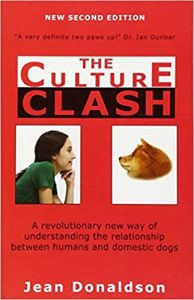
 

In my next installment, I’ll address the concern that some people have that if you use treats that you’ll always have to use treats, every day, for every behavior. I assure you, though treats can still come in handy in some instances, there are many ways to control a dog’s valuable resources, making him earn what he wants in life by doing what you ask, right away.

Resources
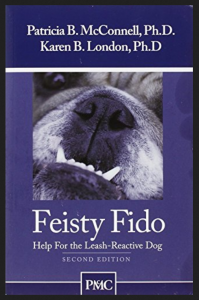
One of the best little books ever about how to work with dogs who are reactive on leash is called “Feisty Fido” by Patricia McConnell PhD and Karen London, PhD. It’s a silly name but a fantastic book that walks you through the process and gives you good “What if” scenarios. It’s a very short read, but thorough enough to really help you. We have it at the store or you can find it here: https://www.dogwise.com/feisty-fido-help-for-the-leash-reactive-dog-2nd-edition/

Locally, we’re lucky to have one of the best trainers around (and the first Certified Behavior Consultant (CBCC-KA) in Oregon) right near the store. Call on Doug Duncan  at Doggy Business – you’ll see a link for Private Training for Aggression on the front page at https://www.doggybusiness.net/


This article is part of a series of articles designed to help you train your new dog:

Congratulations On Your New Puppy! (or adult dog)
What a fun time you’ll have! We very much want your new baby to live a long, healthy, happy life, so we thought we’d compile some of the nitty-gritty dos-and-don’ts of puppy care. Socialization, nutrition, our favorite chews, tips on potty training, etc!

Raising a Puppy (Or Any New Dog) During Covid 19
All of us feel frightened and unsure of how long we’ll be living in this strange, suspended, frightening reality. A new dog is not just a delightful distraction from boredom- that little soul can really be a life raft for your psyche. But, this new-puppy-during-quarantine situation does come with a few unique challenges. How to work on socialization and help to prevent separation anxiety once you go back to work.

What Do They Want? How Should They Get It? (Foundational Thinking For Creating Good Behavior in puppies and kittens! Part One) Often we hapless humans try our best to tell our puppies (and kittens) what we want them to do or especially not do, yet the bad behaviors increase and we struggle to get them to be what we wish they would be, especially when it comes to attention-getting behaviors. I’m here to offer a few rules of thumb for most any behavior you don’t like.

Do I Always Have To Use Treats? (Foundational Thinking For Creating Good Behavior In Dogs Part Three) A lot of people worry about training with treats.
* Do I have to keep giving them treats for everything for the rest of their  lives?
* Aren’t I bribing them?
* I want them to do things because they want to please me.
* I want them to do things right away and I don’t want to have to show them a treat to get them to listen.
 These are all good questions. Here’s how to help your dog be able to do what you ask of them the first time you ask, while continuing to build a good relationship.

Drop It!
We’re continuing our puppy series with discussions of common training challenges. It’s so easy to accidentally create a dog that runs away from you when they get a hold of something they shouldn’t have. Wouldn’t you rather they spit something out of their mouth when you approach? You can do it!

Come!
The “Come!” command is one of the very most important things we can teach our dog. A reliable recall is imperative to get them quickly to safety, to recover them if they happen to get out the door, and to proactively remove them from a situation at the dog park that might evolve into trouble. It’s also a wonderful luxury when you are in a safe quiet place to be able to have your dog off leash and know you can get him right back when you want to. Like the command “Drop It!”, it’s easy to accidentally make mistakes when training this behavior that can undermine your success. Here’s how to succeed in training a reliable recall.




What do they Want? How should they get it?

Foundational Thinking For Creating Good Behavior in puppies (and kittens!) Part One
Often we hapless humans try our best to tell our puppies (and kittens) what we want them to do or especially not do, yet the bad behaviors increase and we struggle to get them to be what we wish they would be, especially when it comes to attention-getting behaviors. I’m here to offer a few rules of thumb for most any behavior you don’t like. First, I’ll say that punishment doesn’t need to be part of the picture. Punishing him for wanting your attention can erode your relationship. It’s sweet that he wants your attention, but he’s asking for it in the wrong way.
A universal truth: Animals do what works for them.

Here’s a little attention getting scenario: You’re talking on the phone, and the puppy starts to whimper and bark at you. You ignore it for a time, and he gets louder. You tell your friend to hang on, and you turn and shout at the puppy, “Stop it! I’m on the phone!”. You go back to your conversation and he goes back to his barking. The trick is to think (in any similar situation) “What does he want?” In this example, he wants you to break away from what you’re doing, look at him, and pay attention to him. Have you just done all of these things? Hmm, he in fact got exactly what he wanted, and he thinks “Oh good. That’s how I get her attention”. You can’t really fault him for trying that again. You have unwittingly rewarded his bad behavior, and it will probably increase. Hurrying and getting a dog’s dinner to him faster just to shut him up really teaches him something you’re not going to enjoy.
Strategy #1: Ignoring behaviors you don’t like can be a useful tactic, though you really really have to be a rock. If he barks and barks and barks and you eventually break and tell him to cut it out, you have taught him endurance. “Bark long enough and they finally listen” is what you’ve taught him. We are no different: when we push the elevator button and the lights don’t light up, we jab at it again, and again, and maybe bang on it a few times before we give up and take the stairs. If we ignore the dog at first and then respond when the behavior escalates, we’ve only taught him, “If barking and whining’s not working, bark louder!” They’re not being turds on purpose, they’re doing what we’ve taught them works. If that elevator button never ever brings the elevator, you’d quickly learn to go straight to the stairs. If they’ve had a lot of practice barking to get attention, count on it getting a little worse before it gets better. Remember how you might have jabbed at that stupid broken elevator button in exasperation before you gave up? That’s called an extinction burst – they try and try and then really try, saying “Why isn’t this working???” Rewarding him when he finally gives up and becomes quiet for a few moments is useful in this moment. Being a rock in the future may help to extinguish this behavior but it can be easier combined with other strategies (read on).

(more…)

Congratulations On Your New Kitty!

Whether you’ve gotten a kitten or an adult cat, we hope that these tips will come in handy for you:

Nothing’s more fun than a new kitten, and we know you’ll have a blast. However, there are some things that we feel are sometimes not well communicated to new cat owners about the long term care of cats that could help you make your kitty’s life as long and healthy as it could be, as well as helping you to avoid behavioral issues in the future.
We might be called Green Dog, but the owners and staff of Green Dog are actually made up of some pretty serious cat people. We know there’s a lot of info in here, especially in the diet section, but after serving the cat community of Portland since 2004, our hearts are often heavy from the overwhelming numbers of cats with chronic illness, much of which we feel could have been prevented with better nutrition. Also, a greater understanding of the behavioral needs of cats could help to prevent or resolve behavioral issues that are very difficult for the humans in the household to live with and often result in cats being given up to shelters.

(more…)

Setting Your Cat Up For Litter Box Success

Both wild and feral domestic cats prefer to eliminate in different areas outdoors every time, covering the scent of their waste in the soil. Luckily, indoor cats are pretty amenable to using a litter box as long as conditions seem acceptable to them. Just know that if they ever start to eliminate outside the box, they’re telling you that something is wrong. Though it may seem to humans that this behavior conveys “spite” this is not the case. Realize that what you’ve asked them to do is against their true nature, so be patient and aware that they need your help to modify the situation.
The general rule is to have one box for every cat in the house, plus one. Don’t force cats to use the same box, and perhaps put some space between them if possible. A bigger box with higher sides keeps mess contained. Hoods can make things  even tidier for a big digger, but not all cats feel safe losing that visibility. If you want to use a hood, get them used to a new box without the hood first, and then pay attention to their reaction. Sometimes a really deep open topped Rubbermaid storage container is the solution for cats that kick their litter everywhere. Put all boxes in quiet, low traffic areas if possible.

Find a litter you both like. Most cats prefer a softer texture such as a scoopable clumping litter. The downside is that all scoopable litters track. Use a good litter mat or a fluffy bath mat to capture the mess. The upside is that when you find a litter that clumps quickly and firmly, removing those clumps leaves very clean litter behind keeping your box nearly odor free. If your clumping litter breaks apart as you shake your scoop, get a new litter and your box will smell fresher. Litter that comes in pellets reduces tracking significantly, but not all cats like the texture. Starting kittens on pellets will likely increase your success. The downside of pellets is that they don’t clump, and urine dissolves them into wet sawdust that is harder to remove entirely. Keep the level of litter shallower than a scoopable litter (just a few inches vs. 3-4” of scoopable) so not as much litter is ruined at a time. Perhaps use a solid spoon or spatula to lift urine spots when scooping pellets. We recommend unscented plant based litters (made from grass, corn, wheat, etc) over clay. These litters are more sustainable than clay, as all clay is strip-mined, it uses more fossil fuels to ship as it’s heavier, and it doesn’t degrade. Plant based litters are lighter to carry and to scoop, they generally clump quickly wasting less litter, they handle odor well, many brands aren’t as dusty as clay (and clay dust is dangerous to breathe), and the bags last longer than clay, saving you money.
Keep your boxes clean. Scoop once a day. Having that extra box mentioned above allows them to find a clean spot if you’ve forgotten to scoop. Cats prefer as little odor from their boxes as possible (as do you). Empty and clean your box regularly. You can spray with an enzymatic cleaner and wipe clean and dry and refill with clean litter, or take it outside and hose and scrub.

Pro Tip: Cats fed dry food generally have more concentrated and smelly urine. Switching to a moisture rich diet helps the urine smell and their health. Even better, a raw-fed cat’s box generally doesn’t smell! Their poops are smaller and firmer and not as stinky, and their urine doesn’t really smell either. If you walk into your house and you can smell your well maintained boxes, look to their diets to solve the problem.

When switching litters, a sudden switch might be upsetting. Use your extra box to introduce a new litter, and if they jump right in and use it, you’re done! If they never use it, try adding a layer of their old litter to the top of the new litter, or put a urine clump from their old box into the new litter. If you happen to only have one box, try to replace clumps you’ve removed during cleaning with the same amount of fresh litter. Eventually your box will be mostly new litter, and the next time you empty your box you can fill it entirely with the new litter. If they boycott their box during the process of switching, go back to the old litter and try a different one in the future.
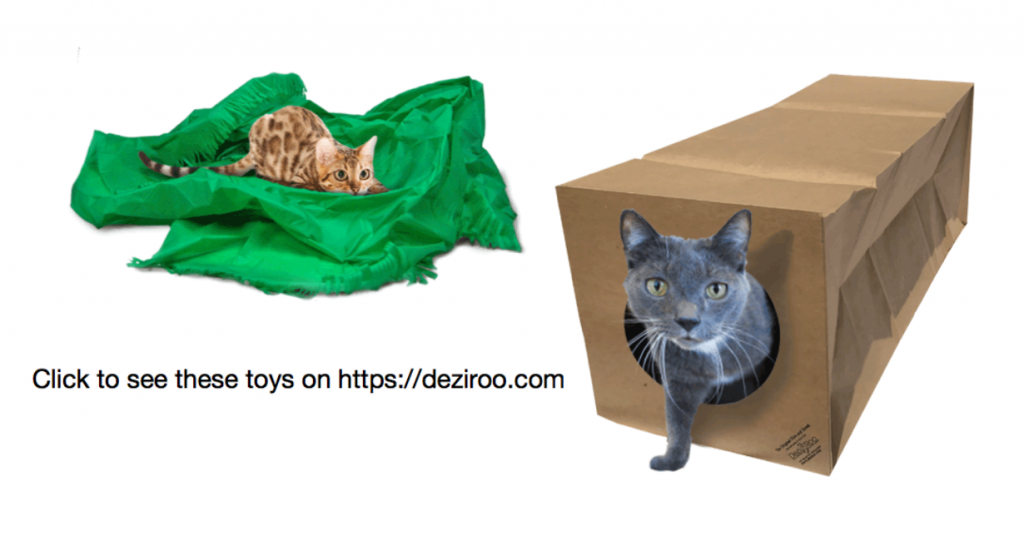
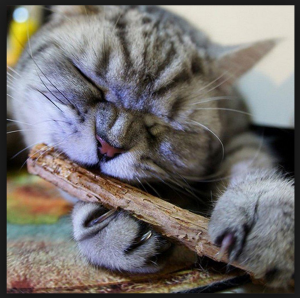
If your cat suddenly stops using their box, the very first thing to do is bring them to the vet to eliminate medical causes such as urinary infections or crystals. When in pain, cats often hide their symptoms. They often associate pain with the litter box and try to find a place to go where it might not hurt as much. Other symptoms can be howling in the box, excessive licking of the genital area, blood in the urine, and frequent attempts to urinate.

If your cat ever visits the box repeatedly, strains to urinate but voids little to no urine, it’s vitally important to rush them to the vet or to emergency care if it’s after hours. Urinary blockages can be a life threatening emergency, especially in male cats.

**Once an infection is cleared, cats often still blame the box for the pain they felt. Dr. Elsey’s Cat Attract litter may help. They also make an herbal attractant that you can add to other litters of your choice. It can be really helpful.

Once medical reasons have been eliminated, one must consider sources of stress. These may include:
– A new member of the household, person or animal.
– A new outdoor cat in the neighborhood who might be  marking under open windows, in a crawl space under the house, on the outside of an entry door, etc.
– Another cat in the household intimidating them in ways you may or may not have noticed.  Their intimidation tactics might seem very subtle to us.
– Humans having frequent disagreements.
– Living with an adult that doesn’t like them.
– Children chasing or harassing them.
– Lack of environmental enrichment/stimulation/exercise.
– The cat finds something about his litter or box that is stressful, such as a change in litter (especially one with a strong scent, relocation of box, change in the room the box is in, etc.

Expelling urine outside the box for many of the reasons listed above would be qualified as “marking”, which is not an elimination behavior, but a sign of territorial stress.

As Dr. Karen Becker, DVM says, “Under no circumstances should you ever punish a cat for improper elimination. Imagine if you were forced to relieve yourself in a dirty, cramped or unnatural spot, with activity swirling around you. Then imagine being punished for finding a more suitable location for yourself. The reason for their behavior may not make sense to you, but it does to your cat, and now is a good time to remember he is, after all, a different species! Your pet needs your help to find the cause of his behavior and fix the problem.Work with your cat, not against him, to help him be comfortable with his potty area”.

Here are some ideas for managing your cat’s environment and lowering his stress to help to resolve the problem: Of course reevaluate your box situation and all of its variables.

If it might be a new person or someone that the cat is uncomfortable around, try to enlist their help and sympathy (as they’d probably like the marking to stop too!) Have them try to stay calm and speak softly near the cat. Have that person gently toss a treat the cat likes in front of him and retreat without approaching too directly. Have them put the food bowl down at mealtimes. They might be willing to play a little with a wand toy or string, etc. No rough or overstimulating touching, like roughing up the fur – let the cat approach them and they don’t approach the cat.

With other cats, children, or new animal in the home:
– Try Feliway Multicat diffusers in the home when the issue might be another cat, and original Feliway in the case of children or a dog.
– Increase the number of scratching areas available.
– Can the space be managed to give them their own areas for a while?
– Look at your common areas and see if you can increase the amount of vertical space for the cat. What if you could put a high-backed chair in between the couch and the mantel to make it accessible to a cat? Cat trees are useful of course, but inexpensive shelves made with scraps of wood and L-brackets can be used to create high spaces for cats to retreat and feel secure (especially useful when there are children or new puppies in the home). If there is another cat, make sure there are no dead ends to the escape routes.
– Ask yourself if the cats would be happier in separate homes.
– Don’t allow puppies or children to chase the cat. Puppies can drag a leash when supervised, and reward the puppy (and praise children) for calmness when a cat is in the room.

If the problem is an outdoor cat, try to block access (to a crawlspace etc). Use Feliway spray on the outside and inside of the doors. Make outdoor areas the cat is spending time in less comfortable – perhaps put down pointy rocks under windows. There are even motion activated sprinklers available (search “Scarecrow sprinkler”)

CBDs are very safe and effective for calming anxiety. We carry a tincture that is completely tasteless for mixing into food, and a few that are in treat form.

Interactive playtime and enrichment is very important every day for all cats, but especially for a stressed or bored cat. Is your cat a jerk? He might just be really bored. A happier cat is often a nicer cat. Look for novel materials that you can leave on the floor for them to investigate for a day and then recycle them when boring. Put down a big wad of tissue paper or other kind of crumpled packing papers that they can investigate. Pull out a wand toy and make it act like prey hiding in the paper. The next day put a big cardboard box that you cut a few big and small holes in. Let them investigate for a while, and then play with a wand toy through the holes. The next day open some paper shopping bags and leave them open on the floor. Be creative – shredded paper is different than tissue paper – how many different things can you find? We also carry paper and fabric tunnels and “Ripple Rugs”, etc that you can put down for a few days and put away, rotating them to reduce boredom. Playing with them is important. Neat resource for ideas

Lastly, cats (especially those with excellent nutrition and care throughout their lives) can live into their 20s. But when cats reach a certain age  can often become confused or stressed, especially at night. They might seem to be forgetting elemental things, like where their box is. You may need to add additional boxes in the home in places that they seem to be spending more time (as opposed to hidden in the back of the basement). Perhaps add a nightlight near their litter box, use litter attractants, or if the cat seems restless at night or howling excessively, try an unflavored  CBD tincture in a bit of canned food before bedtime, or a Feliway plug-in.


Talk to us – we’re here to help brainstorm.

Products We Love: Silver Vine for Cats

Many people know that catnip can create a euphoric and playful feelings in many cats, but other cats don’t seem to be affected. There are actually several other plants that could create this same effect, especially one called silver vine, which is in the kiwi family. Interestingly, a recent study shows that more cats reacted to silver vine than to catnip, and moreover, almost 75 percent of the catnip non-responders responded to silver vine.
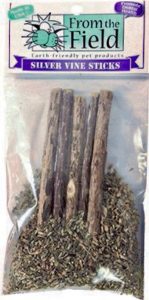
If your cat hasn’t enjoyed catnip, or even if he loves catnip, you should really give silver vine a try. Our cat Otis likes catnip OK, and mostly wants to lick it, but Silver vine really holds his interest, and even stimulates him to play with soft toys on his own when it’s applied to them (which is unusual for him, as he prefers interactive play). He also loves rubbing his face on the ends of the sticks when we hold them for him, and many cats like to chew on them, perhaps adding a dental health benefit.  The effects for Otis seem strongest when he doesn’t smell it every day. Every few days we pull out the sticks or a silver vine sprinkled toy and it’s all new again. 
We’ve brought in products from From The Field including a locally made silver vine/catnip blend in small “dime bags” to try, and in 1oz containers for those that want more.
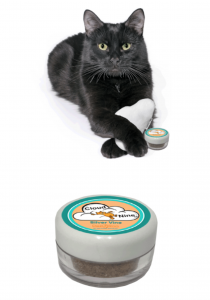
We also have a multi-pack of sticks from the same Washington company, nested in dried silver vine leaf, and a also cloud shaped soft toy that comes with a little tin of finely ground silver vine from Dezi Roo that you can sprinkle onto it and other toys. Happy playtime, kitties! They also have a good article about Why Silver Vine Is Better Than Catnip.

Offering cats novel objects and smells are key to keeping them happy and behaviorally healthy. Experiment with Silver Vine to see if it can add some spice to their lives!