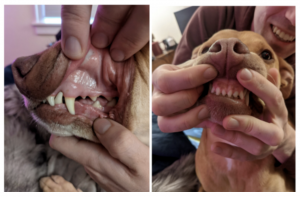
Green Eggs!

Joint Pain and mobility Support.

Photo courtesy Cindy Wang

It’s fantastic to find a product that helps to lessen or eliminate the need for NSAIDs (Non steroidal anti inflammatory drugs to manage joint pain . NSAIDs come with risks, as they have have been linked to ulcers, liver and kidney damage, and and even damage to a dog’s joint and soft tissues. 
Not only have we had success with our own dogs with Four Leaf Rover’s “Green Eggs”, we hear from our customers who have had good experiences as well. Dogs seem to love the taste!

Photo courtesy Four Leaf Rover


Don’t forget the value of prevention – a supplement like this can help to maintain the healthy joints your dog has by strengthening your dog’s joint capsules. Perhaps you can avoid the heartbreak of watching your dog’s joints begin to degenerate as they age.

Sustainably sourced Ingredients:

Freeze Dried Green Lipped Mussels, native to New Zealand, contain omega-3 fatty acids, which Laboratory and animal studies have shown can have anti-inflammatory and joint-protecting properties.

Natural Eggshell Membrane (NEM®) is a novel dietary supplement that contains naturally occurring glycosaminoglycans and proteins essential for maintaining healthy joint and connective tissues. Clinical trials win humans have shown Supplementation with NEM® produced a significant treatment response at seven days for flexibility (27.8% increase) and at 30 days for general pain (72.5% reduction) Clin Interv Aging. 2009; 4: 235–240.

Poria mushroom: It’s been used for 2,000 years in traditional Chinese medicine, and one of it’s benefits is that it’s high in antioxidants. Studies in mice have shown great promise of help with cancer and cognitive disfunction Read more here.  In mice studies, they showed that Poria helped the brain clear beta-amyloid (ßA) from the brain (that cause Alzheimers). In another mouse study, Poria mushrooms demonstrated possible beneficial effects on bone health. (I’m a strong believer that we all should be dipping into medicinal mushrooms!)

Curcumin (a substance in Turmeric) may help to reduce inflammation. Several studies suggest that it might ease symptoms of osteoarthritis

TESTIMONIALS:

– A testimonial from a former Green Dog employee, Becky, about Four Leaf Rover’s Green Eggs:
“Greta (an older girl) was limping pretty badly on Monday . Her hips  have been pretty sore and it caused her to fall on Sunday evening and hurt her leg a bit. A day after starting the powder she has stopped limping and her legs and hips seem better . Plus she can get up and down more easily than she has for awhile .

– Gail K: “Our 7 year old Rhodesian Ridgeback was having joint problems, slight limping. Vet X-rayed and found mild arthritis but it seemed he was limping more. I purchased the Green Eggs, while not immediately, but after a few weeks he was limping less. Now, on our third jar, he’s not limping at all. He also loves the taste”.

– Robin R:” My 11 year old Brittany was showing signs of discomfort. She was no longer being her active self, running around exploring off trail on our daily hikes. She had begun to walk stiffly and I was worried about possible arthritis setting in. Thankfully, after a couple of weeks on Green Eggs she is back to her active happy self with no signs of stiffness Read more about review stating Green Eggs worked to relieve my Brittany’s stiffness.”

– Donna C: “My young Shiloh Shepherd became lame and was scheduled for TPLO surgery. Between hydro therapy and green Eggs Joint and Mobility Support he is running and jumping. Cancelled the surgery!
Dolly T: “I can’t say enough about this product!!! We were a hair’s width away from putting one of our chihuahuas down because of excessive health problems. We bought this and almost immediately we saw drastic improvements in her life!!!! All I can say is hallelujah to green eggs!! ”

Rosa R: “Great product for TPL surgery recovery! My Chocolate lab had TPL surgery and her other leg had a slight tear in it. They wanted to do surgery but because of the pandemic I held off and decided to give her this product, I have been using it for over 9mths now and my girl is really doing well, she doesn’t limp anymore and she can be off-leash now more often. I am very pleased with this product.

Read more here about Green Lipped mussels for dogs.

PS: (We’ve also had great feedback about Four Leaf Rovers’ Green Lipped mussel oil as an amazing and more sustainable alternative to fish oil).

Remember: We think it’s a good rule of thumb to introduce all new supplements slowly. Start with a pinch and increase in small amounts towards the full dosage to avoid digestive surprises or unknown sensitivities to certain ingredients.

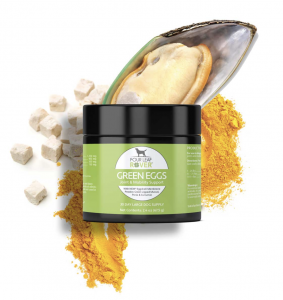
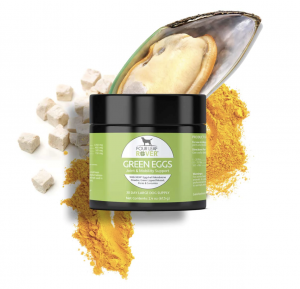
Green Eggs Joint Pain and Mobility Support

Photo courtesy of Four Leaf Rovers

It’s fantastic to find a product that helps to lessen or eliminate the need for NSAIDs (Non steroidal anti inflammatory drugs) to manage joint pain . NSAIDs come with risks, as they have have been linked to ulcers, liver and kidney damage, and and even damage to a dog’s joint and soft tissues! 
Not only have we had success with a few of our own dogs with “Green Eggs”, we hear from our customers who have had good experiences as well. Dogs seem to love the taste! Don’t forget the value of prevention – a supplement like this can help to maintain the healthy joints your dog has by strengthening your dog’s joint capsules. Perhaps you can avoid the heartbreak of watching your dog’s joints begin to degenerate as they age.

SUSTAINABLY SOURCED INGREDIENTS: 

 Freeze Dried Green Lipped Mussels:  Native to New Zealand, these mussels contain omega-3 fatty acids, which Laboratory and animal studies have shown can have anti-inflammatory and joint-protecting properties. Read more here about Green Lipped mussels for dogs:  (We’ve also had great feedback about Four Leaf Rovers’ Green Lipped mussel oil as an amazing alternative to fish oil)

 Natural Eggshell Membrane (NEM®): NEM is a novel dietary supplement that contains naturally occurring glycosaminoglycans and proteins essential for maintaining healthy joint and connective tissues. Clinical trials win humans have shown Supplementation with NEM® produced a significant treatment response at seven days for flexibility (27.8% increase) and at 30 days for general pain (72.5% reduction) Clin Interv Aging. 2009; 4: 235–240.
– Poria Mushroom:  (Poria cocos) is a type of mushroom. It’s been used for 2,000 years in traditional Chinese medicine, and one of its benefits is that it’s high in antioxidants. Studies in mice have also shown great promise of help with cancer and cognitive disfunction  In mice studies, they showed that Poria helped the brain clear beta-amyloid (ßA) from the brain (that cause Alzheimers). In another mouse study, Poria mushrooms demonstrated possible beneficial effects on bone health. (Personally, I’m a strong believer that we all should be dipping into well sourced medicinal mushrooms!)
Curcumin: Curcumin (a substance in Turmeric) may help to reduce inflammation. Several studies suggest that it might ease symptoms of osteoarthritis.

TESTIMONIALS:- A testimonial from a former employee, Becky:

“Greta (an older girl) was limping pretty badly on Monday . Her hips have been pretty sore and it caused her to fall on Sunday evening and hurt her leg a bit. A day after starting the powder she has stopped limping and her legs and hips seem better . Plus she can get up and down more easily than she has for a while” .

A few From the 87 reviews on Four Leaf Rovers:

Photo courtesy of Cindy Wang

– “Our 7 year old Rhodesian Ridgeback was having joint problems, slight limping. Vet X-rayed and found mild arthritis but it seemed he was limping more. I purchased the Green Eggs, while not immediately, but after a few weeks he was limping less. Now, on our third jar, he’s not limping at all. He also loves the taste.”

– “My 11 year old Brittany was showing signs of discomfort. She was no longer being her active self, running around exploring off trail on our daily hikes. She had begun to walk stiffly and I was worried about possible arthritis setting in. Thankfully, after a couple of weeks on Green Eggs she is back to her active happy self with no signs of stiffness”
 
– “My young Shiloh Shepherd became lame and was scheduled for TPLO surgery. Between hydro therapy and green Eggs Joint and Mobility Support he is running and jumping. Cancelled the surgery!”
 
– “This product is remarkable! In just one dose I saw a difference in my GSD. His hips and back are in terrible shape. This product helps provide comfort. He loves it. I love seeing him more comfortable”.
REMEMBER: A good rule of thumb with  ALL new supplements is to start with a pinch and build up slowly to avoid digestive surprises.

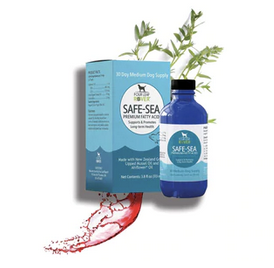
SAFE SEA GREEN LIPPED MUSSEL OIL!

Photo from Four Leaf Rovers

Fish oils are of course very helpful for skin and itch issues, as well as being very supportive to brain and eye health, and they’re good at helping to fight inflammation.
We do try to stock the most sustainable brands we can find, but the truth is that removing great quantities of fish and krill from the ocean leads to declining populations of larger sea animals and whales because they’re robbed of their food source. Big fish are also easily contaminated with mercury, PCBs and dioxins.
Safe-Sea’s Green Lipped Mussels from Four Leaf Rover are so sustainable! Grown in clean water in New Zealand, mussels grow along ropes where they soak up phytoplankton from the water. Phytoplankton grows from sunlight, so their mussels don’t have to compete for their food source with marine life. As a bonus, by controlling phytoplankton it in turn manages algae blooms.
While most fish oils only contain two fatty acids, Green Lipped Mussel Oil contains 30! According to a study published in “Inflammopharmacology” in 1997, the phospholipids in mussel oil make it 158 times more effective than fish oil. Green Lipped Mussels are one of the only generous sources of an important anti-inflammatory omega-3 called ETA, which can help regenerate cartilage in a dog with arthritis.
They pair it with Ahi Flower, which is a powerful plant, rich in omega fatty acids. One of those is omega-6 fatty acid called GLA which helps reduce inflammation and promotes good skin health. Ahiflower produces a precursor for EPA, which is an anti-inflammatory omega-3 in fish oil that also helps with hormone balance and supports your dog’s coat and skin. Astaxanthin, a powerful antioxidant, gives it its beautiful ruby red color.

The blend of Green Lipped Mussel Oil and Ahiflower create a super source of omega fatty acids making this a high quality oil for dogs.  (Note: Cats should not consume Ahiflower)

We always like to remind folks when starting any new supplement, to introduce it in small amounts, slowly building to the recommended dose.

Lumps and Bumps? Warts? Cancer? Medicinal mushrooms to the rescue!

photo by Christine Mallar

Among MANY other benefits, medicinal mushrooms are amazing for supporting the immune system and for shrinking growths. We’ve seen amazing results! Papillomas (warts with a cauliflower appearance) are somewhat common in puppies or animals with compromised immune systems (cats too). They are viral in nature and can be transferred to other animals. We’ve seen great results, shrinking/eliminating them with medicinal mushrooms. We’ve even seen dramatic shrinking of large tumors! (See photos below)These medicinal mushrooms are non-hallucinogenic and non-toxic.

We carry 3 brands of Medicinal mushrooms: Four Leaf Rover, Bixbi ,and we also carry Lazarus Naturals Calming chews with mushrooms(we’d suggest rotating between them).

These medicinal mushrooms are carefully grown and selected and they contain both the fruiting bodies and mycelium. They are well researched and are reported to have the following benefits: Helping to maintain a normal inflammatory response, antioxidant protection, helping to support liver and kidney function, helping to support blood sugar and blood pressure to be within normal ranges, helping to maintain normal histamine levels, and supporting seasonal skin allergies.”

Four Leaf Rover says, “The mushrooms in Immunity have been hand-picked to help support your dog’s immune system. Our double extraction process makes sure that the beneficial beta-glucans and triterpenoids are bioavailable and ready to help balance your dog’s immune system. You can expect high-quality from Immunity because all of our mushrooms are grown on real wood in greenhouses. This is not a common practice, as one might think. Most mushroom products are mycelium and grown in bags of oats, sorghum or other grains. This process is cheaper for the manufacturers and the whole mushroom (which is the source of  beta-glucans and other active ingredients) is never actually used. This results in a “mushroom” product that lacks highly rich components your dog deserves. Even though the FDA doesn’t allow mycelium products to call themselves “mushrooms” on their labels (because its lacking key properties), it still happens. Manufacturers get around this by adding trace amounts of the fruiting body just so they can call their product ‘mushroom’.

Bixby says, “We take the full spectrum approach with mushrooms. We include mycelium, extra-cellular compounds, primordia, and fruitbodies. BIXBI supplements are certified organic by Oregon Tilth. Our mushrooms are also great for cats!”

Here are a few testimonials about Four Leaf Rovers Immunity mushrooms:
“I bought this product for my aging dog, to help support her immune system and in the hope that it would help with her fatty lymphomas. Not long after buying this mushroom powder and adding it to her food every day, I saw a reduction in the size of many of her lumps. She had a lump about the size of an egg in her throat area for years with no change in size. Now….I can hardly find it. She had one on the inside of each thigh and now they are less than half the size they were before. She had one in the front of her ear that had continued to get bigger, but now it is completely gone. While I can’t prove that this product is responsible for the shrinking lumps….I don’t know what else it could be. She had the lumps for years with no shrinkage until I started this product”

“I Had a 10-month old GSP diagnosed with IMHA. There are a number of antibiotics she can’t take because of her condition. On 8/31 she developed a papilloma on her lower right lip. By 9/15 it had turned into a cauliflower. I started her on IMMUNITY on 9/20 and by 9/28 the papilloma was gone!”.

And a few more success Stories about Medicinal mushrooms:

“I have an American bull dog who desperately needed skin support. We changed foods, added supplements, changed laundry detergent, weekly bathing. Nothing seemed to keep it at bay. I started adding this to her diet and we started seeing improvements right away. I wish the dosing was a little easier but I did ask some questions from the website chat and the person I spoke with had a sharpei with bad skin, and medicinal mushrooms were AMAZINGLY helpful! I hope to try more products in the future! I am recommending this to all my grooming clients with seasonal allergy issues”.

“My dog does Parkour Now! Our Dog I wouldn’t consider “old” but he just turned 6. He’s a shihtzu mix. He’s has pretty bad seasonal allergies, skin issues etc.. not only did this immensely help his allergies and skin issues but now I can tell he has so much more energy. Not that he acted old or anything, but I can tell that now he is getting so many more nutrients that he is happier and has more energy to jump and play around! We have definitely noticed lots of positive benefits that we weren’t expecting. It’s crazy how much happier and how much better your dog feels after getting the proper nutrition. We will definitely purchase again and recommend to literally everyone!”

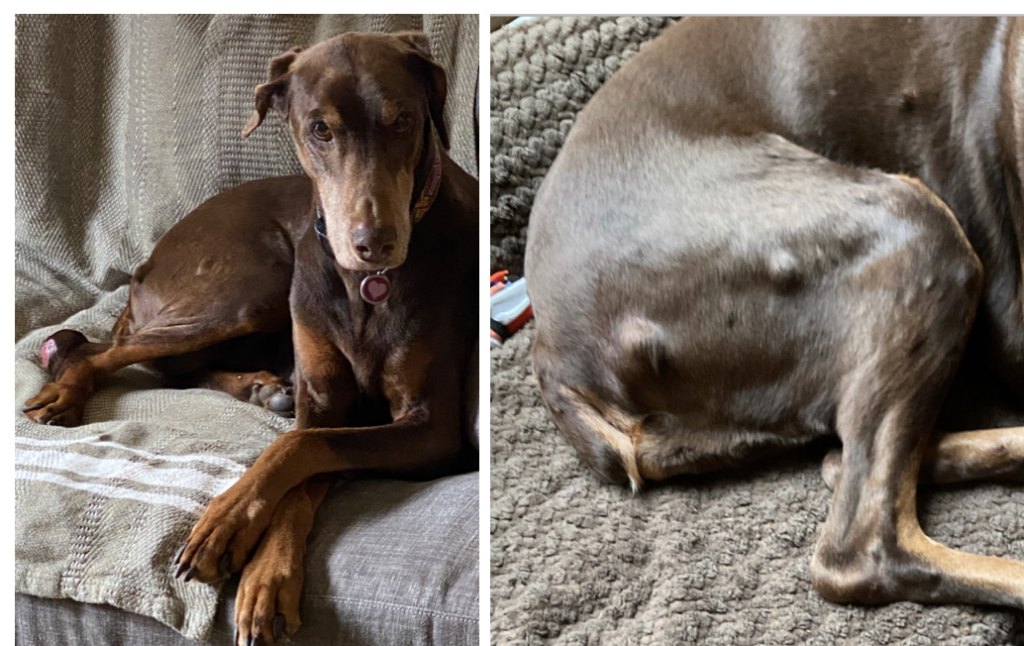
Our most surprising customer testimonial about medicinal mushrooms was  this doberman who had a large tumor on her back right hock/ankle. Now you can’t even see where it was on that ankle.(Photos from V. Harrer)

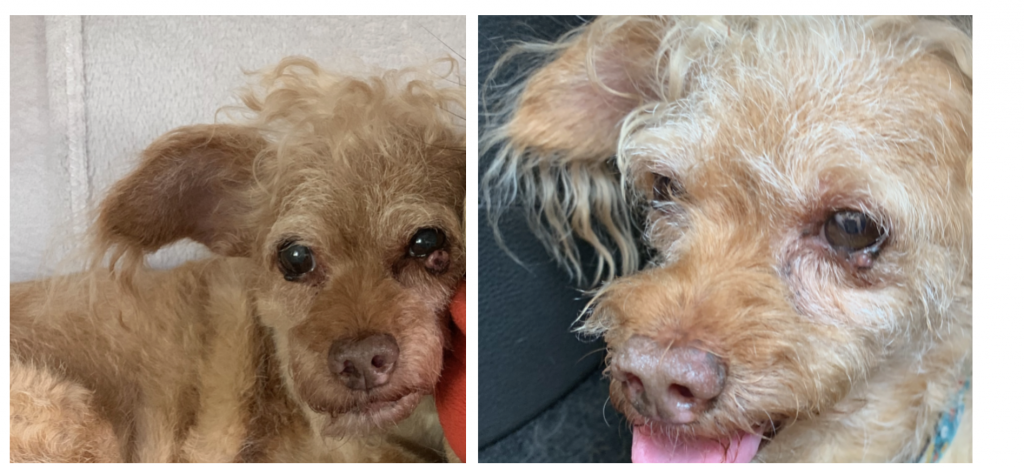
Another exciting change was seen  when a long time customer brought her dog Fibonnaci last year for help with calming products for the upcoming July 4th. We hadn’t seen him in  little while and while I was greeting him, I noticed a lot of little growths had sprouted since last time I’d seen him. Especially significant was the one growth that was right on his lower eyelid. She mentioned  to me that he was scheduled to be removed, as it was irritating his eye. We went over to our supplement area and I showed her the Lazarus Naturals Calming chews. It occurred to me that it was also a good product to pick out as there were also Medicinal mushrooms in that formula, which I thought couldn’t hurt.

Several weeks later she came back into the store saying that the calming part of the Lazarus worked nicely for the fireworks, and that the size of the growth near his eye had shrunk significantly! They were able to cancel the surgery!

Fibonacci's growth

Before and after

Remember:
– These recommendations shouldn’t take the place of a veterinary consult to get lumps and bumps diagnosed.
– Good reviews are many, but they don’t guarantee results for everyone.
– All new supplements should be started with a pinch and then build up slowly to the recommended dose to avoid digestive surprises.
– A little bit of canned food is a perfect way to make sure they get the whole amount of any supplement and also so that picky dogs agree to eat these new things.
– I take medicinal mushrooms myself, and I feel like they have kind of a strong flavor, but many reviews mention that their dogs love the taste!

Cool New Product – “Digest”

Photo by Christine Mallar

Do you have an older dog?

Does your dog eat a heat processed food diet like kibble or cans?

Does your dog have a history of pancreatitis?

Does your dog have trouble digesting his food or frequent flatulence?

Does your dog have acid reflux or a rumbly tummy?

Digest might be for you!

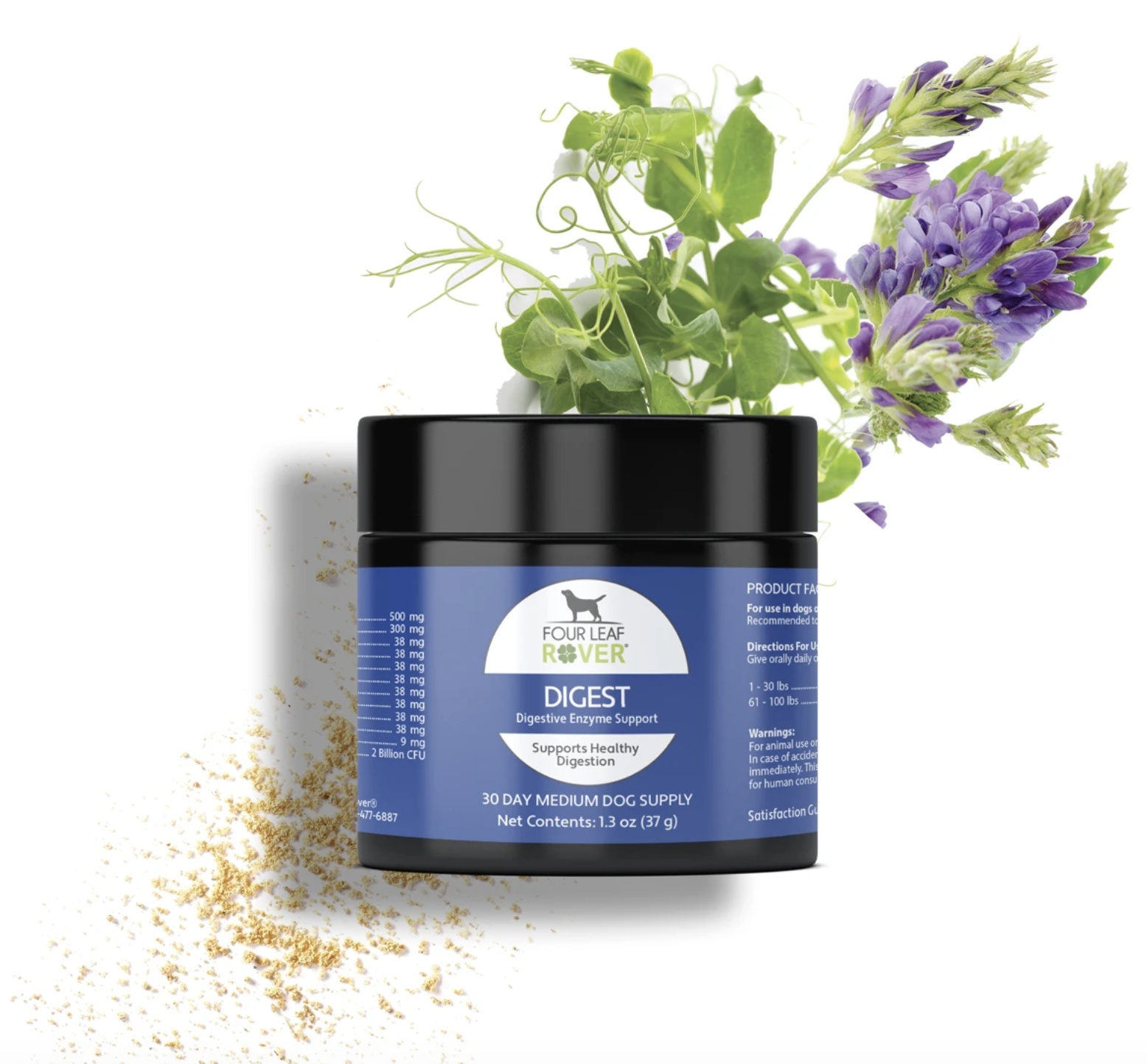
Photo courtesy Four Leaf Rover

Digestive enzymes are proteins that help break down food molecules into smaller pieces.

Enzymes help digest your dog’s food and kick-start most of the metabolic processes in your dog’s body.
Your dog can produce many of his own enzymes … but if he’s eating cooked/heat-processed food, he may not make enough which can ultimately strain the pancreas. If a dog consumed food in the wild like wolves and coyotes, its diet would be loaded with beneficial enzymes. But today, most heavily processed commercial dry or canned dog foods lack enzymes.
Enzymes are heat sensitive and deactivate easily when exposed to high temperatures. Adding digestive enzymes to your dog’s meals can help support his pancreas, organs and immune system.

          Veterinarian Dr PJ Broadfoot said in a 2018 paper:

“Supplemental enzymes are needed to replace those destroyed by cooking and processing food. Processing and cooking at any heat of approximately 118°F to 129°F (48°C to 54°C), for as few as three minutes, can destroy virtually all enzymes, which results in very little pre-digestion taking place in the stomach. Thus, what’s left of the food mass enters the small intestine largely undigested. This puts the pancreas and other organs of the endocrine system under tremendous stress, since they have to draw reserves from the entire body in order to produce massive amounts of the proper enzymes.”

Commercially made raw foods can contain more active enzymes than kibble or cans, but also could benefit from supplementation. Note: Fermented raw foods (like the Answers brand foods or their fermented goat’s milk, cow kefir or fermented turkey or fish broths) are richer in digestive enzymes and probiotics than typical raw food diets, and make a great addition to a processed food diet.

When a dog has had a case of pancreatitis in the past, it’s often helpful to supplement with digestive enzymes. If the pancreas isn’t working properly, it’s not going to produce the digestive enzymes your dog needs.

The pancreas is the main digestive organ of the body. While a small percentage of the pancreas produces hormones that regulate blood sugar; around 95% of it produces enzymes for digestion. When dogs have chronic pancreatitis (not the acute form, but continued symptoms of discomfort that come and go), they might benefit from digestive enzymes.  Over the course of years the inflammation caused by chronic pancreatitis can even lead to irreversible damage to the pancreas, including to the cells that secrete pancreatic digestive enzymes and the cells that produce insulin, which could lead to diabetes. It can also lead to Exocrine pancreatic insufficiency (EPI).

Digest contains grass-fed New Zealand bovine pancreas, the purest source of enzymes. It’s a pure and natural source of the enzymes protease and trypsin (they break down proteins), amylase (which helps to digest carbohydrates; Dogs can make some amylase, but don’t make a lot of it because in the wild they wouldn’t have eaten starchy food), and lipase (digests fat).

Digest can also support the liver. It contains organic broccoli sprout powder, a natural source of sulforaphane, a powerful source of enzymes that trigger liver detoxification pathways.

 Digest o alshas the addition of a blend of soil based probiotics and natural prebiotics to make Digest a complete digestive aid for dogs of all ages.Other ingredients:

Photo by Christine Mallar

Organic Alfalfa juice powder: This green powerhouse is a rich source of antioxidants, vitamins, and minerals, and contains eight essential amino acids. It can support health conditions from detoxification to digestion, and can boost the immune system. It can also help to aid in the assimilation of protein, fats and carbohydrates in the body. It’s made by first juicing alfalfa grass which removes the cellulose that dogs don’t digest well, then making it into a powder.

Betain HCl: This nutrient and a source of hydrochloric acid is a naturally occurring chemical in the stomach that helps digest food by breaking up fats and proteins. It facilitates nutrient absorption, stimulates the flow of bile and pancreatic enzymes, and helps prevents bacterial and fungal over-growth. Essentially, it makes the stomach a little more acidic which makes it do its job better.

Nettle leaf powder: Nettle is abundant in fiber, protein, calcium, iron, magnesium and vitamins A and K.

Bromelain: is a group of enzymes found in the fruit and stem of the pineapple plant. A review of clinical studies found that bromelain’s anti-inflammatory and analgesic properties also make it an effective treatment for the pain, soft-tissue swelling, and joint stiffness associated with osteoarthritis.

Invertase: an enzyme that assists the breakdown of sucrose.

Nettle leaf powder: Contains many nutrients, minerals and amino acids. Also contains flavonoids, Beta-carotene, lutein, luteoxanthin and other carotenoids (which have beneficial anti-inflammatory and antioxidant effects, protecting cells from oxidative damage that can lead to disease).

Ox Bile powder: Bile is a complex, vital, and unique fluid produced by the liver to aid in the digestion of fats in the small intestine.

Papain: This is an enzyme found naturally in the fruit of the papaya plant (Carica papaya). The enzymes help break down proteins. In alternative medicine, papain is touted as a natural pain reliever. It also may aid in the treatment of allergy, diarrhea, and indigestion.

Cellulase: an enzyme that breaks down the cell walls of plants. Cellulase is an enzyme that dogs can’t manufacture themselves. Because of this, dogs and cats are inefficient at digesting grains or plant materials.

Bacillus coagulens, Bacillus subtilis: these are probiotics. Bacillus strains are best at surviving stomach acid and making it to the large intestine.

With any new supplement, we always encourage starting with a pinch, and slowly building up to the proper dosage

Cool New Product – “Protect” Probiotics

Does your dog suffer from occasional or chronic loose stool? 

Does your dog eat dirt?
Does your dog eat poop?
Has your dog been on antibiotics or metronidazole recently?
Read On!

We’ve recently discovered an amazing company that sells unique products for dogs called Four Leaf Rover. They’ve made fabulous choices when it comes to ingredients that can truly help dogs heal from or prevent chronic health issues. I will introduce you to some of our favorites in separate blog posts so you can get acquainted with them and learn about why they might work for your dog.
Everyone knows that probiotics can be useful to dogs, especially after having to be on antibiotics or drugs like metronidazole that can damage the gut flora and lining of the gut. We’ve brought in 3 formulas of probiotic, each designed to support dogs in different ways. This one is the first that I’d like to tell you about: “Protect” Probiotics.

The basics:
Protect is an ideal daily probiotic. It’s perfect for using after a round of antibiotics, and is actually excellent for use DURING a course of antibiotics to protect the gut from antibiotic damage. It’s useful for intermittent or chronic loose stool. Additional ingredients are excellent for detox to get rid of free radicals and toxins. It’s perfect for dogs who eat dirt and poop.  Here are the details of how it can do all of those amazing things:

Cool things about Protect Probiotic:

Our friend Dr. Keith Weingardt DVM says that when dogs eat dirt, they’re not actually seeking minerals (though there may be benefit in those) but their bodies are likely craving soil based probiotics. The most common bacteria in soil based probiotics are Bacillus species. Bacillus strains have been shown to support both human and animal microbiomes. About 90% of your dog’s immune system lives in their gut. So these colonies are the foundation of your dog’s immune system, protecting them from disease. Humans benefit from soil based probiotics as well, but humans have largely moved away from being involved in food production and therefore aren’t exposed to as many natural ways to access these soil based organisms that might ride along in trace amounts of soil still adhered to vegetables. As a kid I remember popping pea pods into my mouth as I picked them, or pulling up a carrot, brushing as much soil off of it as I could and eating that carrot on the spot. My aunt and uncle had a cow and later some goats that they’d milk. Nowadays our food system has had to deal with more food born pathogens, resulting in the sterilization of our produce, as well as treating them with chemicals to reduce pests and weeds. Soil-based microorganisms are no longer living in the dirt of most farms. These practices have distanced us from the possibility of interacting with and ingesting small amounts of healthy soils from chemical free regenerative farming methods. Studies have shown that children that grew up on farms have stronger immune systems than kids that didn’t. Dogs do find ways to play in mud and interact with dirt, but compromised dogs can benefit from supplementation with specific Soil Based Organisms, unadulterated by lawn chemicals, etc.

“Protect” Probiotics contain two Bacillus species of soil based probiotic organisms.  Research confirms Bacillus species can produce nor-epinephrine and dopamine to support healthy brain function.
Bacillus strains in soil-based probiotics play especially important roles in the immune system, including strong antibacterial action, potent antioxidant to repair cellular damage, and Immune cell regulation.
Feeding soil-based probiotics also helps the immune system build antibodies. Studies show soil-based probiotics increase production of immunoglobulin A (IgA), which helps repair pathways protect your dog’s gut lining. In the livestock industry, they’ve even found Bacillus can boost pigs’ immune function by improving intestinal mucosa structure and tight junctions. So, soil-based probiotics can help prevent immune-damaging leaky gut.
Soil-based organisms are especially useful if you’ve given your dog antibiotics or vaccinations. You should also feed SBOs during stressful times like travel or competition.

Note: It’s important for animals not to take probiotics that have lactobacillus right after having had antibiotics. Lactobacillus has great benefits at other times, but when they’re given during or after antibiotic use, Lactobacillus probiotics can delay the microbiome’s recovery. This can leave your dog susceptible to even worse health problems.
“Protect” can actually be fed at the same time as antibiotics as Bacillus spores actually shield them from antibiotic damage! So you can give them to your dog at the same time as antibiotics … without worrying the antibiotics and probiotics will interfere with each other! This practice can help to reduce damage to the gut from antibiotics.

Bacillus’ antioxidant support helps your dog’s body fight cell damage from oxidation. Oxidation leads to premature aging and a weakened immune system. But SBOs (Soil Based Organisms) can help repair damaged cells. Research has found that certain Bacillus strains can promote intestinal tissue repair and antioxidant activity.
Soil-based probiotics are potent tools against inflammation. Research on rats showed that SBOs can protect against and manage rheumatoid arthritis. Systemic inflammation can lead to cancer, IBD, etc. Researchers have found anti-cancer effects in many Bacillus strains. One study showed novel Bacillus strains inhibited ovarian and colorectal cancer cells, and Bacillus subtilis can also inhibit the growth of human breast cancer cells. Soil-based probiotics have also been shown to improve the benefits of other nutraceuticals given at the same time. That means your dog will get the most out of all of their cancer supplements. Even if your dog does not have cancer, the fact that 50% of all dogs will have some sort of cancer in their lifetimes should make us focus on prevention.

Free radicals in the body can come from toxins your dog gets exposed to. Your dog can be exposed to toxins from all kinds of things in their life, like:
Vaccines (some of which may have heavy metals)
Heavily processed dog food (acrylamide)
Medications
Flea, tick and heart worm preventives (pesticides)
Yard chemicals (herbicides and pesticides)
Household cleaning products
Radiation treatments or radiation in the environment (radon)
Dioxins found in the air, fish and dairy products (fish can also have other contaminates)

Other cool Ingredients in Protect 
(many of them are aimed at detoxing the body from these toxins):

—Blueberries have the most antioxidants of any fruit. They’re full of vitamins like A, C, E, K, folate and choline. they deliver some minerals too … like manganese, calcium, iron, magnesium, phosphorus, zinc and potassium. They help to fight free radicals that can lead to cancer, etc and Studies show that blueberries control inflammation, which reduces the risk of chronic disease, arthritis, heart disease and cancer. Studies show blueberries have strong effects on brain health and memory, eye health, and have found that blueberry supplementation can improve the gut microbiome … and even help heal leaky gut syndrome! Anthocyanins are part of the reason for this effect … because of their anti-inflammatory properties. In one study, sled dogs ate blueberries to boost antioxidant levels and they discovered that they could recover faster after competition, as blueberries helped reduce post-exercise oxidative stress.

Bentonite clay Bentonite is a negatively charged, highly absorbent clay. It can help digestive    disturbances like constipation, bloating, gas, Skin and allergy issues, and recovery from vomiting     and diarrhea. Its effectiveness is due to its negative charge. This allows it to pull positively charged toxins from the body. Then together they are eliminated through your dog’s stool.

Chlorella is a single-celled, freshwater green micro algae that is getting a whole lot of attention from researchers. And that’s because chlorella has been linked to a variety of potential health benefits.Chlorella is an immune booster, detoxifier, gastrointestinal aid and more. Researchers looked at the effects of chlorella on blood lead levels. It reduced toxicity by 66.03% when supplemented during exposure. Other studies looked at chlorella’s effect on cadmium and mercury. In both studies, chlorella helped reduce the amount of heavy metals stored in the body. In 2001 researchers extracted chlorophyll (plant pigment) from chlorella. The chlorophyll effectively stopped the absorption of dioxins and increased their removal. In 2016, researchers successfully used chlorella as a detoxifier for radioactive strontium. 
Chlorella is a prebiotic that feeds good bacteria so they can restore and maintain a healthy gut. And according to one study, it can help increase the growth and survival rates of probiotics. Chlorella contains a powerful compound called CGF (Chlorella Growth Factor). CGF contains nucleic acids in the form of RNA and DNA ,which support cellar regeneration. When your dog eats food rich in nucleic acids it helps protect your dog’s RNA and DNA. This protects his cells so that they’re better able to fight off disease and illness. We should all be ingesting more micro algae like Chorella!

Dandelions are a great way to strengthen your dog’s liver. They are also a good source of magnesium, (low magnesium may contribute to chronic inflammation and joint issues. It’s also an important part of collagen synthesis.) It also contains calcium (which is good for reducing inflammation in joints), iron, and zinc (to help collagen synthesis). It’s also a good prebiotic.

Burdock root contains active ingredients in its root system that can remove toxins from the bloodstream. Studies show “potent inhibitory effects” on cancer growth caused by cancers like pancreatic carcinoma. One study found burdock root significantly interfered with cancer cell growth. It’s also a great source of trace minerals and is a good prebiotic.

HumicSure  contains more than 70 micronutrients in biologically up-takable form. (The deficiency of minerals and micronutrients can block the function of enzymes and vitamins responsible for transforming nutrients into energy and biochemical building molecules). These Humic substances were formed during the decomposition pathway of plant biomass over millions of years. Humic acid cannot be absorbed from the intestinal tract but plays a very important role in buffering the pH, in the absorption matrix preventing the absorption of toxins, bacteria stimulation, and nutrient uptake. In short, Pure Humic Acid is very effective at cleansing the colon, and blocking the absorption of toxic materials into the body.

Saccharomyces boulardii is a probiotic yeast – It helps fight diarrhea and yeast infections and unlike other probiotics, it can’t be killed by antibiotics. That means it can be given during antibiotic treatment.

– Bacillus coagulans & Bacillus subtilis which are the actual Soil Based Organisms/probiotics

With any new supplement, we always encourage starting with a pinch, and slowly building up to the proper dosage

Notes:
Protect Probiotic can be used together or alternated with Bifido For Fido and Gut Repair.
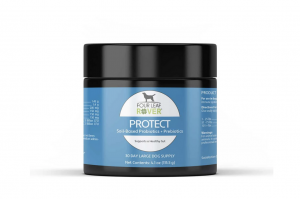
All probiotics are better protected by storage in the refrigerator

Check out the reviews about Protect Probiotic on their website here (scroll down towards the bottom)


Alternative Ways To Maintain Dental Health

In our last blog post, we discussed the benefits and risks of many of our favorite chews. Chewing/gnawing is how our dogs and cats have evolved to keep their teeth clean. However, some of our animals (some seniors, some with a history of extractions, etc) aren’t able to chew and gnaw as easily as others. This post is a discussion of other ways to provide oral care.
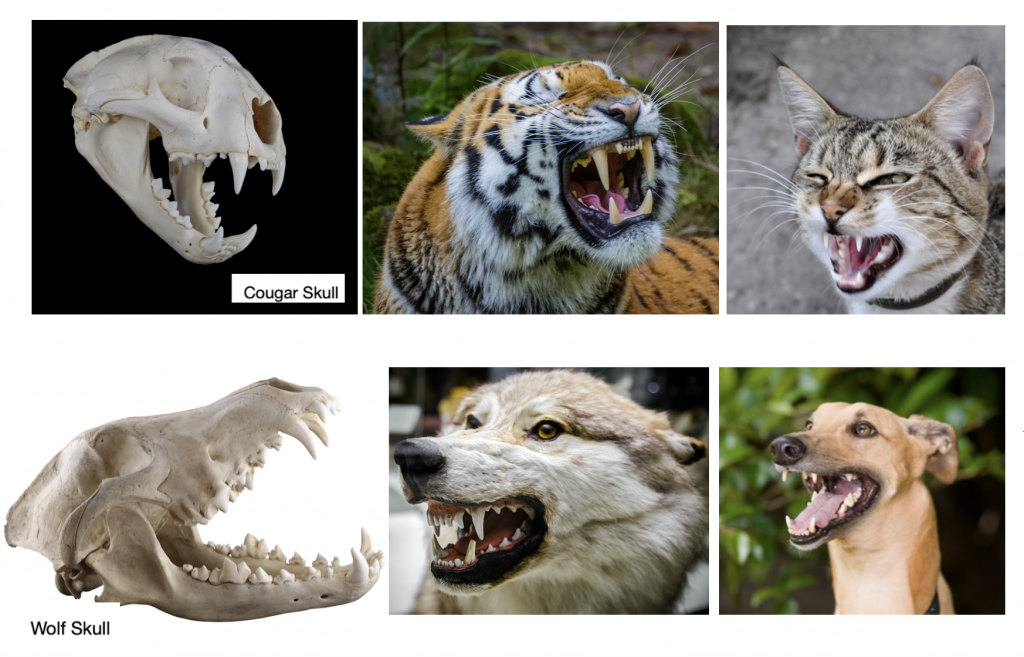
Check out the similarity of the tiger and the house cat teeth, and between the Wolf skull and the dog’s teeth below it. You can always tell what any animal is designed by evolution to eat by studying the shape and size of their teeth. Compare the tiger and house cat photos, and compare the wolf skull and dog teeth below:

All images licensed from Adobe


We want to begin by reminding you that unfortunately, eating a kibble diet does not count as “chewing”.

A carnivore’s teeth are designed to tear and shear meat. Their jaws are designed to move the jaw up and down, but not side to side for chewing or grinding. The shape of our little carnivores’ teeth have not changed one bit in their evolution from their wild ancestors. Our dogs and cats, like coyotes, wolves, tigers and leopards (and even saber-toothed tigers), have specialized carnivorous molars called carnassial teeth designed to shear flesh and bone like scissors. At best they crack and swallow kibble diets, but the outer surfaces of those molars and the surfaces of the teeth along the gum line aren’t being scraped by the crunchy kibbles. The way they have evolved to clean their teeth is to chew through meat and bone and connective tissue with these back molars, which stimulates the gum line and scrubs those back teeth of the biofilm that can accumulate and turn to plaque.

Another problem with kibble that contributes to dental trouble is its high starchy carbohydrate content. Just like with humans, these simple carbohydrates can linger in their mouths and then break down into simple sugars. Bacteria feeds on these sugars and produces acid, which causes tooth decay. No one would argue that humans could clean their teeth simply by eating a lot of crunchy pretzels, but many do argue that dogs and cats should eat dry food to clean their teeth.

The best diet for overall health and dental health is a whole food diet with meat, organs and a few veggies (more for dogs than cats), and skipping the starchy carbs completely. See below in the cheese section for some of the benefits. This kind of diet doesn’t need to be an “all or nothing” proposition – even one 1oz nugget per day, or one on each meal can make an impact on their general health! The brands we carry are very safe to feed, and are often cheaper than feeding canned food! (More info on feeding raw here)

Here are some additional products, tricks and tips that will help all animals to keep their teeth and gums healthy:

BRUSHING TEETH!

No doubt, we know the most important thing humans can do to keep our teeth and gums healthy is brush, and the same can be said for our pets. I can hear you moaning from here…. I know that this isn’t necessarily the easiest thing to do with some animals, but it’s worth working on!

For those of you with puppies and kittens, now is the easiest time to desensitize them to this sort of activity. A puppy’s mouth is changing rapidly, and vigorous brushing is not recommended when they have their baby teeth, but getting them used to you looking into their mouths and inspecting their teeth and gums is incredibly important, especially later in life. What if your dog has chewed a stick and you can’t check if a splinter of wood is lodged in the gum? What if your cat isn’t eating well and you’re accusing her of being picky, when actually she’s in pain from inflamed gums? If your senior dog was developing a tumor in her mouth, would you be able to catch it early? Being able to check the color of the gum tissue can also really help to assess an animal’s hydration and alert you to medical problems – the gums can change color, becoming pale from anemia or yellow from liver issues, red from heat stroke or blue from lack of oxygen. They can also be a good indicator of shock: when you press on the gum tissue and the circulation returns to that spot within a second or two, all is well.

Any animal might learn to accept more inspections of the mouth and eventually allow brushing, but the key is not to just jump right in there and start scrubbing the first day.
Start by gently lifting the lip/jowl to take a peek and immediately reward with a tasty treat (perhaps a lick of an enzymatic toothpaste from your finger could be a good reward if they love the flavor. Never use human toothpastes, which are not meant to be swallowed). 
The next step might be to rub a bit of that toothpaste along their gumline with your finger. The yummy toothpaste left behind can be a good immediate reinforcer for this step of the process. When desensitizing any animal to new handling routines, respect any small signs that the process is stressful, like seeing the whites of their eyes, tucking their tail, or trying to get away. You want them to enjoy the process, so go backwards to a version of the activity that didn’t make them uncomfortable and just stick with that for a while, rewarding every time. Build up more slowly to your goal, and only make it a little harder when they’re happy with the activity. Even if you can only get as far as being able to regularly look at the teeth and gums, consider it a win!

You could progress from using your finger to rub their gumline to using a piece of gauze with toothpaste on it (dog toothpaste only- never toothpastes for humans), to perhaps a finger brush for bigger animals. If they’re leery of the toothbrush coming at them, you can choke up on it at first so your index finger is on the back of the brush where the bristles are, to hide the look of coming at them with a big tool. 


When brushing it’s not important to focus on the front teeth or to brush the insides of the teeth – your main goal is maintaining the outer surfaces of the back teeth and gums.

A few tips: You can brush facing them head on, or you might be more successful being right behind them, lifting their chin and brushing downward towards their back teeth. For cats and very small dogs you might check out the drug store for a product called Wisp, which is supposed to be a tiny quick travel toothbrush for people, but MAKE SURE to remove the little hard blue bead of toothpaste that it comes with.

If you’re brushing your teeth, perhaps call them into the bathroom with you and brush their teeth after you brush yours. This will help you remember to do it, and to give them a cue that it’s time for their yummy peanut butter or chicken toothpaste activity. If you forget to call them, they might hear you brushing and come running in for their turn. Even if you don’t get as far as brushing, if you can rub enzymatic toothpaste along their gums daily, you’re going to be doing something positive for their oral health.

Tips for brushing your cat’s teeth:

It can be done! If you have a kitten, we’d recommend following the steps for puppies outlined above. Take it slowly and do not force them into anything. Reward it well, and you might just be able to do more than you think. Check out this great post by Dr. Karen Becker, DVM on how to brush a cat’s teeth. Note: some cats who won’t allow brushing (like our Otis) might very well be willing to just bite down on the bristles of a toothbrush with kitty toothpaste pushed into the bristles. We would let Otis chew on the brush facing up, and then facing down. (Note: Dr Becker is no longer associated with Dr Mercola.)

It’s worth working on. Tooth and gum problems are expensive! Tooth brushing is just about free…

 
Other Products to Help You:

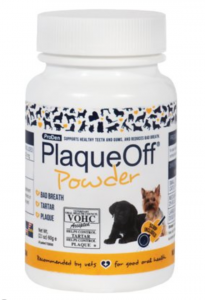
PLAQUE OFF!

Photo from Proden Plaque Off

What a tremendous help this supplement is!! We’ve carried it for nearly the entire 18+ years we’ve been open, and have seen amazing results. It’s a granular powder made from a certain kind of kelp, which according to clinical trials helps to break down the biofilm (the slimy buildup of bacteria that forms on the surfaces of teeth and hardens into plaque). It helps to prevent plaque buildup and breaks down the bond between the plaque and the tooth so it can more easily be removed with chewing action.
Within 2 weeks we see better breath, and within 6-8 weeks we see visible changes in the amount of plaque on the teeth. The dose is small, and it doesn’t taste like much (sort of like sushi wrapper) so it’s easy to hide.
A bit of impressive trivia: The makers of Plaque off for pets also makes a human version (it’s the exact same powder, in capsules). Customers had sometimes remarked to us that it had worked so well for their pets that they wished they could be on it too, so we brought the human version in. No one bought it (part of the fun of retail when you take chances on a new product) but Mike and I started taking it (later I just put the pet powder into empty capsules). We both had a cleaning before we started taking it, then 6 months later when we went back to our dentist, both of our numbers for gum health were better! Later, during a time I felt lazy about putting the powder into capsules, we were off it for a time, and both of us saw those numbers get worse. We stay on it now.
The only animals that should not take it are those with hyperthyroid disease (which unfortunately mostly occurs in cats). See the last blog post for suggestions for cat chews. The reason for this is that kelp naturally contains iodine, which can stimulate the thyroid gland. If the gland is already overactive in animals with hyperthyroid disease, you wouldn’t want to over stimulate it. Animals without hyperthyroid disease should be jut fine on it, as a little bit of kelp has its own nutritional benefits! The small jar is $23.99 and should last about a year for a cat or a small dog. We have another version aimed at cats that has brewers yeast included for greater palatability. This would also be fine for picky dogs to use. Bigger containers of the original formula are available as well. 


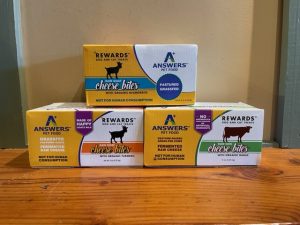
Photo By Green Dog Pet Supply

DELICIOUS AND NUTRITIOUS CULTURED RAW GOAT AND COW CHEESES ARE DENTAL SUPPLEMENTS!

These and the cow’s milk kefir cheeses are truly some of our favorite products, but they admittedly are a sleeper for us as they’re kept fairly out of sight in our freezers. First of all they’re delicious. When we’re sampling them out at the counter, I have trouble leaving any in the box for the dogs to try! They come in many organic flavors (goat = Cherry, Blueberry, Ginger, Turmeric, Cranberry. Cow = Cumin, Turmeric with black pepper, and garlic (my favorite). These are raw cheeses made with the milk from pastured, certified humanely raised, organically fed goats and cows, flavored with nutrient-rich flavors.“Cultured” means they are fermented like your yogurt might be. The benefits of the fermentation are vast (we should all be eating more fermented foods!) Fermented, raw foods are loaded with enzymes that can improve circulation, help speed tissue repair, and reduce pain, swelling, and inflammation —all helpful in healing gingivitis and gum disease. Answers products use fermentation to propagate probiotic bacteria. These good bacteria inhibit the growth of bad bacteria that cause oral disease (and also those bad bacteria that might cause safety problems!). By maintaining a healthy oral microbiome, these fermented foods help the mouth’s natural disease-fighting systems stay fully functional. Also, when the probiotics reach the gut, they improve the function of the systemic immune system which further helps to maintain their health, both oral and overall.

Cheeses that have been shown to help in decreasing the acidity in plaque (for humans too! Google which cheeses are best for human dental health). Cheese can also increase saliva flow, therefore helping wash away acids, sugar and bacteria on the teeth. Calcium and phosphates in milk and other dairy products help put back minerals that teeth might have lost due to other foods. Casein and whey protein also help rebuild tooth enamel.
The fact that they’re made with raw milk is key: Pasteurization or heating milk destroys most of its nutritive value. Heating destroys beneficial bacteria in raw milk. It denatures the natural digestive enzymes (when people have a milk sensitivity, they take lactase, an enzyme that is naturally found in raw milks but is destroyed by the pasteurization process). Heat processing also destroys the chemical make-up of calcium and other important nutrients to render them less absorbable.
Raw milk is rich in Vitamin K2, which assures proper placement of calcium. All these factors work together synergistically to keep the teeth and jaw bones strong and healthy. (Answers fermented bone broths also contain glycosaminoglycans (GAGs), which help repair compromised gum tissue and strengthen the ligaments that hold each tooth in place).

When pets bite into the cheese treats with their back teeth, they’re putting those amazing enzymes and probiotics (good bacteria) right where it needs to be to fight that bad bacteria.
Check out this silly video we made about goat cheese.

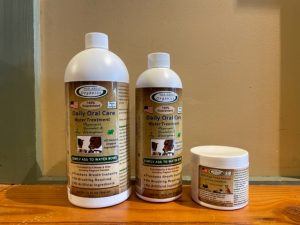
MAD ABOUT ORGANICS ORAL CARE PRODUCTS!

Photo by Green Dog Pet Supply

Mad About Organics is an Oregon company dedicated to making a variety of pet care products made with safe natural ingredients. These oral care products include a liquid water additive that helps keep pets’ mouths clean and fresh (16oz/32oz), and a powdered form (4oz) which can be added on a daily basis to dry or wet food. The powder also has added immune support, and has been proven to reduce plaque and tartar on the teeth and gums (depending on diet and how long the plaque has been there), showing results in 2-8 weeks. It contains kelp and like the Plaque Off, shouldn’t be used for animals with hyperthyroid disease. We’ve also heard stories from M.A.O. and from our customers that the powder really helps to repel fleas as well! Both the liquid and powdered form are safe for both cats and dogs. Start small and increase to proper dose to acclimate them to the flavors (especially cats). You don’t want them to refuse their water if they feel like it tastes funny.  🙂

Photo By C. Miltenberger


For years, store dog Sophia has eaten Answers brand fermented raw foods, raw fermented milks and regularly chews raw bones and bully sticks. As a result she has strong, sparkly white teeth!

Try to build oral care into your daily routine. For your pets that can chew, give them a little something to chew, even if it’s just a quick Whimzees stick for dogs, or a freeze dried chicken heart for cats or small dogs.

When Vets Tell You To Switch from Grain Free Kibble to Grains

You may have heard something online or from your vet about the issue of dogs eating grain free foods sometimes showing low levels of taurine in their bloodwork. Since then, we’ve had a number of customers that come saying their vet told them to switch to a food containing grains. One local vet in our area just sent out an email about Heart Disease and grain free foods, and also advocating for the use of  “Meat By-Products” in pet foods, and we’d like to address both of these topics to help you learn more and make educated decisions.
Grain Free vs. Grain Friendly Diets:

The truth is, all processed dry pet food diets are compromised nutritionally due to high-heat, high-pressure extrusion and the need for starchy carbs to bind them and make those little crunchy nuggets. Critical amino acids like taurine that are found in muscle meats and organs are fragile and very heat sensitive, and so become damaged by processing. It’s true that another variable that might exacerbate these diet related heart problems could very well be the overuse of legumes in dog foods. Some brands use a lot of them because they contain plant proteins that are less expensive than meat proteins, but plant proteins don’t contain those vital amino acids. Large quantities of peas may very well be blocking absorption of those important amino acids found in meat that do vital jobs in your dog’s body like support his heart function.
Please read more in this important article – we’ve tried hard to distill the facts and offer suggestions for how to avoid trouble.

One thing that frustrates us is that many traditional vets work closely with brands like Purina and Hills, who are companies eager to use this opportunity to switch nervous consumers back to their formulas that contain corn, wheat, and soy. Some of these well-intentioned vets are simply advising customers to switch to any food containing grains. Please note that foods made with grains also are using plant proteins to save the company money by taking the place of more species appropriate proteins from meat, and these plant proteins also do not contain those valuable amino acids like taurine, just like in grain free foods.

Both corn and wheat are high carb and high glycemic ingredients and can also cause food sensitivities/allergic reactions in dogs. We often see dogs with new troubles come to us after having been on a diet like this, and we are able to reverse these new issues when we remove the foods that contain corn, wheat, and soy and switch to kibbles that have higher quality sources of meat proteins.

More importantly, ingredients such as corn, wheat and soy are likely to contain contaminates that don’t cook out.
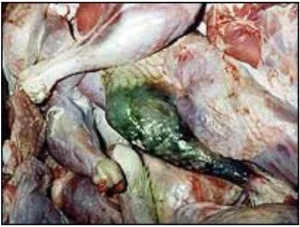
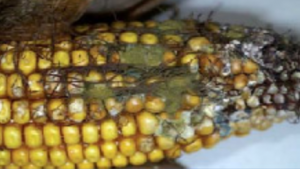
GMO crops are sprayed with large quantities of RoundUp (glyphosate), and corn is especially problematic as it almost certainly contains dangerous aflatoxins. These are dangerous grain molds, toxic to humans and animals, even in very small amounts. Our most recent stats  from 2017  show that 88% of all corn tested nationally was contaminated with aflatoxins, and in some previous years (2012) it has been 100%. A testing agency stated:”With more than ten-years of experience monitoring the occurrence of mycotoxins in livestock feeds, BIOMIN has shown that co-occurrence of mycotoxins (the presence of more than one mycotoxin) is the rule and not the exception” The FDA allows mycotoxins to be at 20 ppb (parts per billion) in pet foods, however science shows that even small amounts of mycotoxins can be dangerous to pets. From the International Journal of Food Microbiology, Drs. Herman J. Boermans and Maxwell C.K. Leung published the report “Mycotoxins and the pet food industry: Toxicological evidence and risk assessment” in 2007. One of the biggest issues of concern discussed is that existing studies of mycotoxin contamination in pet food overlook the day to day consumption of small amounts of mycotoxins; resulting in “chronic diseases such as liver and kidney fibrosis, infections resulting from immunosuppression and cancer.” In 2005 a Diamond Foods aflatoxin recall resulted in 100 dog deaths.

Dr Karen Becker DVM says this about soy:

  • “Most soy grown in the U.S is genetically modified, so in addition to potentially toxic levels of glyphosate, the plants also contain naturally high levels of anti-nutrients and phytoestrogens
  • Raw, mature soybeans contain phytates that prevent mineral absorption and substances that block the enzymes needed to digest protein
  • In dogs and cats, soy has been linked to gas and bloat, bladder stones, blood sugar fluctuations, thyroid damage, and seizures
  • All in all, the potential risks associated with feeding soy to furry family members are unacceptably high”

We don’t have a problem with some grains in foods, and we carry a few lines that have ingredients like oats and barley and rice. All of the kibbles we carry generally have a high percentage of their protein content derived from muscle meats and organs and not plant proteins (even the ones that use some peas). However, you don’t have to run to a food containing grains. The amino acids in all extruded kibbles suffer damage from heat processing. If you shop with us, ask us what percentage of your food’s guaranteed analysis of protein is derived from meat proteins (as opposed to plant proteins). If not, you can
1)call the company and ask this question. If they won’t tell you, perhaps switch brands.
2) Look for a baked kibble (as opposed to extruded) as more of the amino acids survive baking intact. Stella and Chewy’s is one baked kibble we carry.
3) No matter what, consider adding some fresh taurine rich foods to your pet’s dry food. It’s easy, can be inexpensive, and your pet will love it! See here for suggestions

Re: Meat By-Products:
One thing they said that we do take issue with is the statement that “Meat By-products” get a bad rap and are actually just contain good organ meats. Organ meats are desirable ingredients, and are far more expensive than “Meat By-products”. Good organ meats would be listed on the label as their own named ingredient, ie: “beef liver” or “beef hearts”, etc. and would be USDA inspected and passed for human consumption.  When you look closely at FDA laws concerning pet food ingredients, “Meat By-products” are defined as rendered product that is legally allowed to be a mix of any species of animal, including animals that “died otherwise than by slaughter”. These include animals that died from disease, euthanized animals, condemned/spoiled meats, and roadkill. Rendering facilities are waste management facilities, with separate standards for handling and storing ingredients meant to be rendered. FDA states clearly that these ingredients listed above are acceptable in pet foods. When looking at your ingredient list, it’s important that you see the species of animal mentioned with the proteins and the fat. ie: avoid “Animal Fat” and choose “Chicken Fat”.
We love human quality organ meats for pets, and strongly advocate for their use to help supplement naturally occurring amino acids like taurine, cystein and methionine that support heart function, but we avoid By-products in pet foods, as even named ingredients such as “Chicken By-products” are not handled with the same safety or quality standards as USDA inspected and passed meats and organs.

UPDATE:

Study Finds No Link Between Grain-Free Diets and DCM in Dogs
Read More Here

Attention Kibble Feeders: New Health Problem Reported

Note: This was the article we posted when the first news of the alleged link between grain free foods and heart disease. It has since been proven that there is no link between grain free foods and cardiomyopathy. That being said, we still feel this article has valuable and important information about processed foods such as kibble, and how they are in fact still compromised nutritionally when it comes to the fragile amino acids that dogs and cats rely on for a healthy body. Educate yourself about how some companies “cheat” when it comes to proteins, and easy and inexpensive ways to amend your pet’s diet to ensure they’re getting these amino acids and other nutrients that will support their health and longevity. Read On!

(Part 4 of our Toppers Are Important Series)

So there’s a lot of information bouncing around the internet recently about grain-free foods contributing to heart disease in dogs. Like most things on the internet, much of this information is good, yet some downright irritating with its bad advice and misinterpretation of the facts. I thought I’d chime in and try to distill it for anyone that it’s interested. Truthfully, all kibble feeders should be interested. Please remember, I’m not bashing kibble per se, but those that feed it should be aware of its shortfalls. The good news is that its very easy and not expensive to provide excellent protection against these shortfalls when feeding a dry kibble diet!

So here’s the thing with this recent issue:
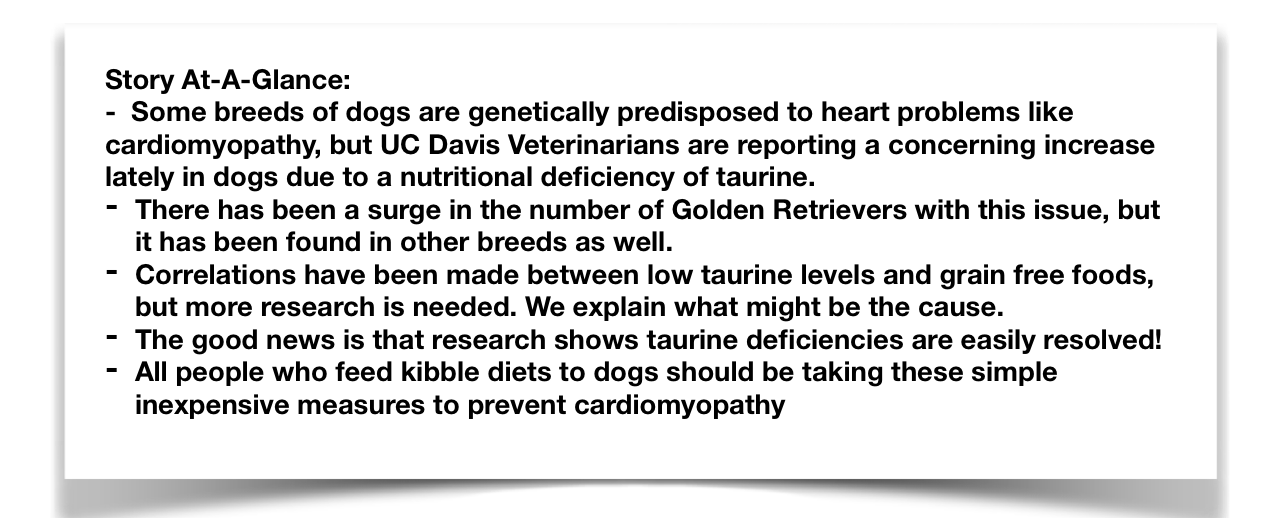
U.C. Davis reported an increase in heart disease (specifically dilated cardiomyopathy or DCM) in dogs eating grain free kibble, and when tested, they have low taurine levels.
Some breeds of dogs (like boxers, dobermans, cavaliers, etc) have genetic predispositions to cardiomyopathy (a serious weakening of the heart muscle making it harder to pump blood through the body), but there’s a recent increase in cardiomyopathy in other breeds as well, linked to Taurine deficiency. Golden Retrievers may be especially vulnerable to this. The amazing news is that recent research is showing that when you improve their taurine levels through nutrition, they rapidly and significantly improve their heart function (even with other heart problems like murmurs and arrhythmias) Yay! 
Here’s what we do know: This definitely points to a nutritional problem with their diets.

Remember as you read other articles: Some dogs showing low taurine levels were eating food with grains. Some dogs with DCM didn’t have low taurine levels. There hasn’t been a formal study yet, this is still just an FDA investigation into reports of a handful of dogs that aren’t considered genetically predisposed to DCM presenting with the disease. More here
The good thing about this event is that FDA and the vets that are collaborating with them are suggesting that there may be a strong correlation between diet and Taurine deficiency. We concur!

(more…)

Jiminy Crickets!

As our world’s population grows, our demand for resources becomes more difficult to sustain. This especially goes for meat production, which requires significant land use, incredible amounts of water and food needed to raise the animals, creates conflict with wildlife concerns, and is responsible for so much pollution, especially surrounding large-scale Confined Animal Feeding Operations. Better known as Factory Farming, these CAFOs also force animals to live in inhumane conditions by anyone’s standards, and are also responsible for contributing to problems with antibiotic resistance for us humans.

 

Consider cutting back or eliminating meat in your own diet as “Carbon Credits for Owning Carnivores”.
We love the carnivores we’ve chosen as our cherished furry family members, and they need large quantities of high quality animal proteins to thrive, so what to do? One part of the solution, of course, is for all of us to eat less meat, and to choose to only eat meat raised in humane conditions by farms that use sustainable farming and ranching practices (especially those you might find at your local Farmer’s Market or Food Coop).


Another interesting part of this solution may be found in insect protein!
Before you saw EEEWWWWW! and close this page, realize that many insects such as crickets, termites and mealworms are already a staple protein in as many 80% of other countries.  (Don’t forget: Lobsters and Shrimp are some of our most cherished delicacies, but  it wasn’t until the 1880s that people thought of lobsters as anything but ugly cockroaches of the sea, good only for fertilizer and prison food.  In fact, both crickets and lobsters are from the same family, arthropods.)

Crickets are making their way into the U.S. as novelty treats. Did you catch Salt and Straw’s Halloween ice cream flavors? One of them was “Creepy Crawly Critters”, which featured chocolate covered crickets and coconut toffee-brittle covered mealworms blended into a matcha ice cream.

Funny stuff, but from both a sustainability and nutritional standpoint, insects actually make big sense! Check this out – Crickets have:

(more…)